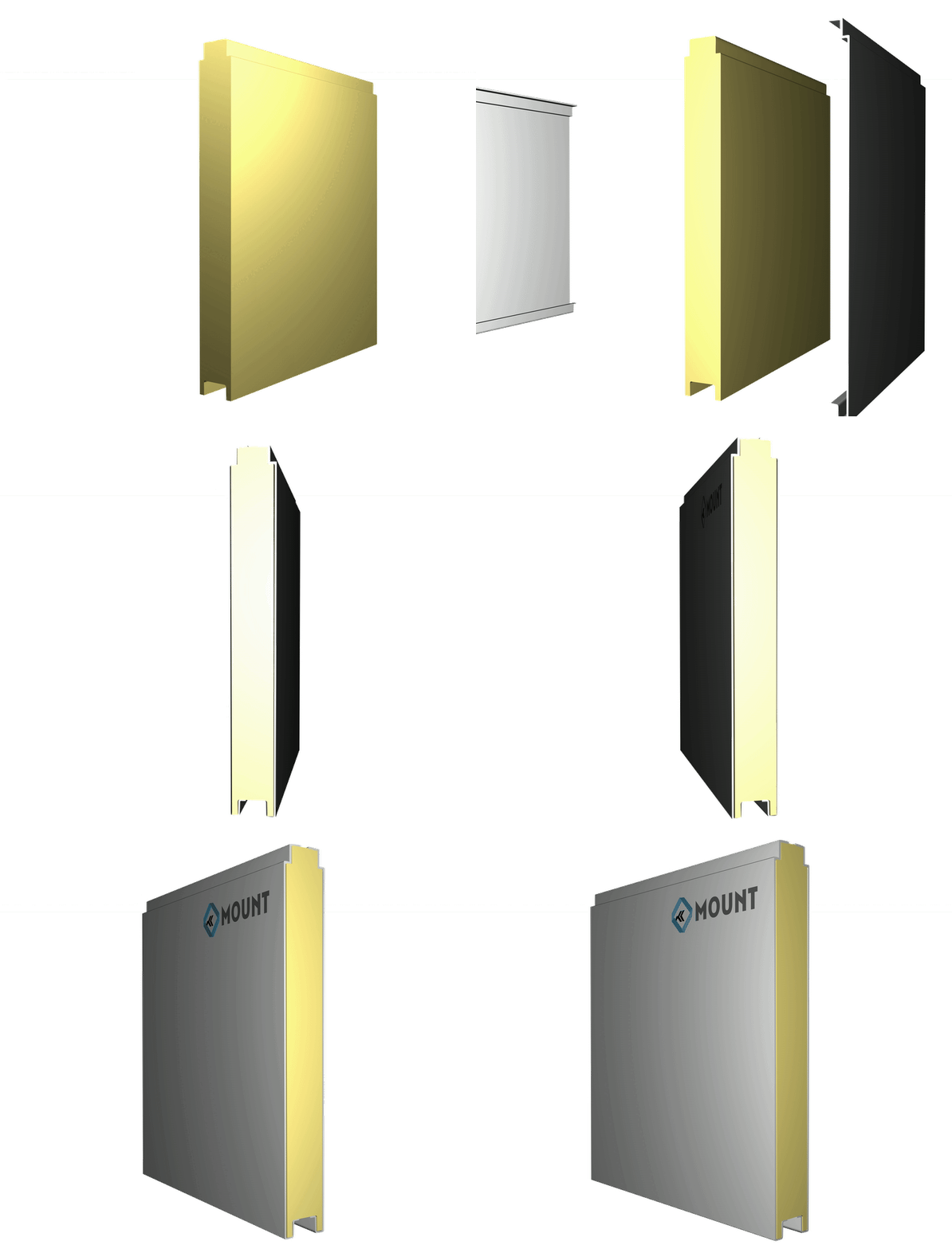
PUF Wall Panels
Sandwich wall panels are engineered insulated panels comprising a high-performance polyurethane foam (PUF) core bonded between metal facings. These panels provide stable thermal insulation and consistent performance across varying operating conditions.
Manufactured by Mount Roofing & Structures, the lightweight and rigid construction supports faster installation, reduced structural load, and efficient long-term building performance.
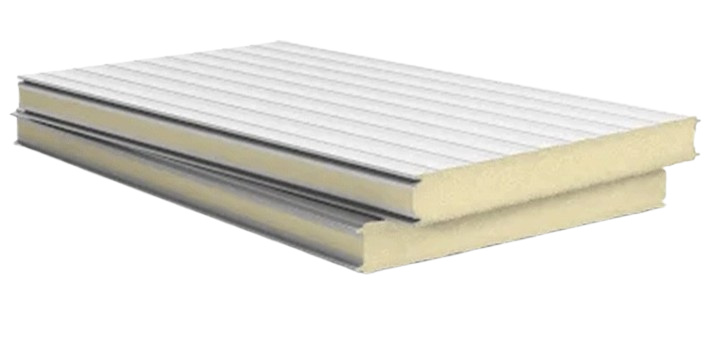
Colour-Coated Finishes
Sandwich wall panels are supplied with a standard colour-coated finish selected to meet functional zoning, architectural coordination, and environmental exposure requirements. The pre-coated metal facings are factory-finished to ensure uniform colour consistency, corrosion resistance, and long-term surface stability under industrial and coastal operating conditions.
Select Color:
Product Specifications
| Parameters | Specifications |
|---|---|
| Full Form | Polyurethane Foam |
| Core Material | Rigid Polyurethane Foam |
| Thermal Conductivity (k-value) | 0.022–0.024 W/m·K |
| Insulation Performance | Very Good |
| Fire Resistance | B2 / B3 (Flammable) |
| Smoke Generation | Higher |
| Density | 38–42 kg/m³ |
| Panel Thickness | 30–200 mm |
| Panel Width | 1000 mm |
| Panel Length | Up to 12–15 m (site dependent) |
| Top Sheet | PPGI / GI / Aluminium / SS |
| Bottom Sheet | PPGI / GI / Aluminium / Foil |
| Sheet Thickness | 0.35–0.60 mm |
| Wall Profile | Plain / Ribbed |
| Weight (50 mm) | 10–12 kg/m² |
| Service Temperature | -40°C to +80°C |
| Cost | Lower |
| Typical Applications | Factories, Warehouses, Sheds |
Profile drawing
CAD drawings are essential for precise planning and visualization. They help design the building, identify issues, and ensure everything fits together, reducing errors and saving time during construction.

Key Performance Attributes
Outlining Essential performance parameters influencing insulation, strength, and installation efficiency.

Low Thermal Transmittance
Reduced heat flow lowers HVAC demand and energy loss.

Structural Rigidity
High stiffness-to-weight ratio ensures dimensional stability.

Airtight Construction
Limits air leakage to maintain controlled internal conditions.

Rapid Installation
Factory-formed panels enable faster, precise on-site assembly.
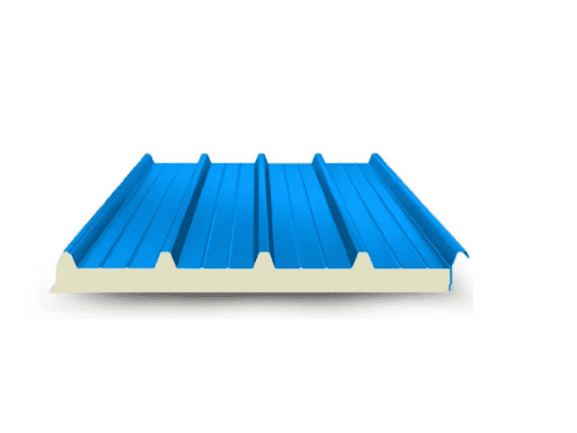
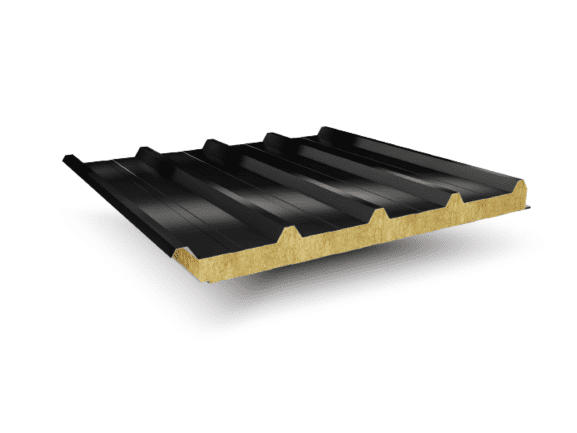
Available Joints
Mount’s panel joint configurations ensure precise alignment, secure interlocking, and effective load transfer, enhancing structural continuity, air and moisture tightness, and installation efficiency while maintaining long-term durability .

Roof Joint

Single Tongue & Groove Joint

Double Tongue & Groove Joint

Hidden Tongue & Groove

Camlock Joint

M Section
Advantages of the Wall Panels
Integrated Wall & Insulation System
PUF wall panels act as both the external cladding and thermal insulation layer, reducing the need for separate masonry, plastering, and insulation assemblies.
Faster Building Enclosure
Large-format factory-fabricated panels enable quicker vertical enclosure of industrial and commercial structures compared to conventional wall construction methods.
Reduced Foundation Load
Lightweight insulated wall systems impose lower loads on foundations than traditional brick or concrete walls, supporting more efficient structural planning.
Controlled Internal Finishes
Pre-finished metal surfaces reduce the need for additional surface treatments in many industrial and warehouse applications.
Modular Expansion Flexibility
Panelized wall systems allow easier future extensions or internal layout modifications in steel building structures.
Applications
Wide-ranging applications for modern wall panels
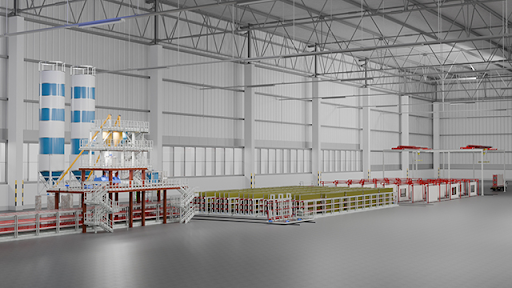
Warehouses & Logistics Centres
Improves thermal performance of perimeter wall assemblies.
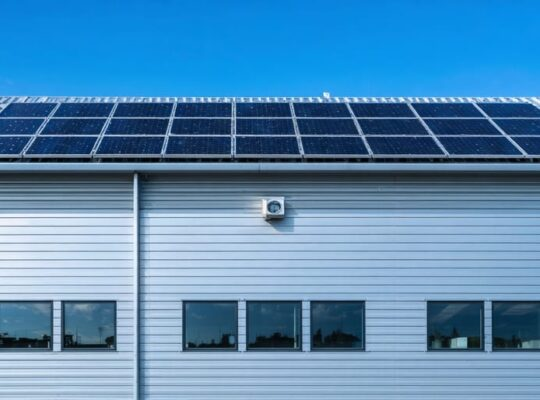
Solar-Integrated Industrial Roofs
Works as a matching insulated wall system with solar-ready roof assemblies.
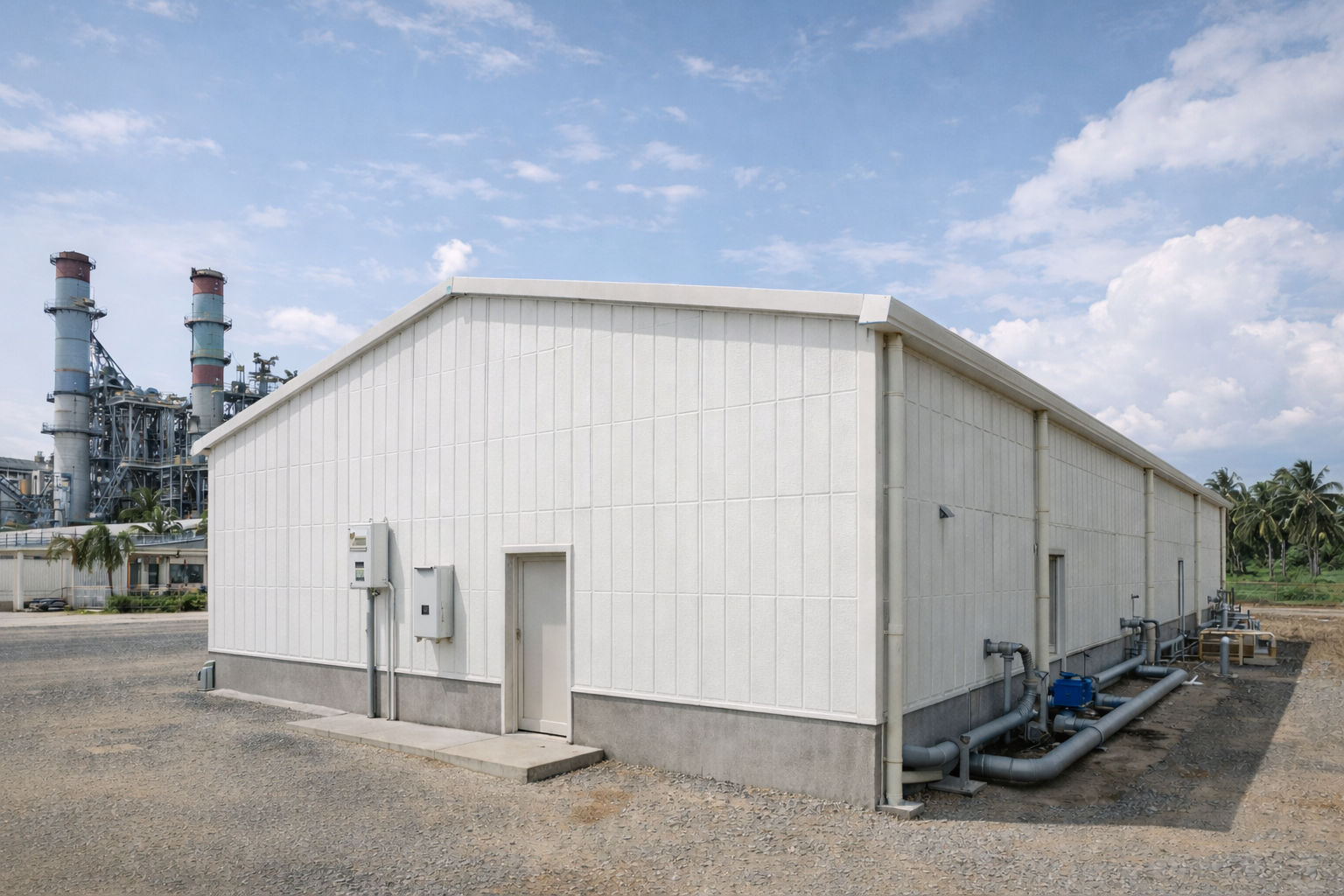
Power Plants
Used in insulated wall enclosures of utility buildings.
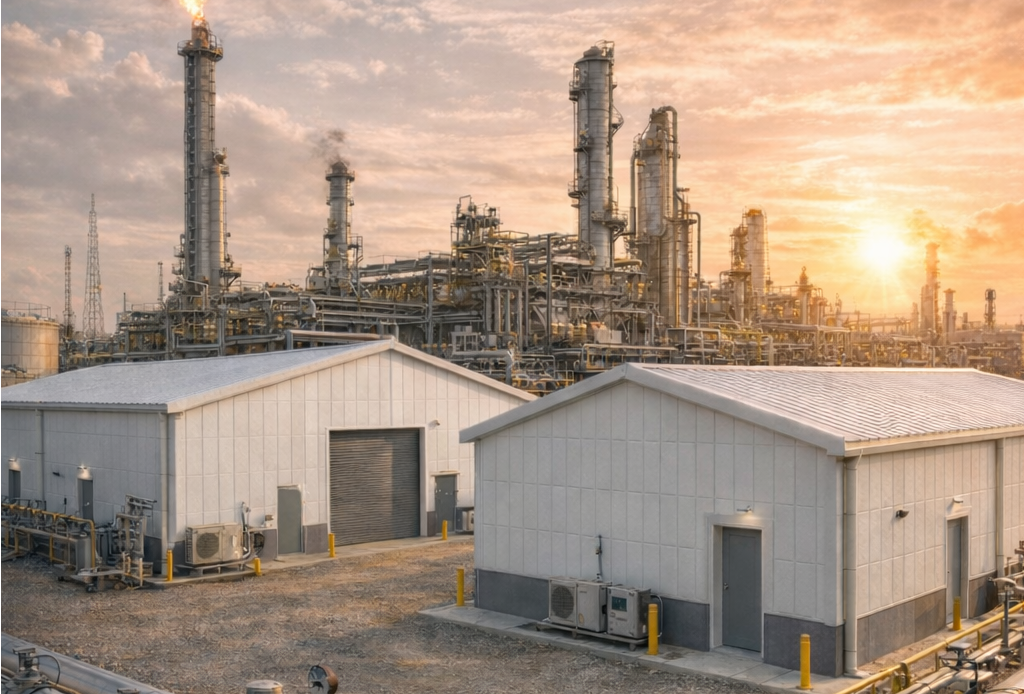
Oil & Gas Facilities
Suitable for thermally insulated wall systems in industrial support buildings.
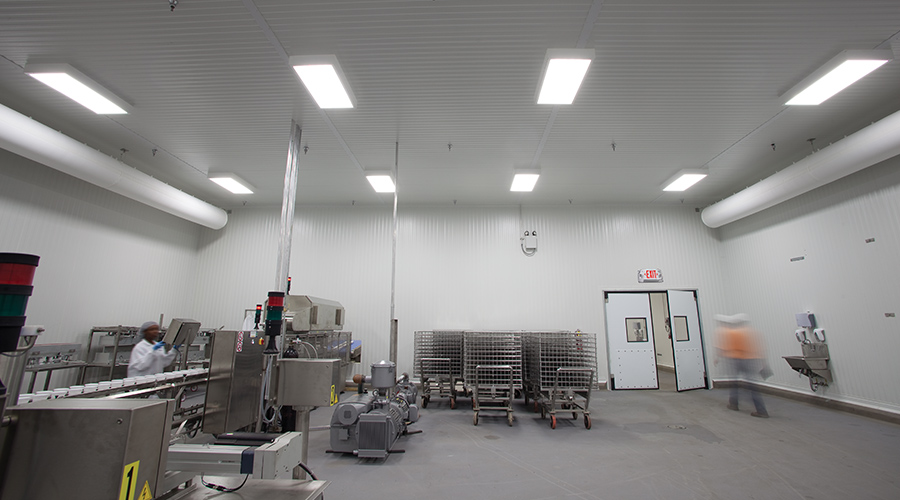
Food Processing & Packaging Zones
Smooth-faced panels support hygienic wall systems.
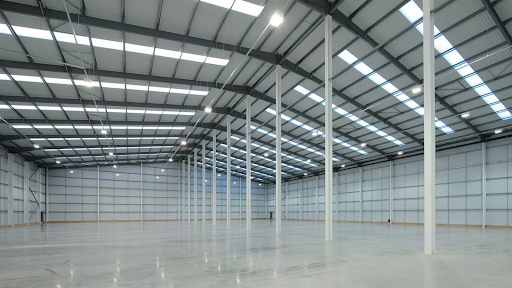
PEB Structures
Integrates directly with steel columns as insulated cladding.

Automobile & Engineering Workshops
Offers durable insulated walling suitable for industrial operations.
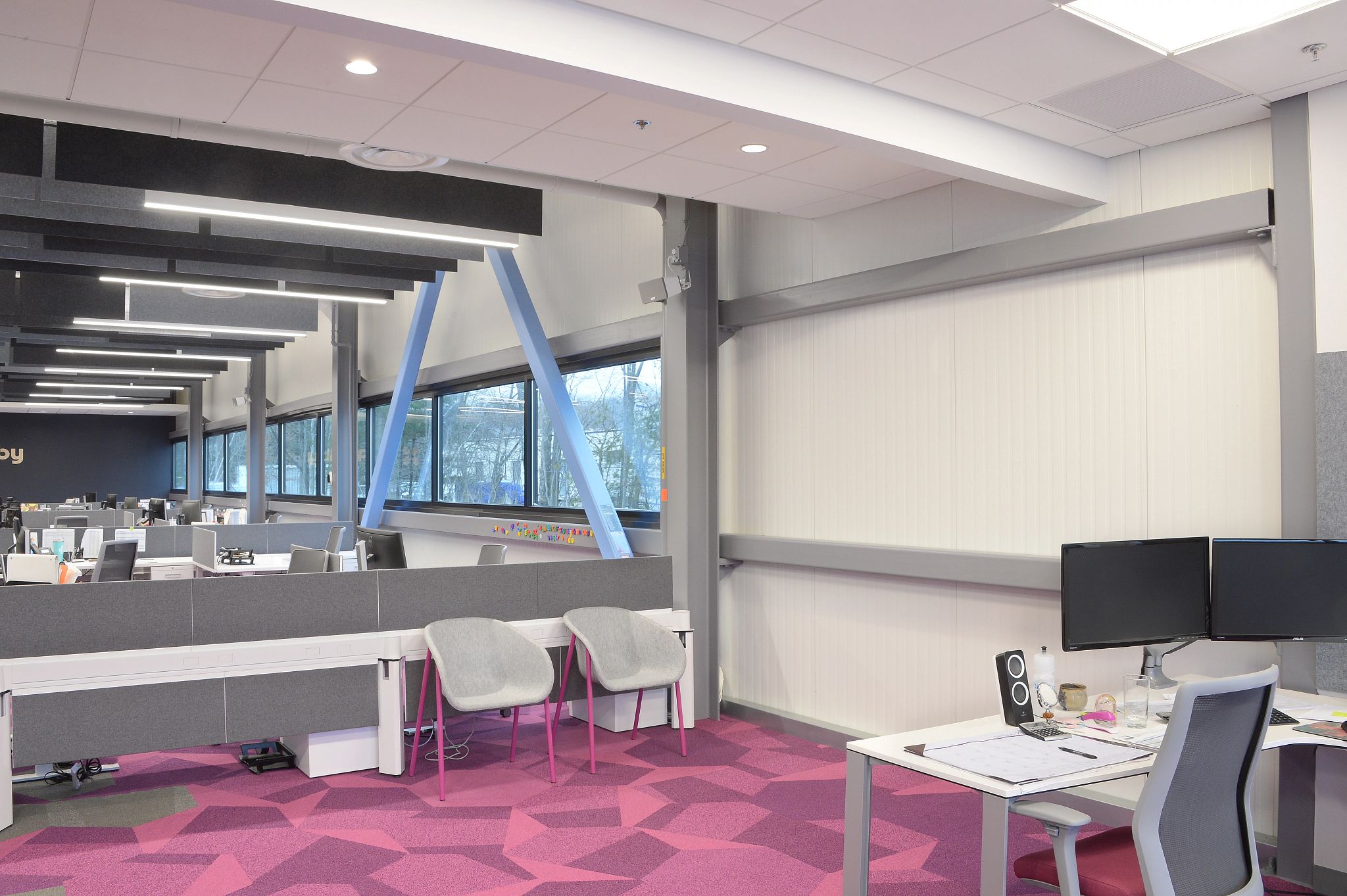
Corporate & Facility Offices
Ensures energy-efficient enclosure for professional workspaces.
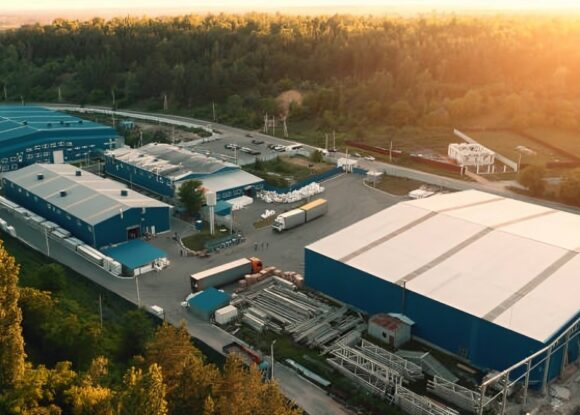
Industrial Manufacturing Units
Provides insulated vertical enclosure systems for factory walls.
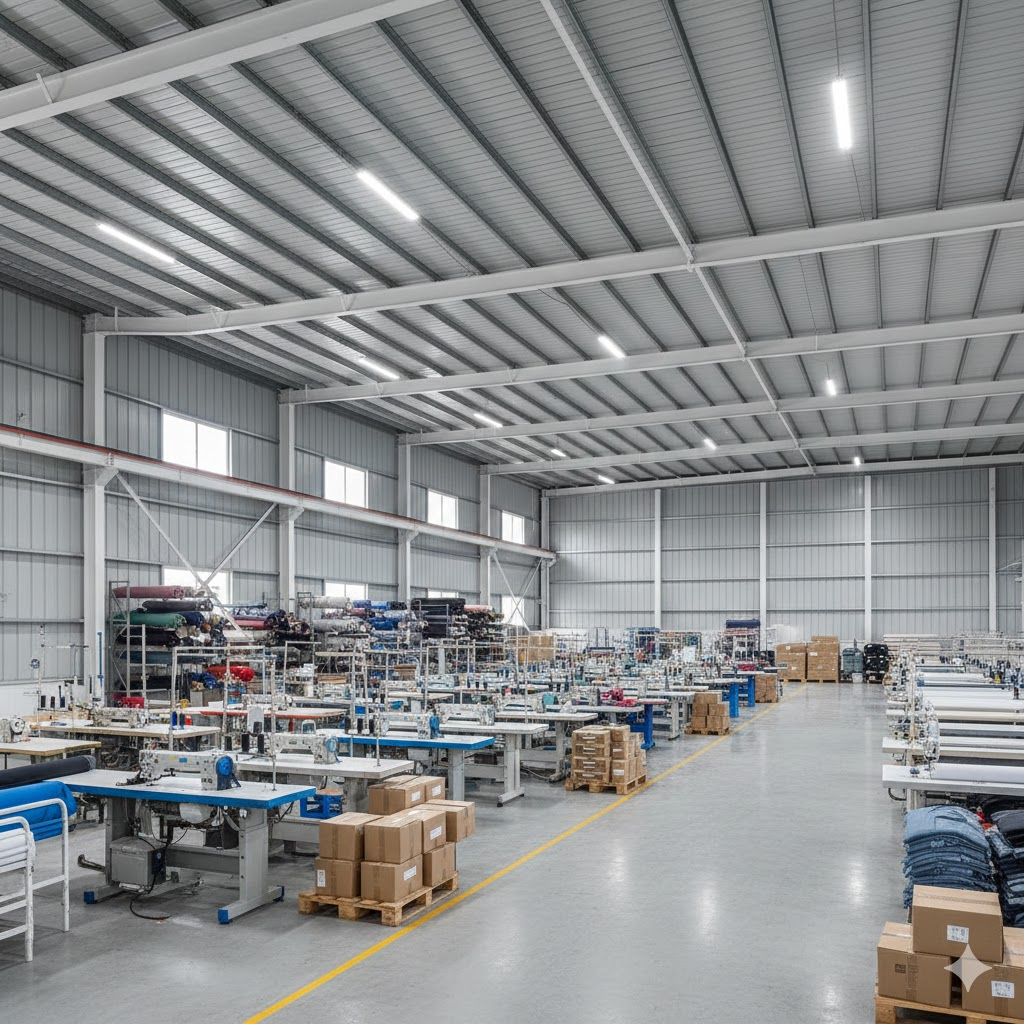
Textile & Garment Manufacturing
Supports stable indoor conditions through insulated wall systems.
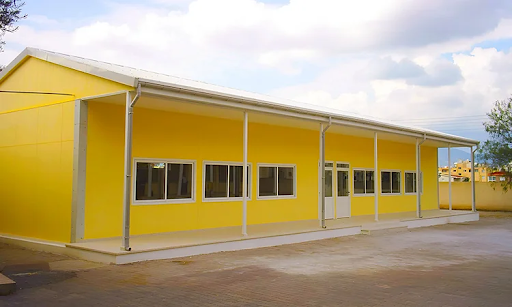
Institutional & Educational Buildings
Provides lightweight insulated walling for large facilities.
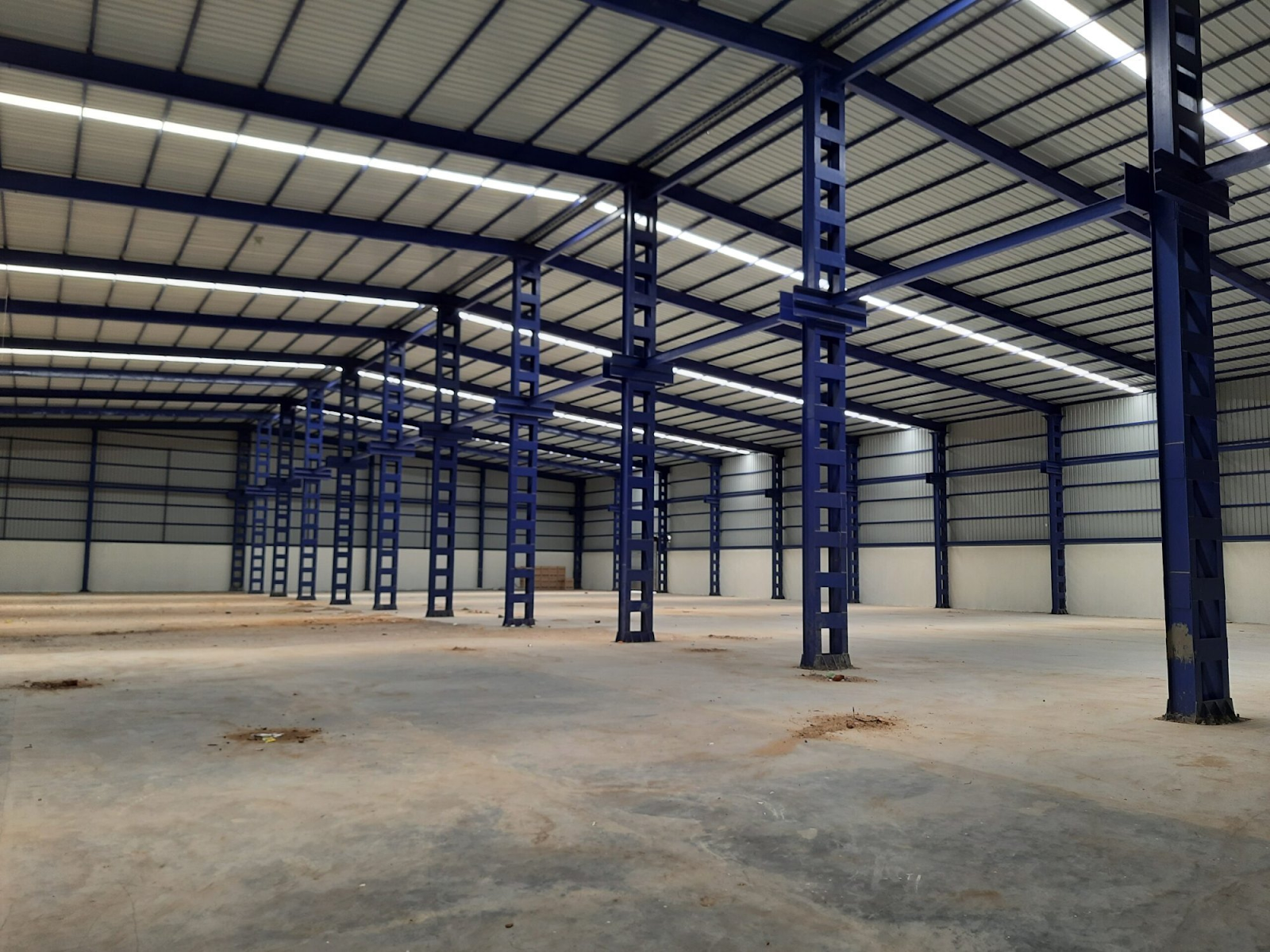
Commercial Sheds & Retail Warehousing
Economical insulated walling for commercial enclosures.
Frequently asked Question
PUF wall panels are prefabricated building envelope systems made using a rigid polyurethane foam (PUF) core bonded between two profiled metal sheets. These panels are specifically engineered to provide superior thermal insulation, structural strength, and quick installation for industrial, commercial, and controlled-environment buildings such as cold storages, cleanrooms, factories etc.
Sandwich PUF wall panels offer lower heat transfer, faster installation, and reduced structural load compared to brick or block walls, making them more efficient for industrial and controlled environments.
Thermal performance is governed by core density, panel thickness, joint detailing, and installation quality, with system design playing a critical role alongside material selection.
Yes. Properly specified panels maintain stable internal conditions for cold storage, cleanrooms, data centres, and food processing units by limiting heat gain and air infiltration.
Panels are engineered to align with steel framing systems, allowing direct fixing, controlled tolerances, and rapid enclosure without secondary wall construction.
Joint design influences airtightness, thermal continuity, and condensation control, directly impacting long-term enclosure efficiency.
For industrial wall applications, sandwich panels are commonly specified in 40 mm, 50 mm, 60 mm, and 80 mm thicknesses. Selection depends on internal temperature requirements, climatic exposure, and energy performance targets, with higher thicknesses typically used for temperature-controlled or high-performance facilities.
Factory-manufactured panels reduce wet works, enable parallel construction activities, and significantly shorten on-site installation timelines.
When correctly specified and installed, sandwich wall panels deliver long-term dimensional stability and consistent insulation performance over the building lifecycle.
By lowering HVAC demand, reducing thermal losses, and minimizing maintenance compared to conventional wall systems, panels help achieve measurable energy savings.
Key considerations include thermal performance, joint integrity, fire behaviour, structural span capability, and integration with the overall building envelope system.