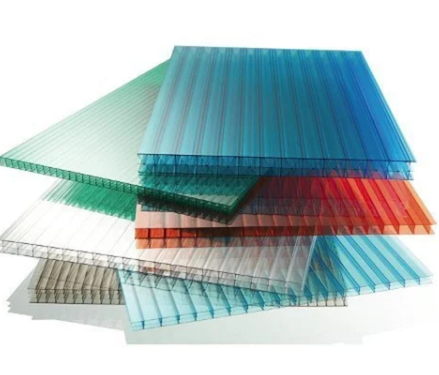
Multiwall Polycarbonate Sheet
Manufactured with multiple internal layers, multiwall polycarbonate sheets deliver superior strength, thermal insulation, and natural light diffusion, all in a lightweight, impact-resistant panel.Designed for long-term outdoor performance, they reduce heat transfer, support energy efficiency, and withstand UV exposure and harsh weather conditions. Ideal for roofing, skylights, greenhouses, and industrial cladding.
Key Performance Attributes

Lightweight
Significantly lighter than glass, reducing structural load.

High Structural Strength
Provides strong impact resistance with reliable load performance.

Protects Against UV Radiation
UV-stabilized surface resists yellowing and material degradation.

Balances Shade & Daylight
Allows natural light transmission while controlling glare and heat gain
Applications
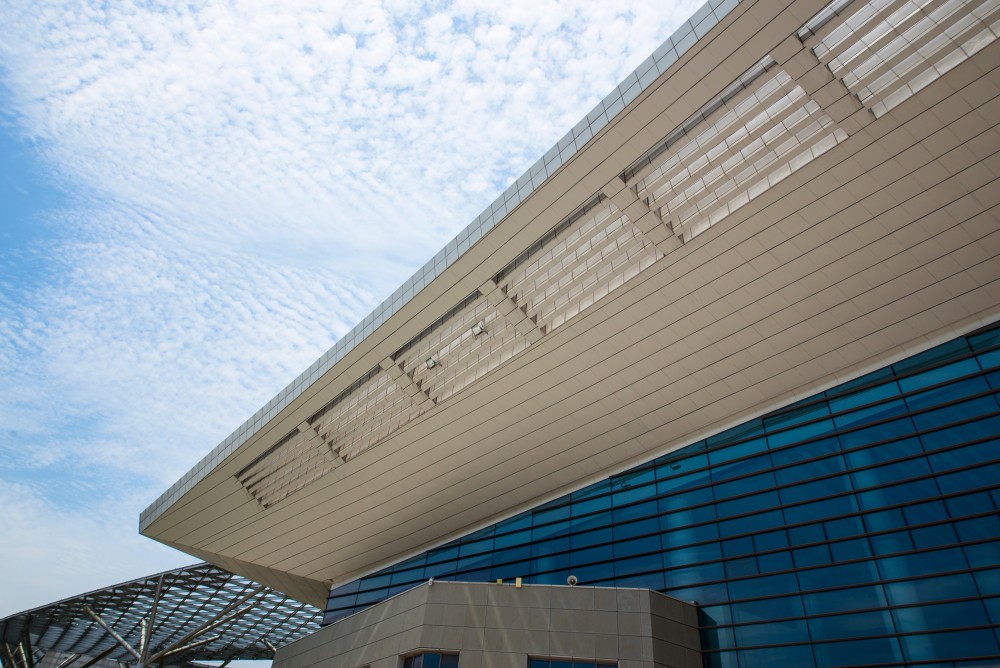
Roofing and Glazing
Provides lightweight, impact-resistant daylighting solutions as an alternative to glass in roofing and façade systems.
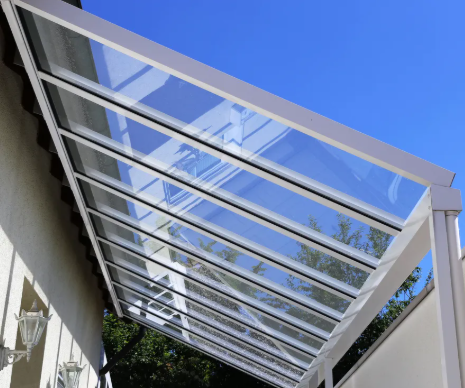
Construction and Architecture
Enables durable, transparent or translucent design elements with high impact strength and design flexibility.
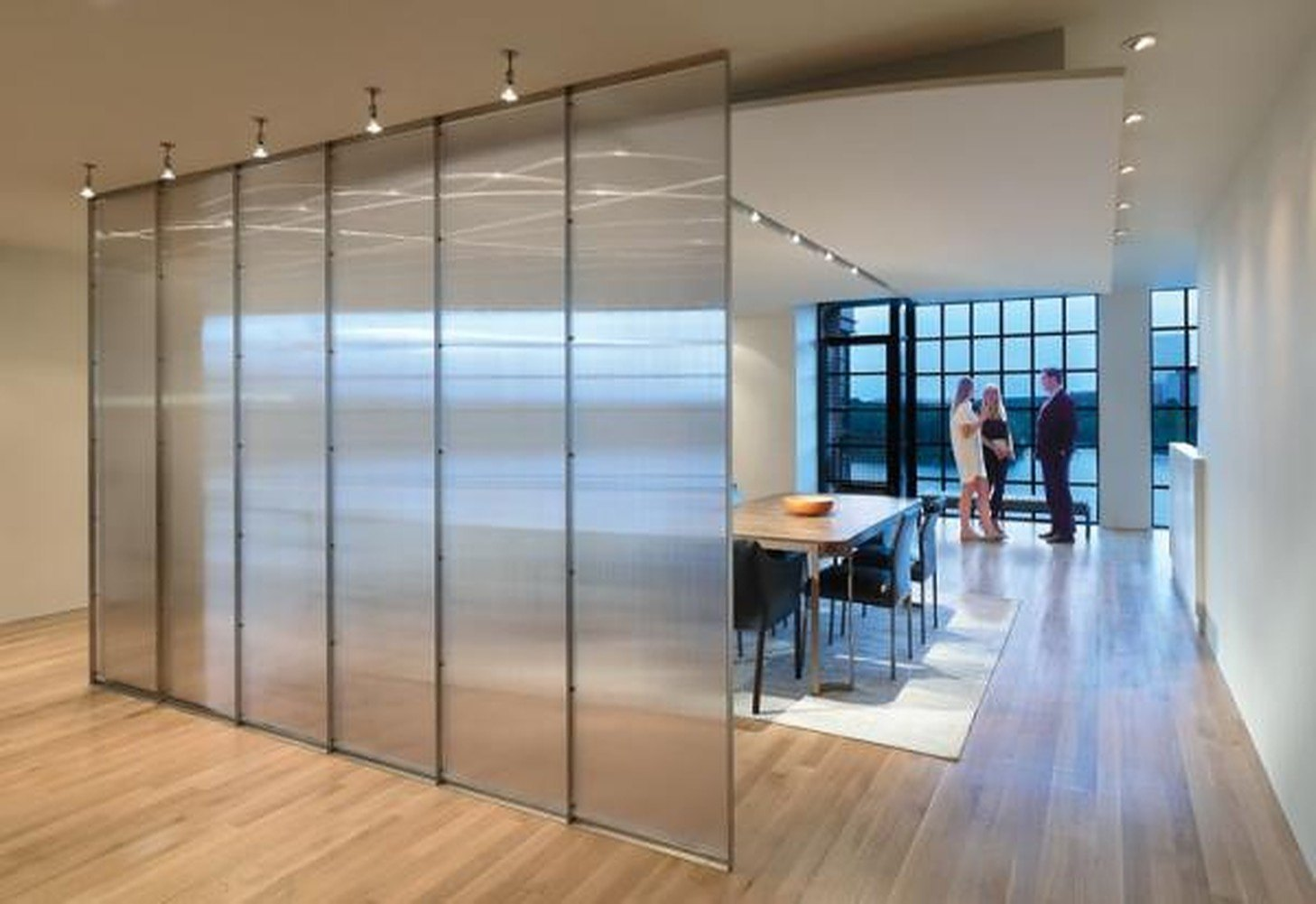
Office Partition / Interiors
Creates lightweight, light-transmitting partitions that enhance interior illumination while maintaining durability.
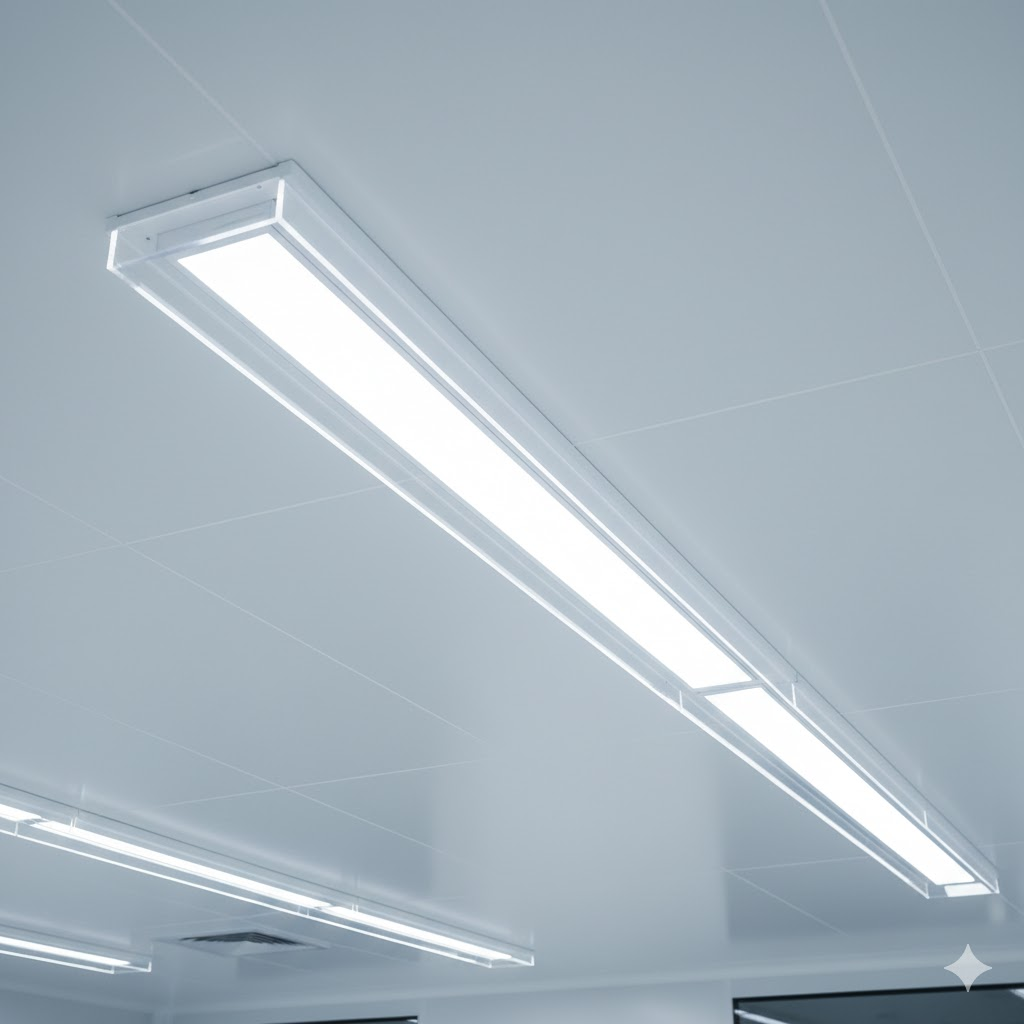
Lighting Fixtures
Offers high light transmission and impact resistance for protective diffusers and covers.
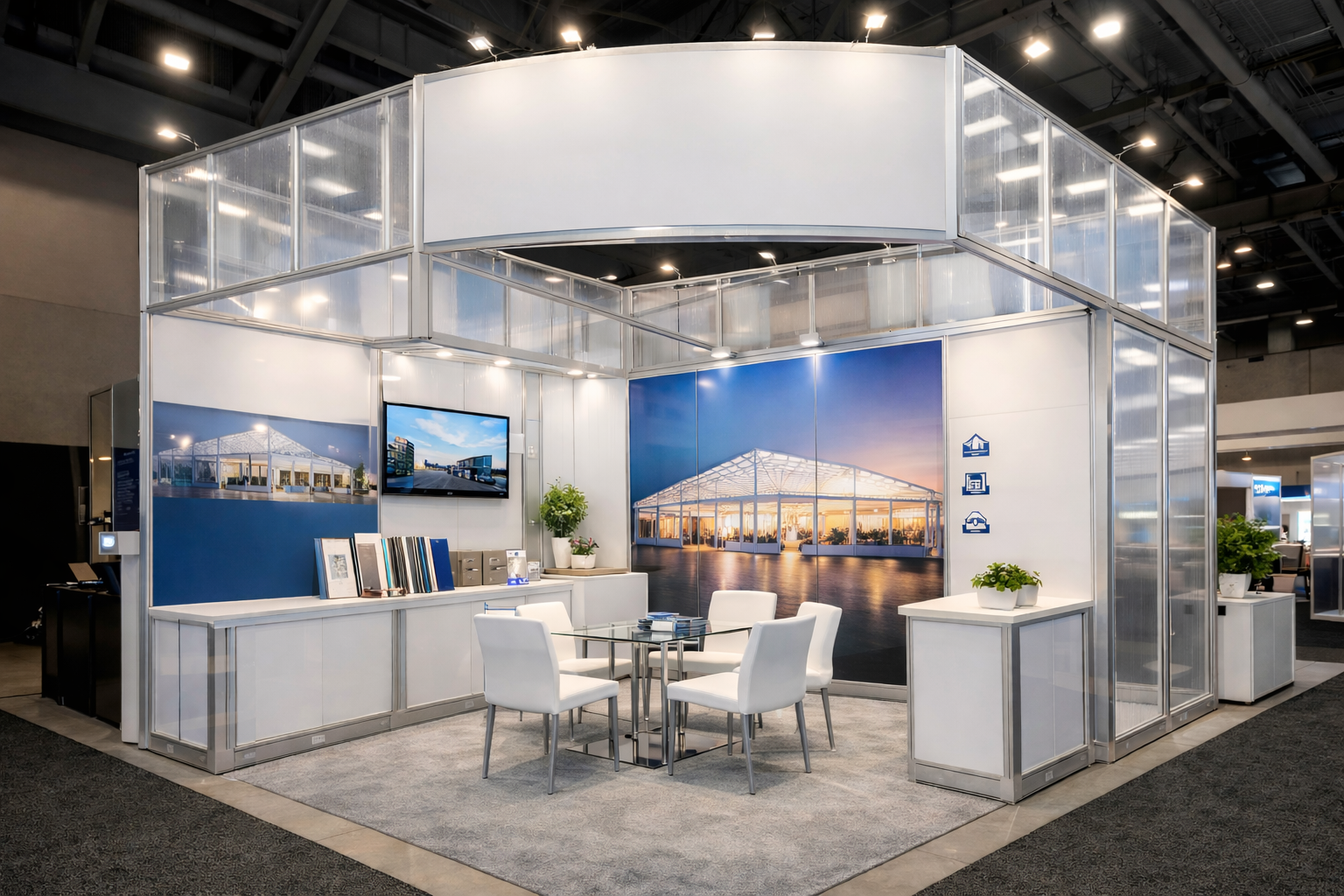
Exhibition Booth / Stand
Applied in malls, commercial buildings, and public spaces requiring controlled daylight.
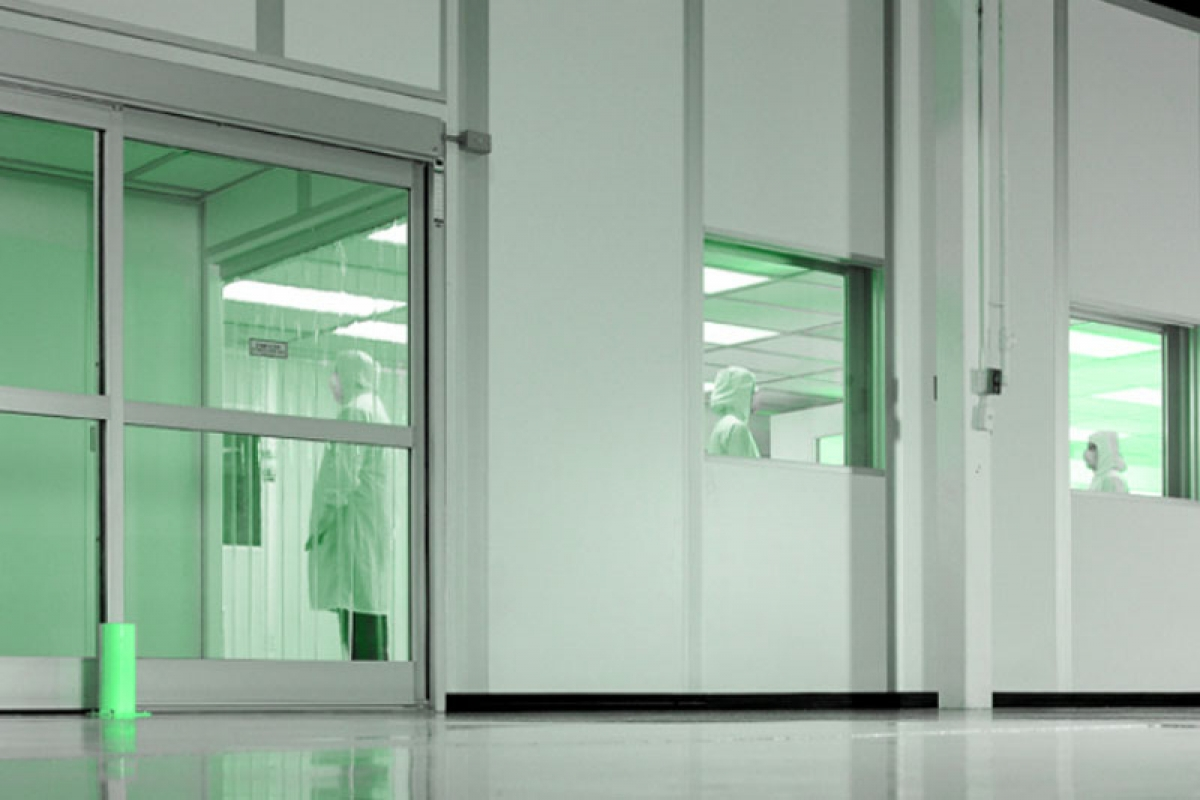
Cleanroom viewing panels
Allows visual access between controlled spaces while maintaining a durable and impact-resistant glazing surface.
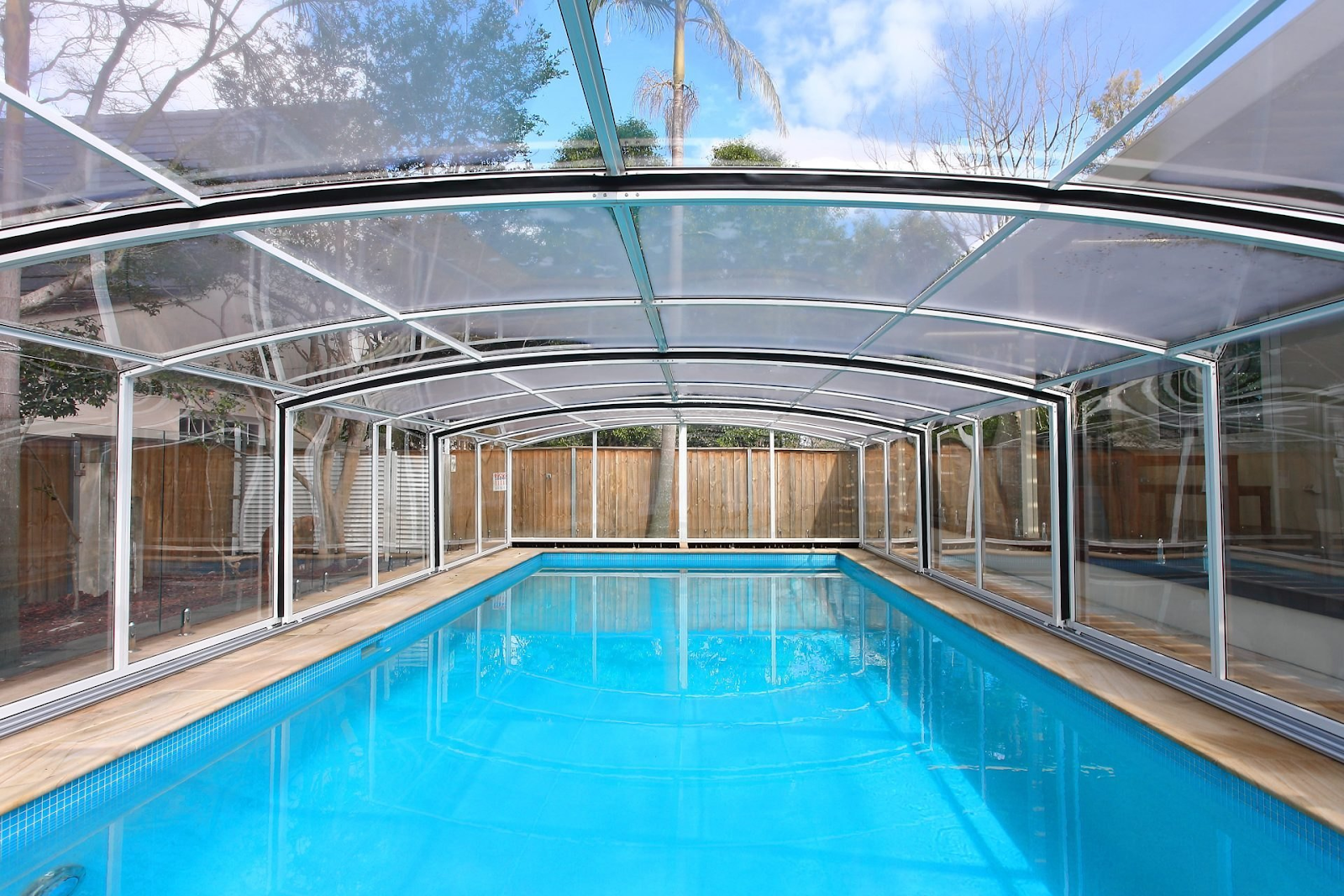
Swimming Pool Covers
Offers weather-resistant and impact-resistant covering solutions for semi-exposed environments.
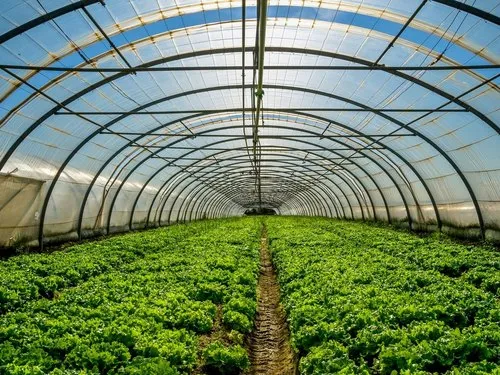
Greenhouse
Provides high light transmission with thermal efficiency for plant-growing environments.
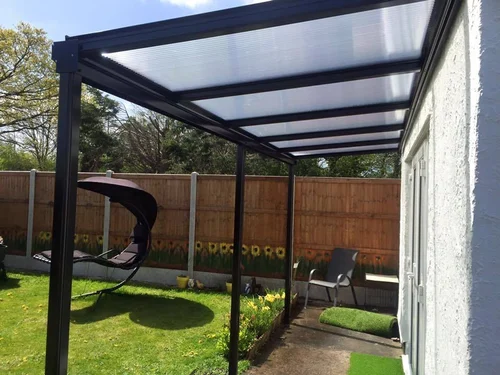
Walkway & Canopy Covers
Provides lightweight, impact-resistant overhead protection for pedestrian walkways and entrance canopies.
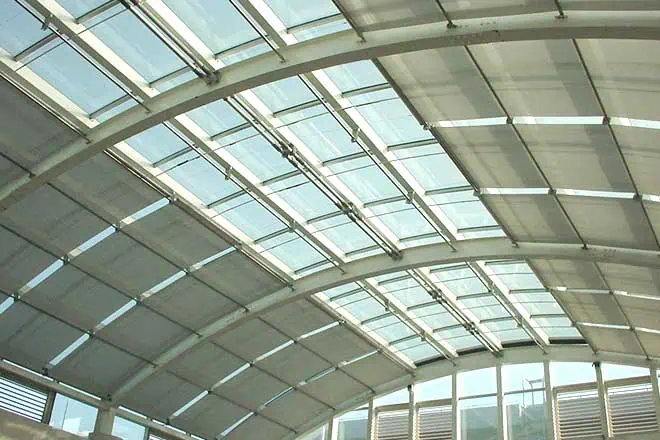
Industrial Skylights
Allows natural daylight penetration in factory and warehouse roofs while maintaining structural durability.
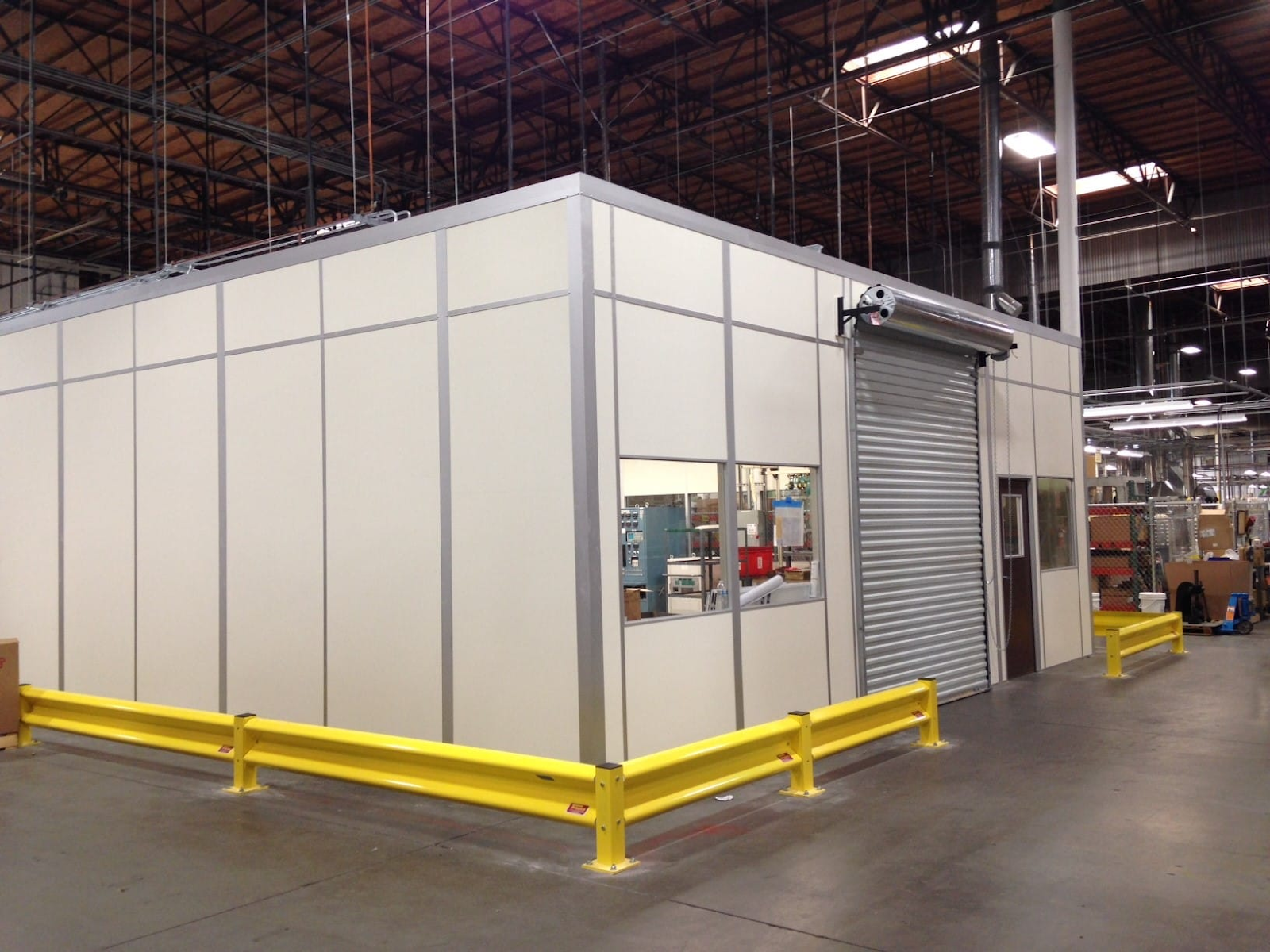
Machine Safety Guards & Protective Barriers
Offers transparent, high-impact-resistant shielding for industrial equipment and machinery.
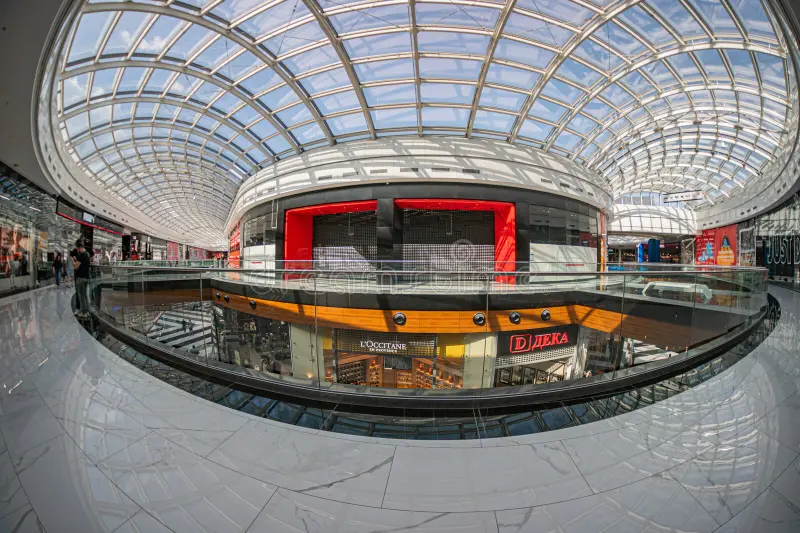
Mall Atrium Roof Features
Enables large-span daylighting installations with reduced structural load compared to traditional glazing.
Frequently asked Question
Multiwall polycarbonate sheets are rigid thermoplastic panels with a cellular structure that provides light transmission along with improved thermal insulation.
The internal air chambers reduce heat transfer, improving thermal performance compared to solid sheets of similar thickness.
Yes, they are commonly used in skylights, roof lights, and translucent roofing systems in industrial and commercial buildings.
Yes, they provide diffused natural light while reducing glare compared to clear glazing materials.
Yes, they are typically manufactured with UV-protective layers to resist yellowing and surface degradation.
Polycarbonate has high impact resistance, making multiwall sheets suitable for areas prone to hail and debris impact.
Yes, they are significantly lighter than glass, reducing structural load on the building.
Yes, within manufacturer-specified bending radius limits, they can be curved for architectural applications.
Proper sealing of sheet ends and correct orientation of flutes are essential to prevent moisture ingress and condensation buildup.
Thickness, light transmission requirements, insulation performance, UV protection, load conditions, and application type should be evaluated.