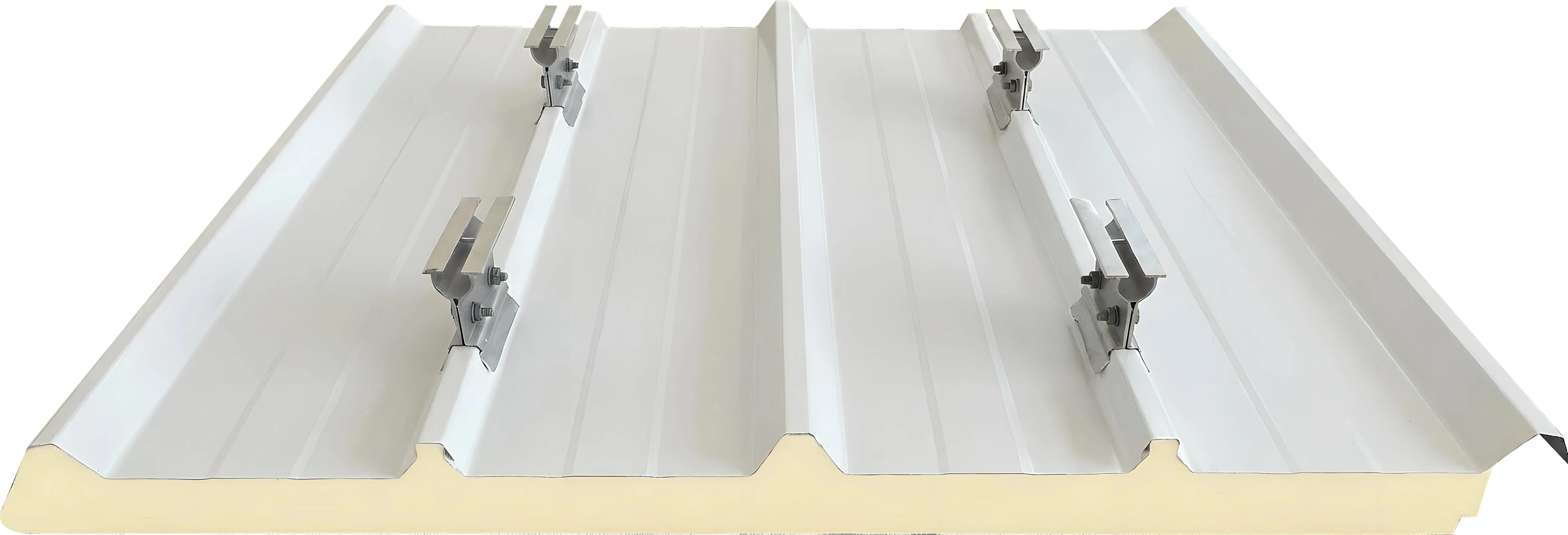
PUF Solar Profiled Roof Panel
PUF Solar Roof Panel is an insulated sandwich roofing panel designed to support rooftop solar mounting systems without damaging the roof sheet. The panel consists of high-strength metal sheets bonded with rigid Polyurethane Foam (PUF) insulation, forming a lightweight yet structurally strong roofing solution.The top sheet is manufactured with a solar-compatible rib profile that allows clamp-based fixing of solar structures, eliminating drilling, leakage risks, and corrosion.
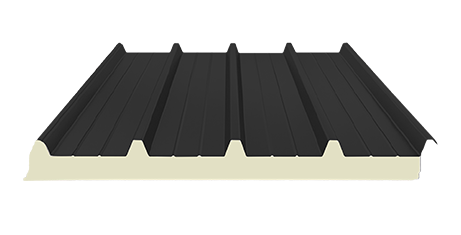
Colour Shades
Solar Profiled Roof Panel are offered in a curated range of 10 factory-applied colour-coated finishes, engineered to support functional zoning, architectural integration, and site-specific environmental exposure. The pre-coated metal facings ensure uniform colour consistency, enhanced corrosion resistance, and long-term surface stability, maintaining performance and appearance under demanding industrial and coastal conditions.
Select Color:
Product Specifications
| PARAMETER | SPECIFICATIONS |
|---|---|
| Panel Type | Insulated Sandwich Roofing Panel |
| Insulation Core | Rigid Polyurethane Foam (PUF) |
| Facing Material | High-strength metal sheets (pre-coated steel or equivalent) |
| Roof Profile | Solar-compatible rib profile |
| Solar Mounting Method | Clamp-based fixing (no drilling required when compatible systems are used) |
| Waterproofing Consideration | Profile designed to minimize roof penetrations during solar installation |
| Structural Application | Suitable for industrial, commercial, and warehouse roofing |
| Insulation Function | Reduces heat transfer through roof assembly |
| Installation Benefit | Allows rooftop solar integration without compromising sheet integrity |
| Construction Type | Lightweight insulated roofing system |
Profile drawing
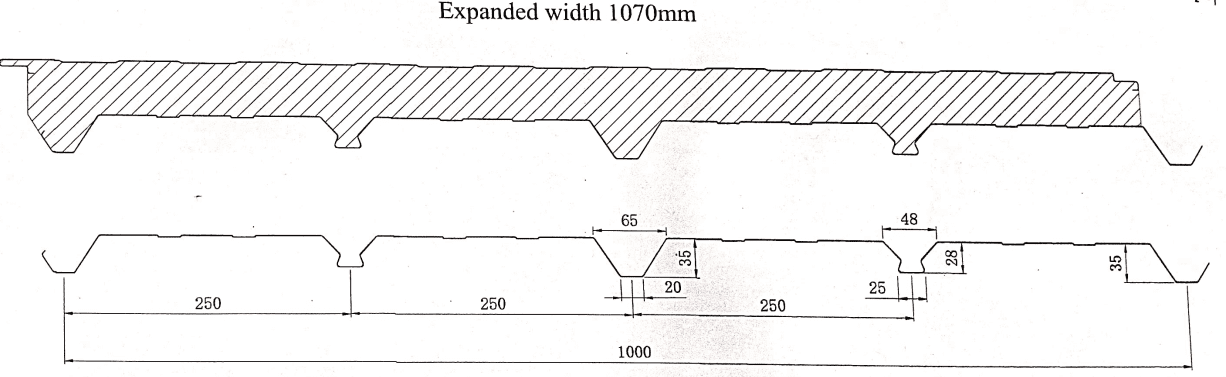
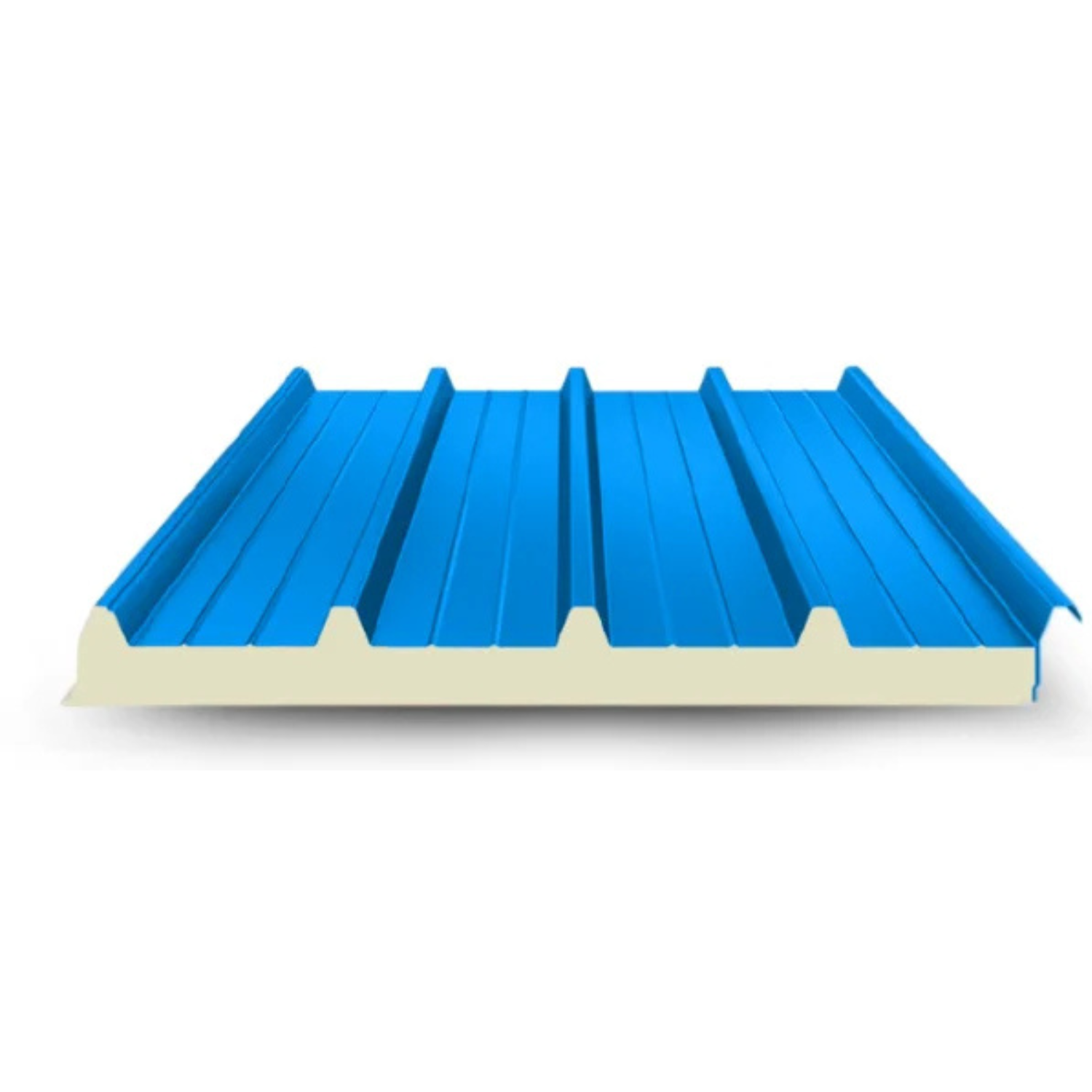
Five Ribs Solar Profile
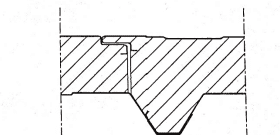
Joinery System
Key Performance Attributes
Outlining Essential performance parameters influencing insulation, strength, and installation efficiency.
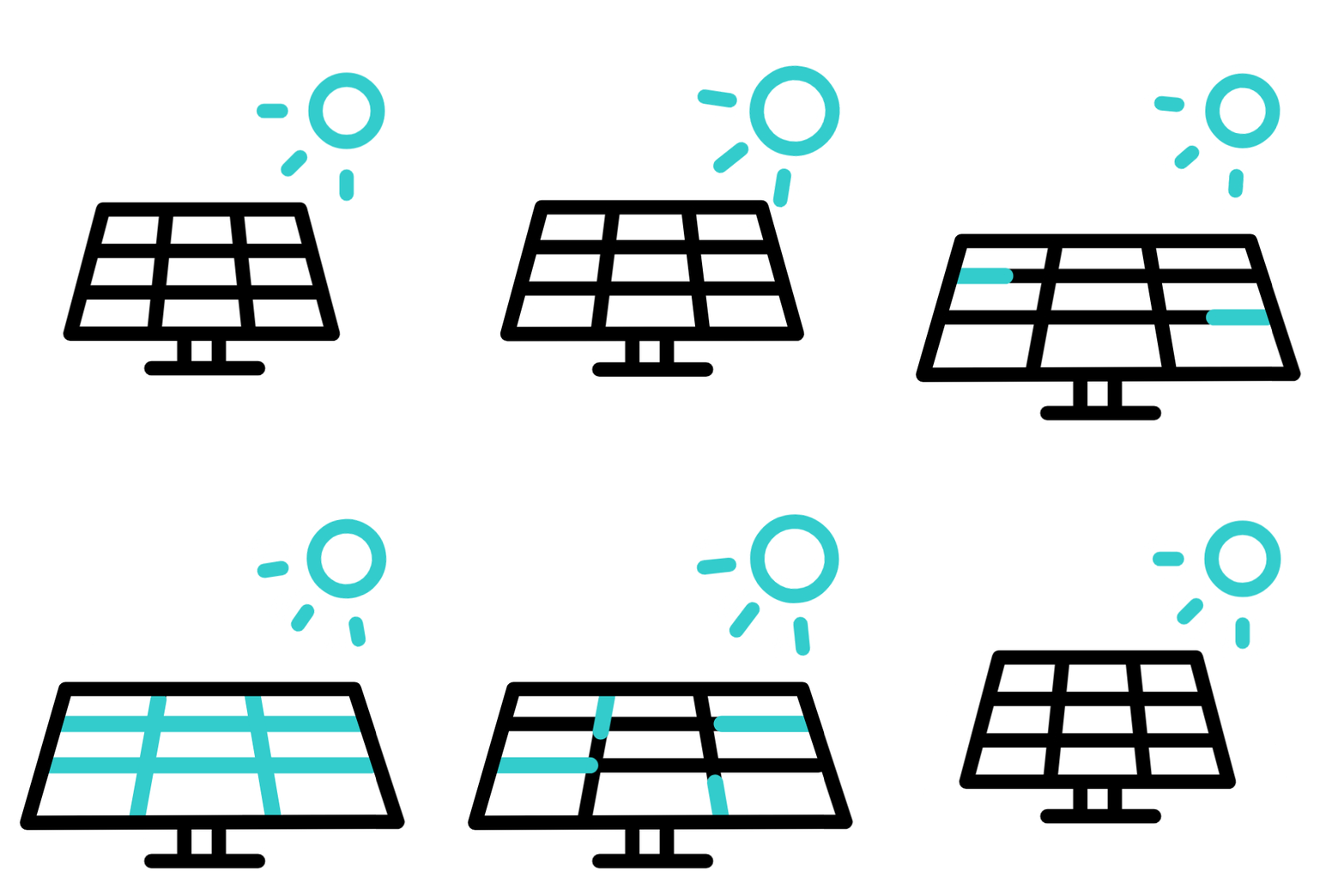
High Load-Bearing Capacity
Profiled design distributes additional solar panel loads efficiently.

Weather Tightness
Maintains effective water drainage and resistance to leakage.

Durable Surface Finish
Pre-coated metal resists corrosion and outdoor exposure.

Installation Efficiency
Compatible with standard roofing and solar installation practices.
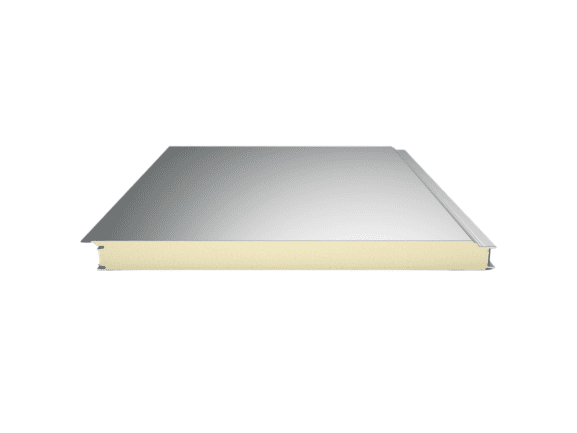
Available Panel Joints
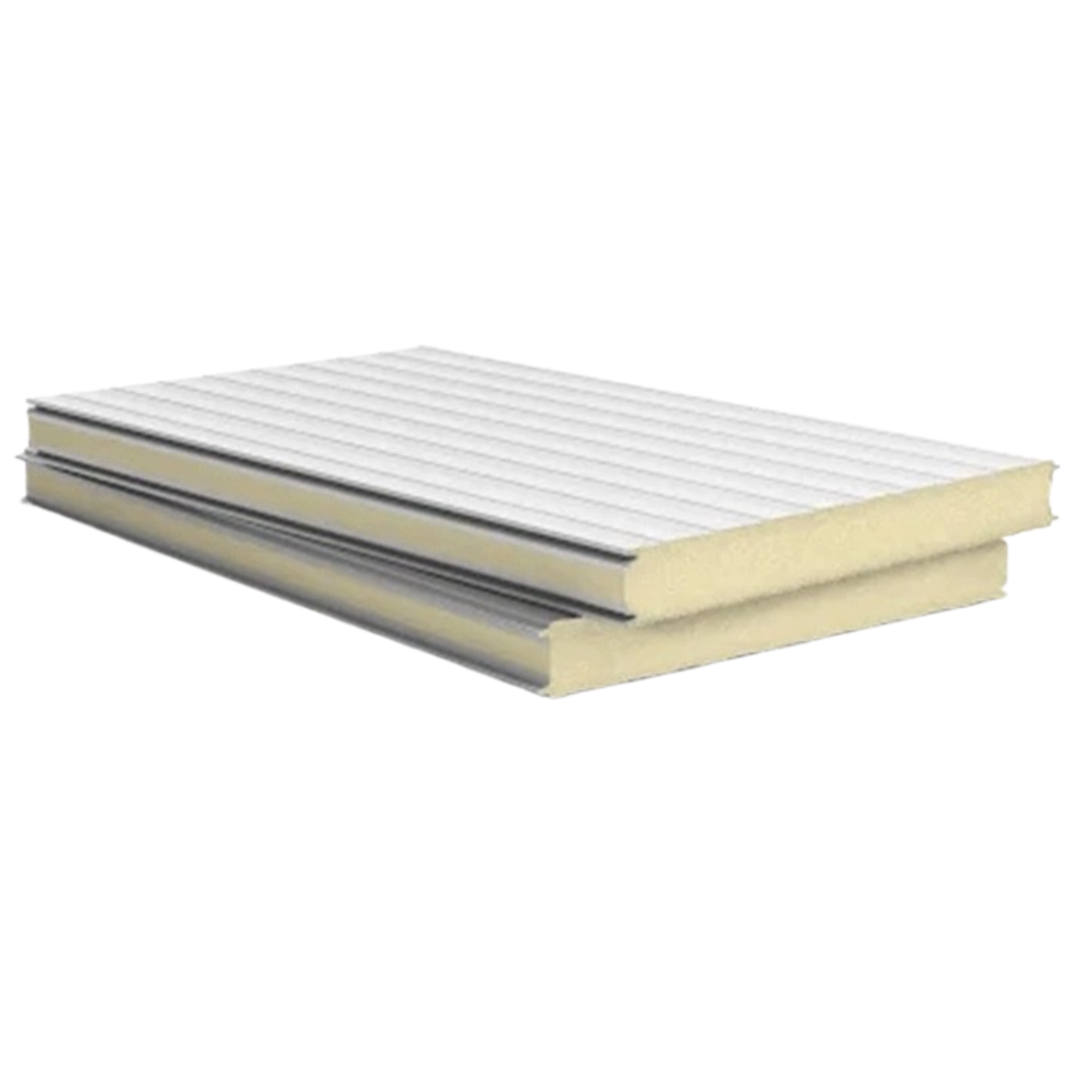
Mount’s panel joint configurations ensure precise alignment, secure interlocking, and effective load transfer, enhancing structural continuity, air and moisture tightness, and installation efficiency while maintaining long-term durability .

Roof Joint

Single Tongue & Groove Joint

Double Tongue & Groove Joint

Hidden Tongue & Groove

Camlock Joint

M Section
Advantages of the Solar Profiled Roof Panel
Solar-Compatible Roofing Geometry
The profiled configuration allows secure integration of solar mounting systems without compromising roof alignment or drainage flow.
Combined Insulation & Solar Support
Functions as both a thermally insulated roofing system and a structural base for photovoltaic installations.
Reduced Roof Penetration Complexity
Profile compatibility can help streamline fastening layouts during solar integration when properly engineered.
Large-Span Industrial Suitability
Designed for industrial roofing applications where insulation performance and rooftop solar adoption coexist.
Improved Long-Term Roof Utility
Allows buildings to transition toward renewable energy integration without replacing the roofing system.
Available Accessories
Mount Roofing & Structures provides engineered panel accessories designed to support installation accuracy, system compatibility, and enclosure performance across insulated panel applications.
These accessories are developed to integrate seamlessly with Mount panel systems, ensuring coordinated detailing, structural alignment, and long-term operational reliability across industrial, commercial, cleanroom, and cold storage projects.
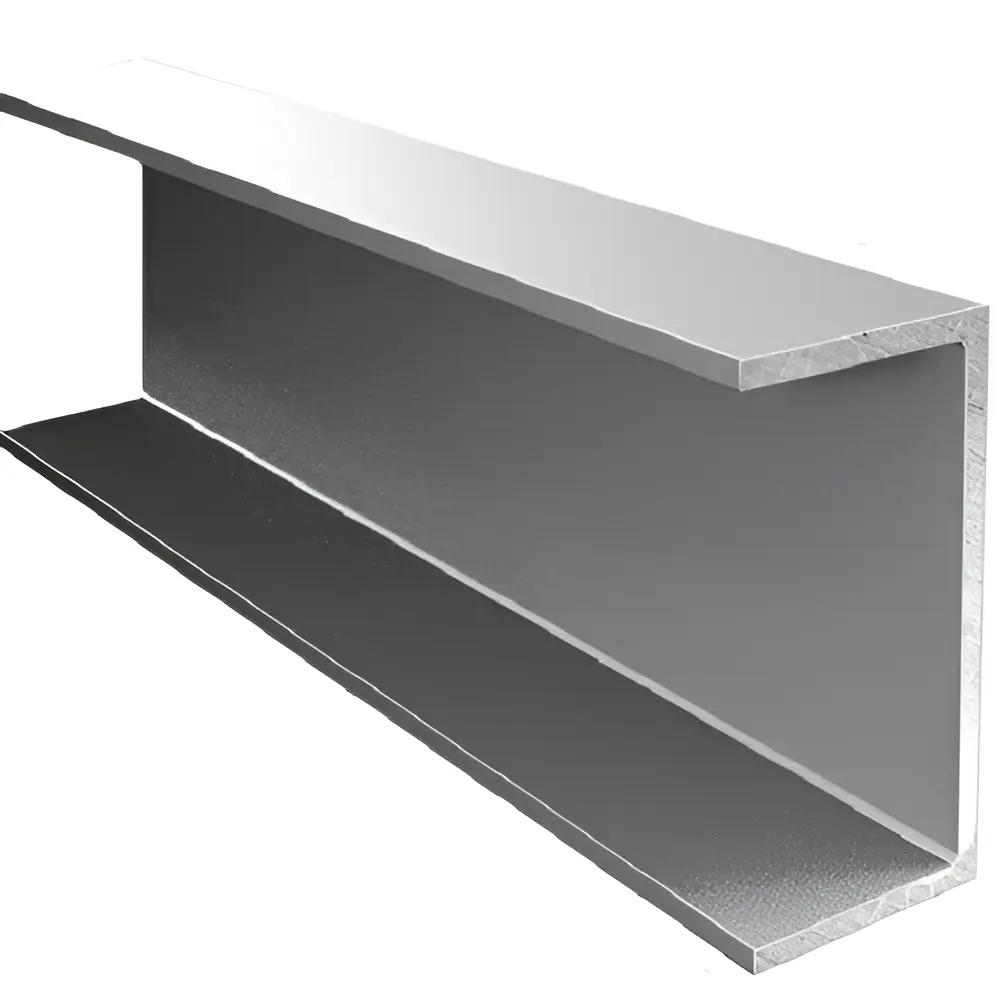
Bottom C Flashing
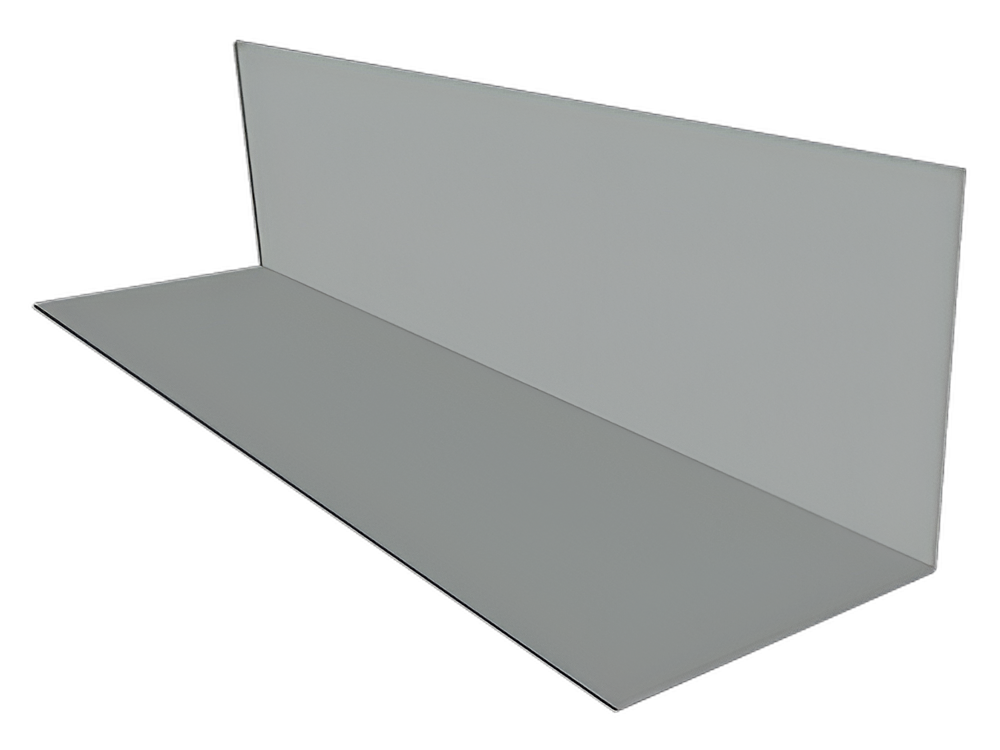
L Flashing (Inner and Outer)
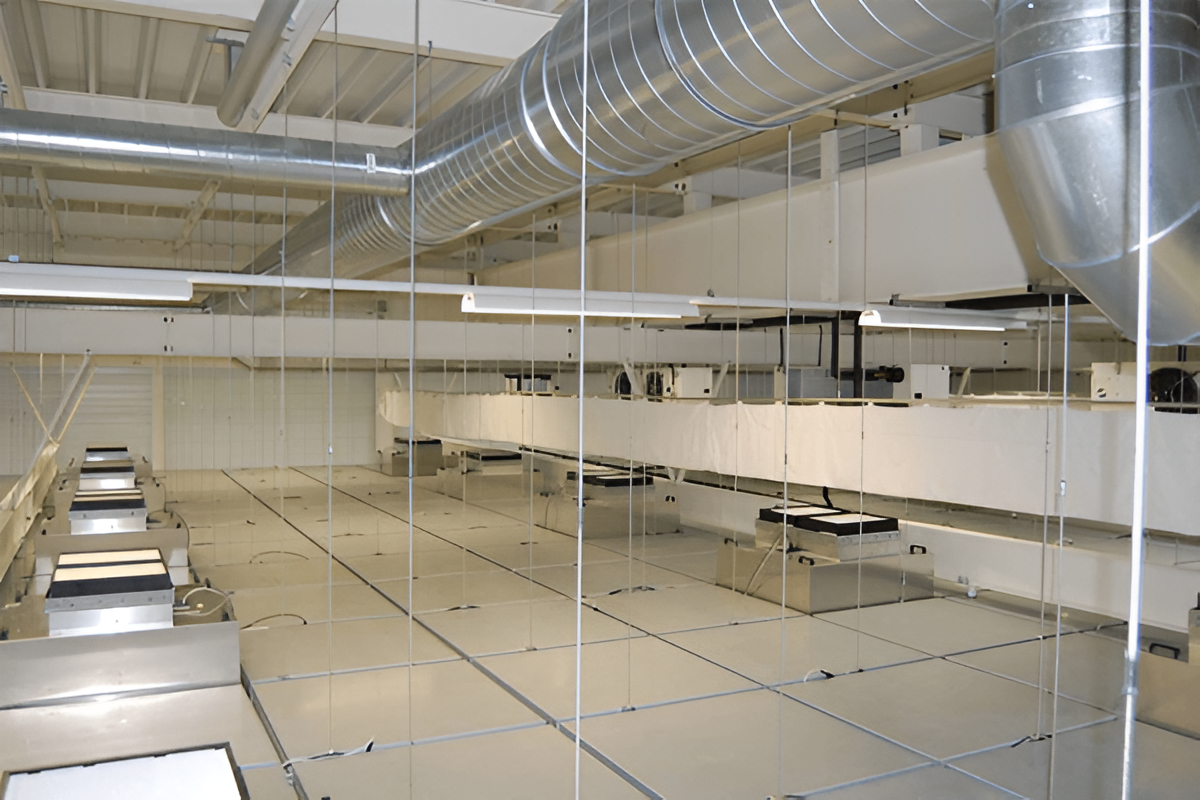
Walkable Ceiling Panels
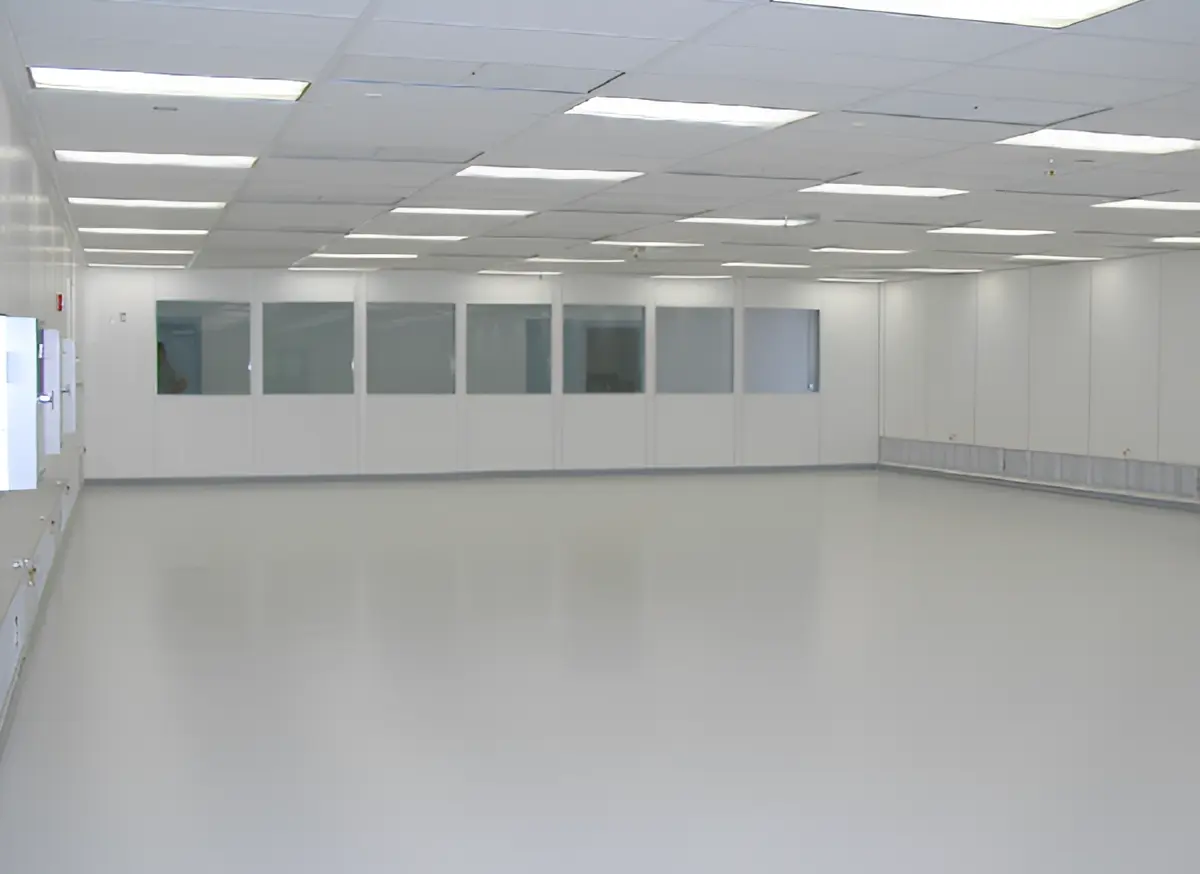
Non-Walkable Ceiling Panels
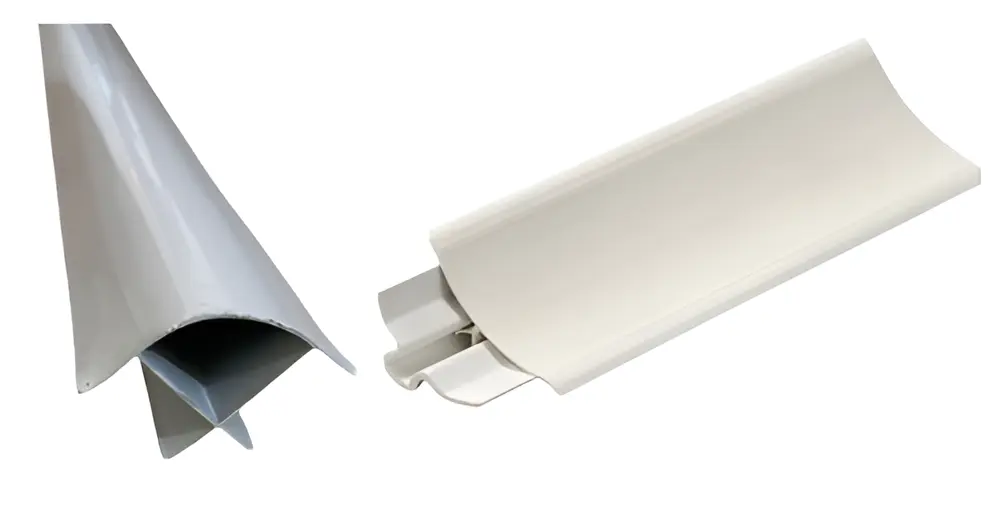
Inner and Outer Covings
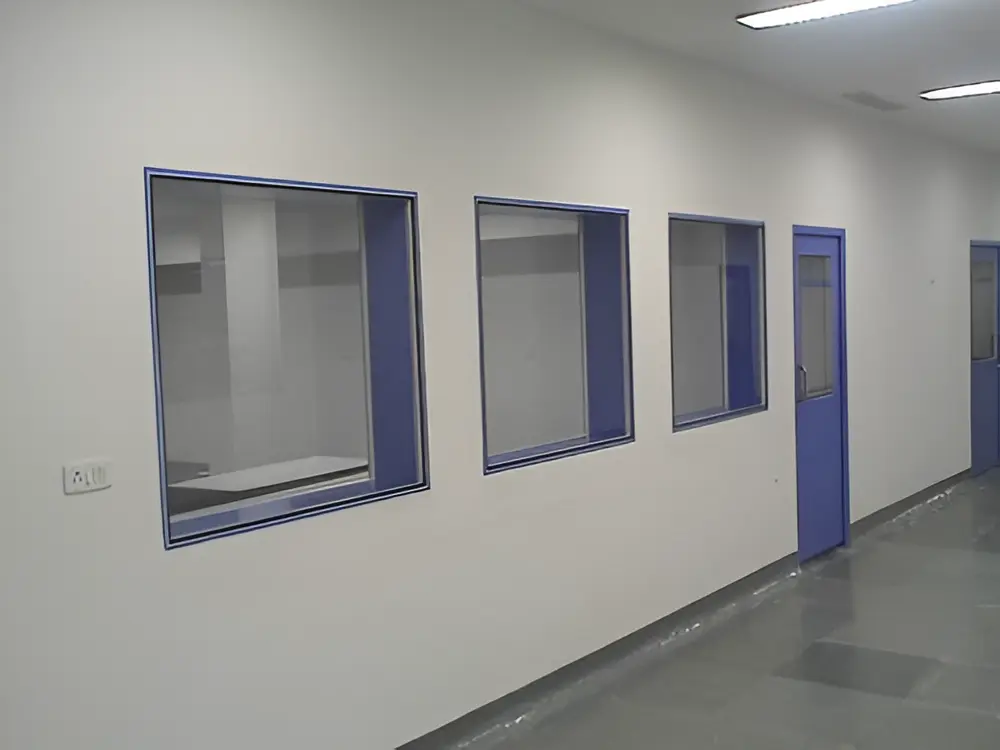
View Panels
Applications
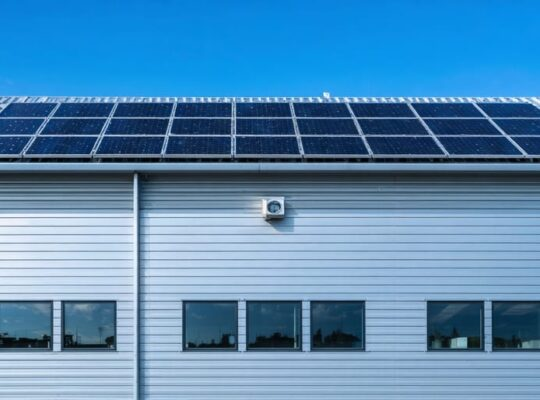
Solar-Integrated Industrial Roofs
Engineered specifically to support solar mounting compatibility.
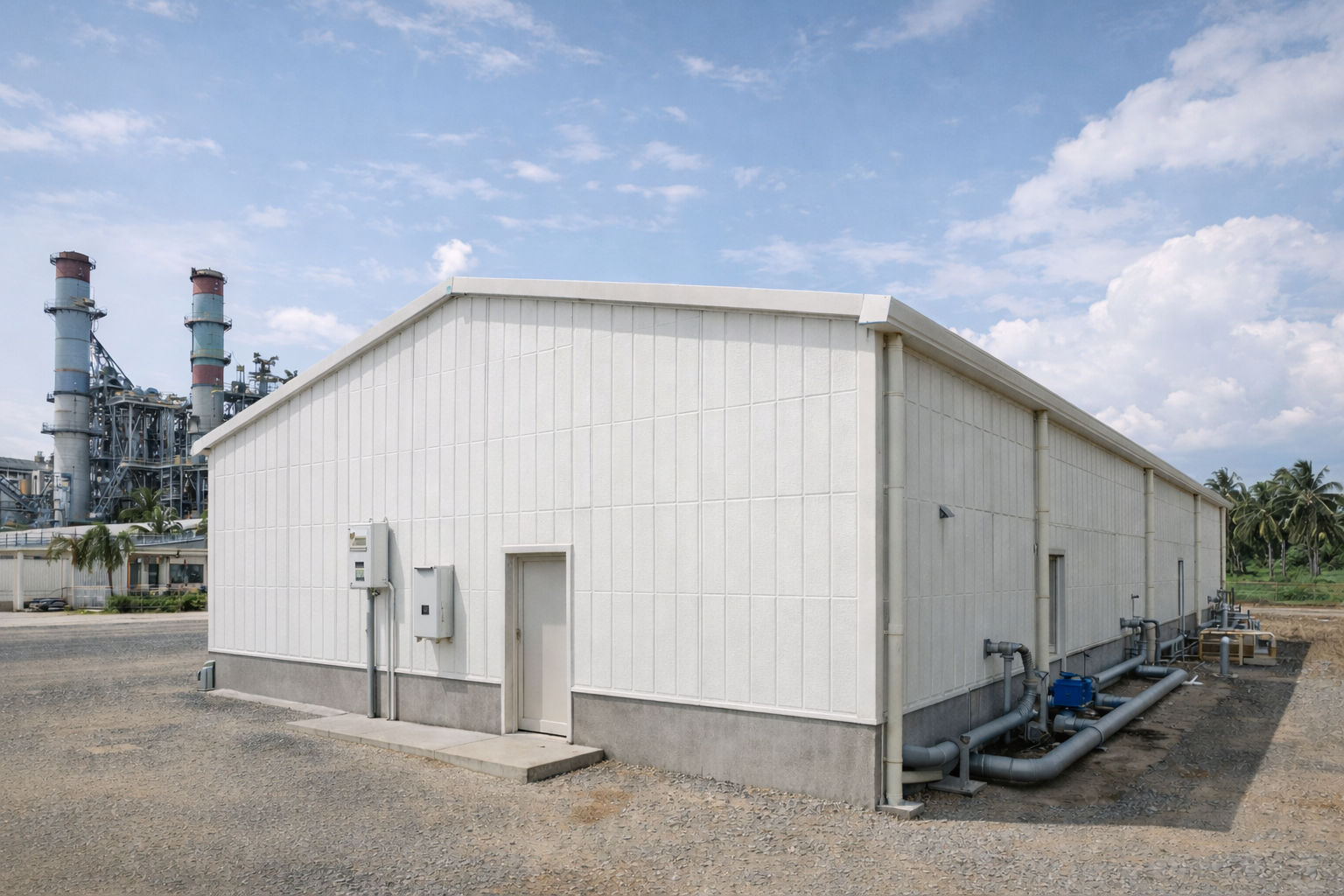
Power Plants
Applicable in auxiliary buildings incorporating rooftop solar.
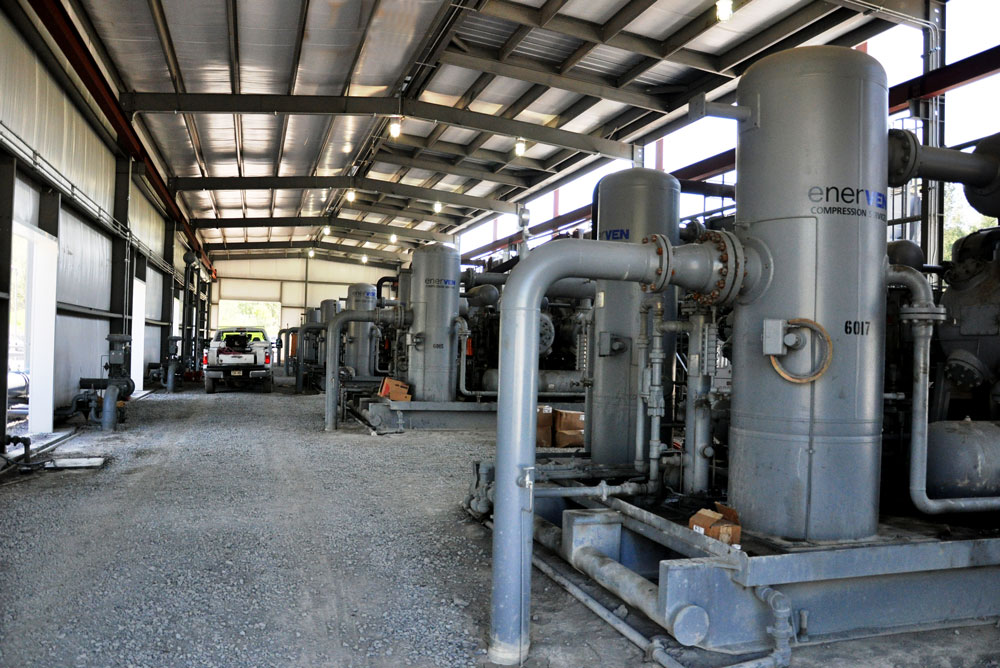
Oil & Gas Facilities
Supports renewable integration in non-hazardous building zones.
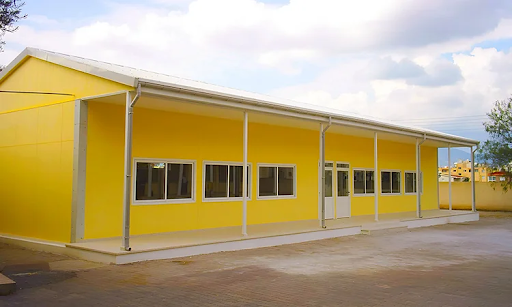
Institutional & Educational Buildings
Supports solar-ready infrastructure in campus buildings.
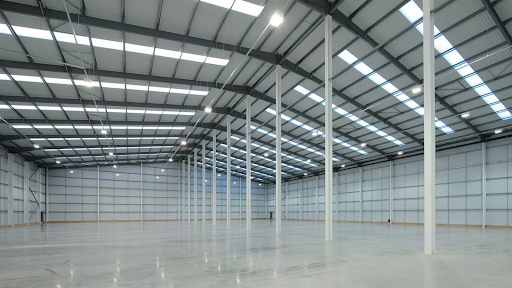
PEB Structures
Designed to integrate with steel roof framing and solar mounting systems.
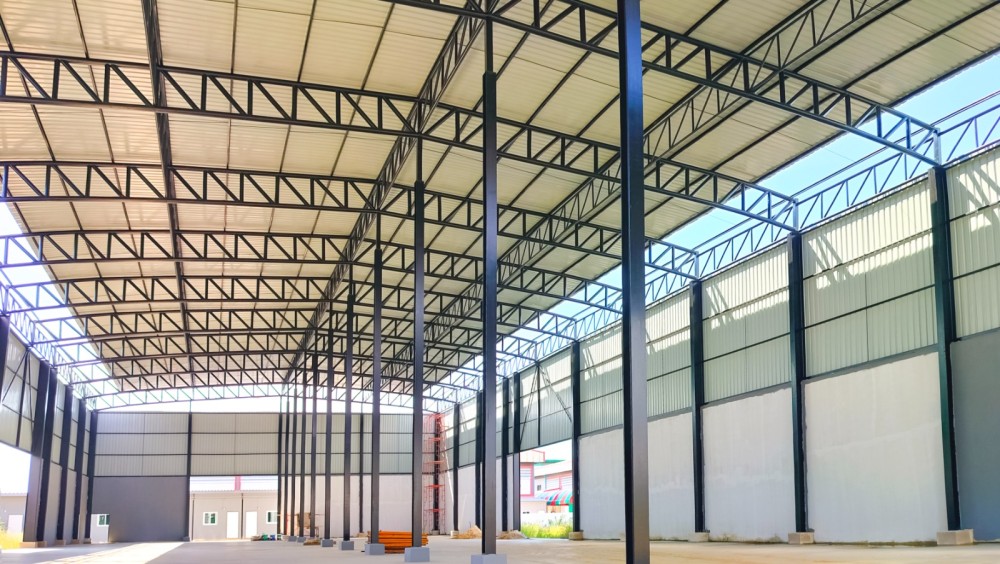
Large-Span Metal Roofing Structures
Ideal for buildings requiring both roofing and solar integration.
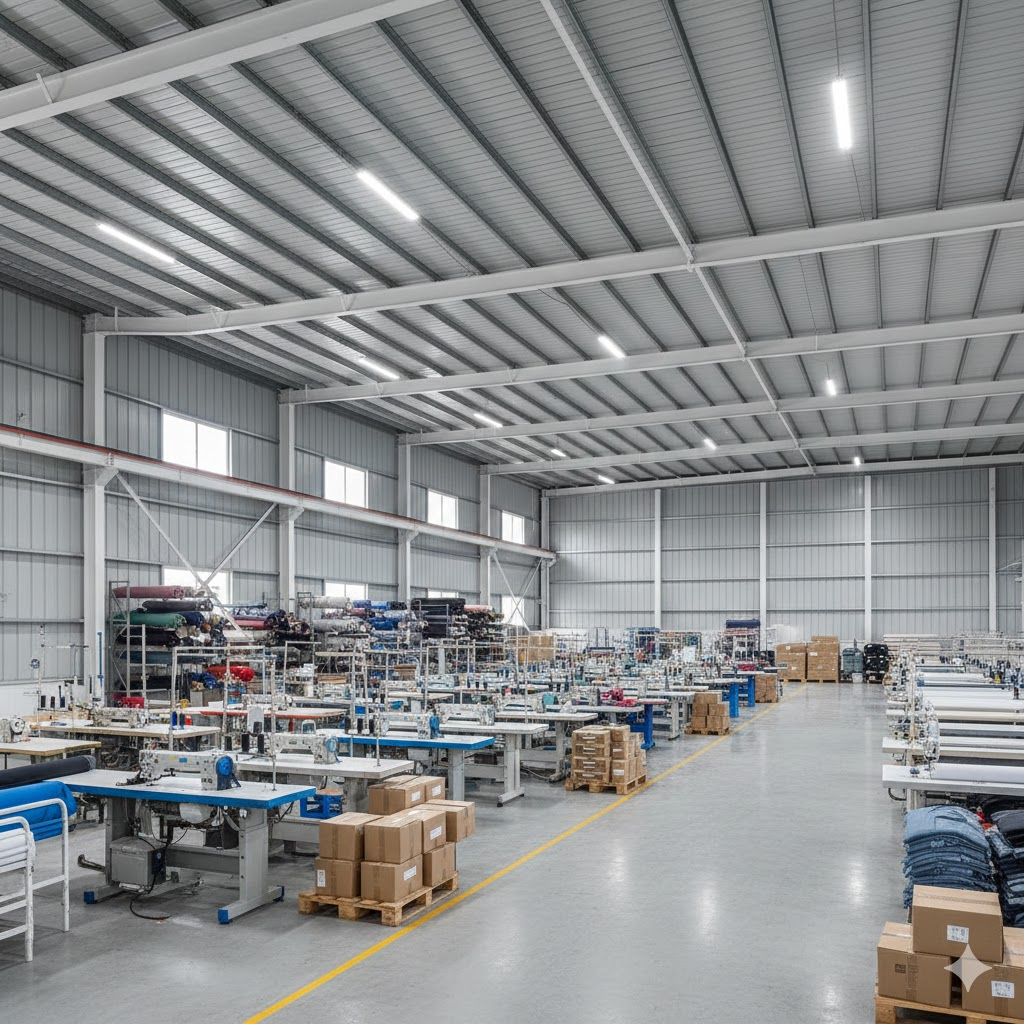
Textile & Garment Manufacturing
Allows renewable energy integration on insulated roof systems.
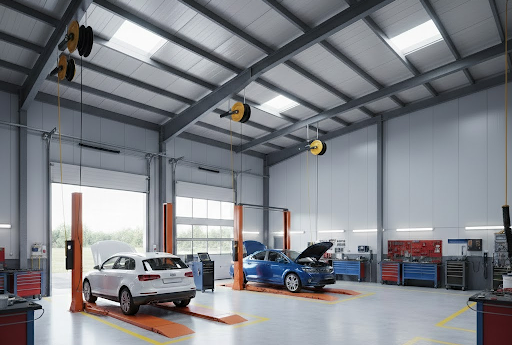
Automobile & Engineering Workshops
Supports photovoltaic installation without structural modification.
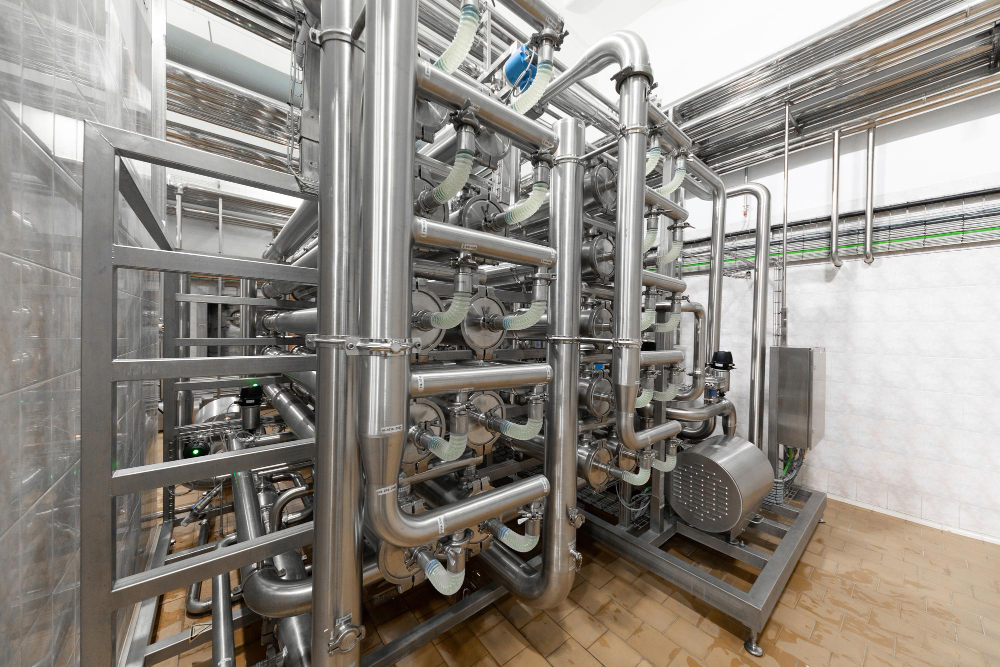
Industrial Manufacturing Units
Profiled geometry supports additional solar load on factory roofs.
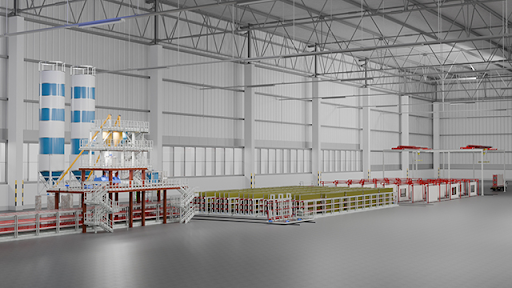
Warehouses & Logistics Centres
Enables rooftop solar integration over large-span storage facilities.
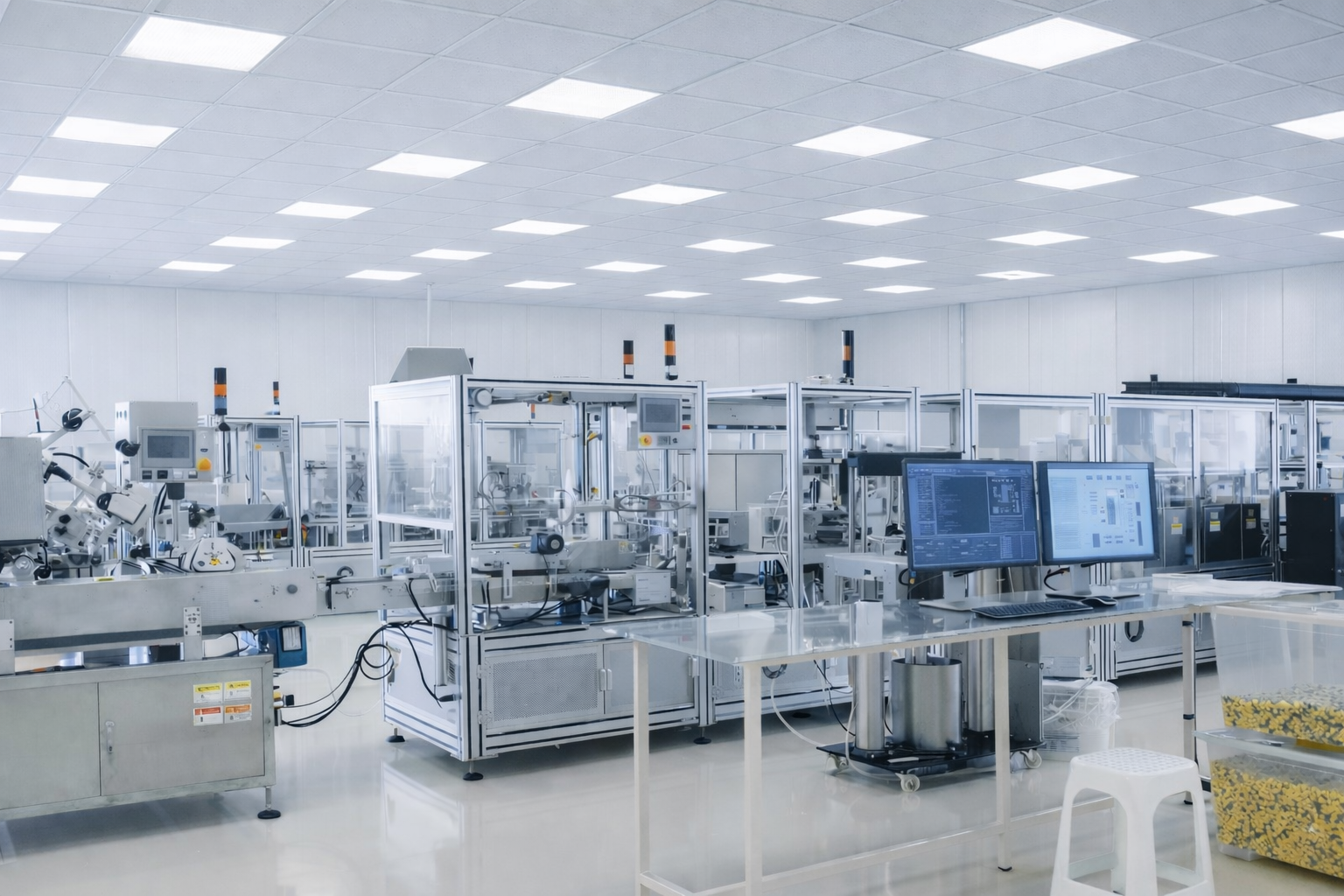
Pharmaceutical Production Areas
Allows energy-efficient roofing in controlled production buildings.

Food Processing & Packaging Zones
Supports rooftop solar systems while maintaining roof drainage performance.
Why Choose Mount?
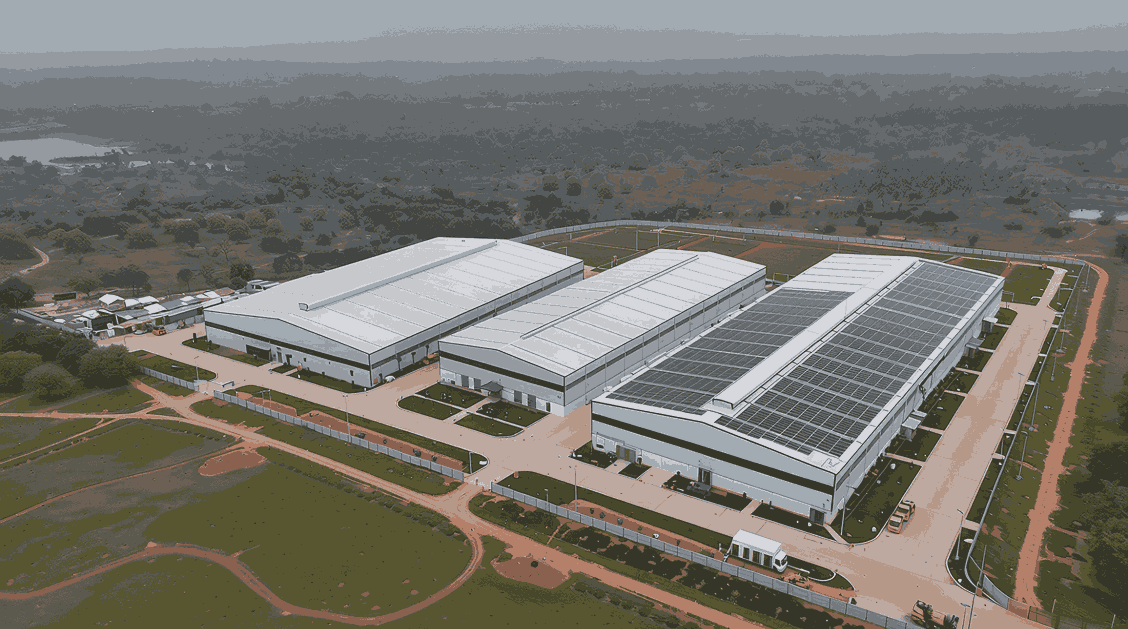
Mount Roofing & Structures manufactures insulated roof panel systems through automated production lines supported by in-house engineering coordination. Solar-compatible profiled panels are produced with dimensional consistency to align with structural steel and rooftop installation requirements.
Key capabilities include:
- 30+ Years of Combined Industry Experience
Technical expertise across insulated panels and steel building systems. - Automated PUF Panel Production Lines
Ensures uniform core bonding, dimensional accuracy, and repeatable quality. - 8.5 Million m² Annual Production Capacity
Supports large-scale industrial and infrastructure roofing projects. - 460+ Skilled Workforce
Structured manufacturing, quality monitoring, and execution oversight. - Exports to 89 CountriesExperience supporting cold storage, industrial, and infrastructure developments globally.
Frequently asked Question
A Solar Profiled Roof Panel is an insulated roofing system engineered with a rib geometry designed to support clamp-based photovoltaic mounting systems while maintaining structural and drainage performance.
No. When compatible clamp systems are installed on the engineered rib profile, solar panels can be secured without unnecessary sheet penetration in the weather-exposed area. Minimizing through-sheet fasteners reduces potential leak points, provided installation follows approved detailing guidelines.
In clamp-compatible systems, solar mounting can be achieved through rib engagement rather than direct sheet penetration. However, final installation methodology depends on structural design and mounting system specifications.
Dead load and wind uplift forces from solar panels are transferred through the profiled ribs into the supporting purlins. Structural verification must be carried out based on calculated load conditions.
Yes. These panels are mechanically fastened to steel purlins within PEB systems, allowing coordinated integration between roofing and solar infrastructure.
No. The thermal performance of the panel is governed by the insulation core and thickness. Solar mounting does not alter the intrinsic thermal conductivity of the insulated panel.
The ribbed profile preserves water flow channels between panel crests, allowing rainwater runoff even after solar clamp installation when correctly spaced.
Not necessarily. Structural adequacy depends on panel span, thickness, purlin spacing, and total system load. Engineering evaluation is required to confirm compliance with design loads.
Yes. They are commonly specified for warehouses, manufacturing facilities, logistics hubs, and commercial buildings incorporating rooftop photovoltaic systems.
Key considerations include structural load capacity, wind uplift resistance, mounting compatibility, roof slope, drainage detailing, insulation requirements, and local design standards.