 Apr 10, 2026
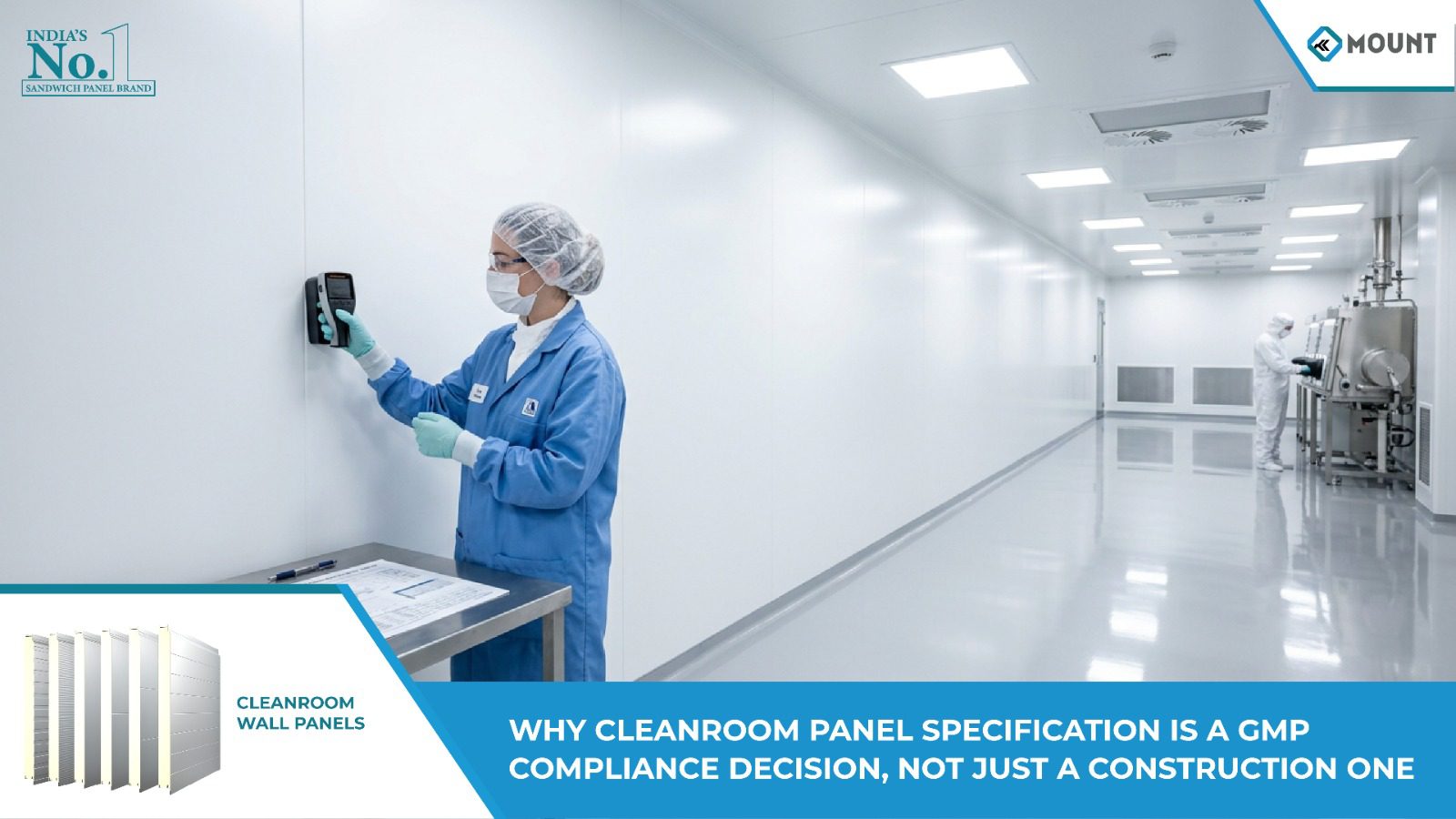
Why Cleanroom Panel Specification Is a GMP Compliance Decision, Not Just a Construction One
For example, in medicine and biotechnology, “walls” are not just there to hold up a ceiling; they are special equipment designed to keep invisible enemies such as dust, germs, and fibers out of the. This is what we call Good Manufacturing Practice (GMP).
When a company chooses pharma cleanroom panels, they aren’t just buying building materials; they are making a high-stakes decision about safety. If a wall is rough or has tiny cracks, it becomes a hotel for bacteria. For a facility manager, picking the wrong material could mean a failed inspection and a total stop in production.
More Than Just a Wall: The Surface Science
In a normal room, walls have tiny pores or bumps you can’t see. In a sterile lab, these bumps are dangerous because they trap microscopic particles. High-quality clean room panels are engineered to be perfectly smooth and non-porous. This means they don’t have “skin” that can peel or shed into the air.
When using cleanroom panels for pharmaceutical manufacturing, the surface must be tough enough to handle “chemical baths.” Every day, teams spray these walls with strong cleaners to kill germs. A basic metal sheet would rust or bubble under this stress, but specialized clean room sandwich panels stay perfectly smooth, ensuring the room stays ultra-clean year after year.
Keeping the “Bad Air” Out
A clean room is like a balloon that is always slightly inflated. This is called positive pressure. If someone opens the door, the clean air goes out but the dirty air cannot get in. Of course, this only works if the room is sealed tight.
If the clean room partitions have the smallest crack in the joints, the pressure goes away. This means that the air conditioning and filtering system has to work twice as hard. This not only wastes energy but also creates a “leak” in the room. Using clean room panels allows for a precise fit. These panels fit together so tight that they make a box. This way, the facility can easily maintain the exact pressure required by law.
Why Hospitals and Labs Need Different Shields
Clean rooms are not all the same. For instance, clean room panels for biotech labs may have to withstand special gases.
Meanwhile, cleanroom panels for hospitals,specifically in operating theaters,need to be “anti-static.” This prevents static electricity from building up on the walls, which could interfere with sensitive heart monitors or attract dust to the patient.
By choosing a high-tech clean room sandwich panel, a facility ensures that it meets these specific rules from day one. It is much cheaper to build the room correctly with the right materials than to try and “fix” a contamination problem later.
FAQ
Q: What does “non-shedding” mean in a cleanroom context?
A: It means the material will not break down into tiny dust particles over time. Regular paint can flake off, but the specialized coating on a clean room partition is bonded so tightly that it stays intact even after years of heavy scrubbing.
Q: Why is the “core” of the panel important if I only see the outside?
A: The core (the “meat” in the sandwich panel) provides strength and fire protection. If a fire starts, you need panels that don’t produce toxic smoke. Mount uses materials like PIR or Rockwool that keep the building safe while also keeping the temperature perfectly steady.
Q: Can I move these walls if I want to expand my factory?
A: Yes. That is the beauty of modular clean room panels. Because they aren’t made of bricks and mortar, you can take them apart and put them back together in a new shape. This allows a business to grow without creating a dusty construction mess.
Q: How do these panels help with HVAC systems?
A: HVAC systems are the “lungs” of a cleanroom. If the walls are leaky, the lungs have to breathe harder. Airtight clean room panels make the HVAC’s job easy, which saves the company a lot of money on electricity bills.
Q: Do these panels stop bacteria from growing?
A: The panels themselves are “biostatically neutral.” This is a fancy way of saying they don’t provide any “food” for bacteria to eat. Because the surface is so smooth and doesn’t hold moisture, germs have nowhere to hide and grow.
Similar Events