 Mar 20, 2026
Why PEB Structures Are Better Suited for Fast, Heat-Efficient Construction in Summer
In industrial infrastructure, the summer season isn’t just a timeframe; it is a critical design variable. For traditional construction, peak temperatures introduce volatility, fluctuating concrete cure rates, compromised moisture levels, and labor fatigue. However, for a pre-engineered building construction company, these months represent a strategic window for precision-engineered execution.
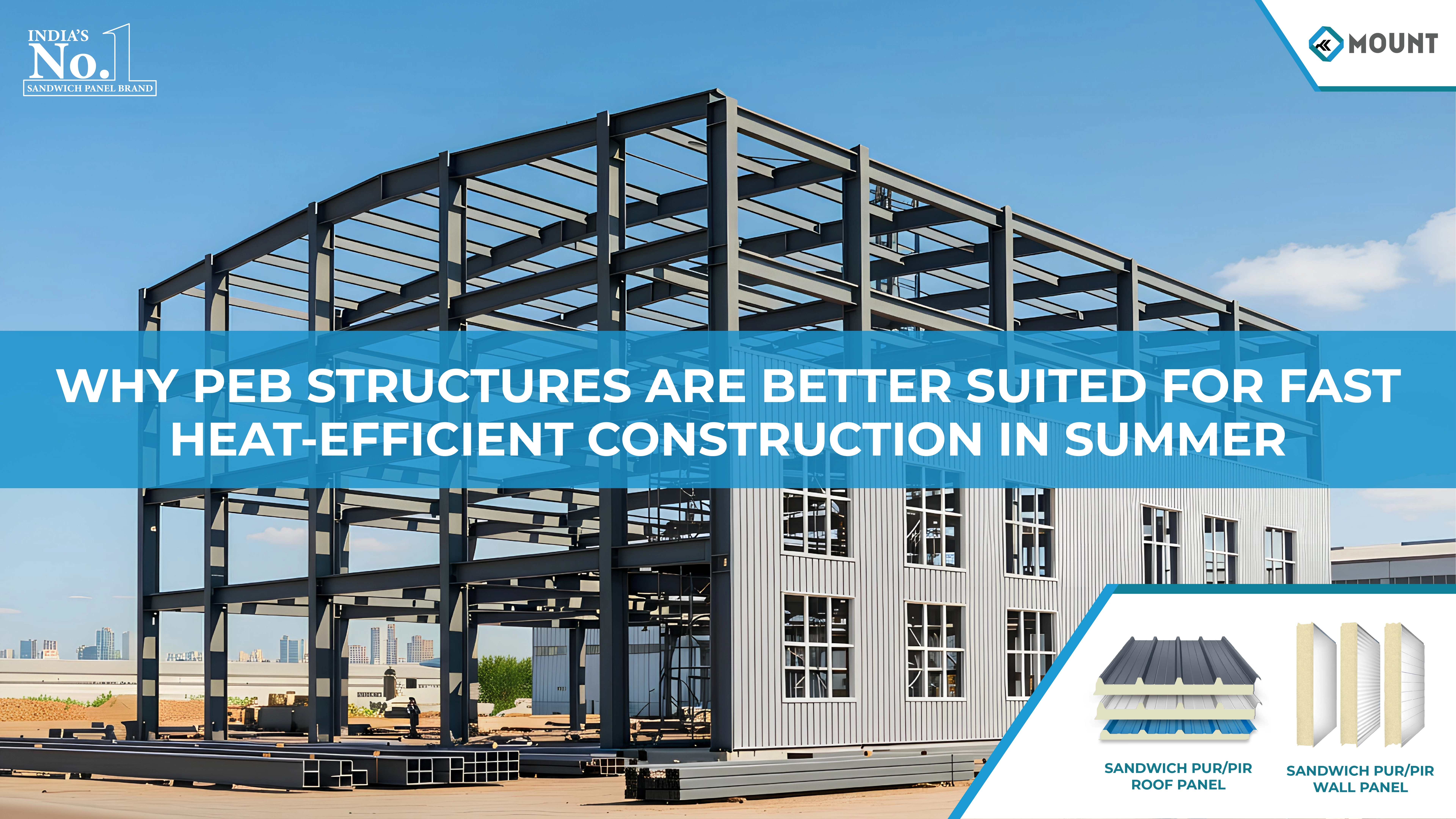
Unlike conventional cast-in-place methods, Pre-Engineered Buildings (PEB) utilize a factory-controlled fabrication model that eliminates the environmental variables inherent to on-site assembly. This approach ensures that structural integrity and project timelines remain uncompromised by the thermal challenges of the Indian summer.
The Physics of Precision: Overcoming Thermal Variability
One of the primary advantages of engineered steel systems is their dimensional stability under extreme heat. Traditional masonry and reinforced concrete are highly sensitive to “hydration heat” and ambient evaporation during summer. If the water-to-cement ratio is disrupted by rapid evaporation, the structural load-bearing capacity can suffer.
In contrast, PEB components are manufactured in a climate-controlled environment where tolerances are kept to a fraction of a millimeter. When these components arrive at the site, the use of bolted assemblies rather than wet-trade joints removes the thermal dependency of the build. Because the structural members are already seasoned and treated, they do not face the cracking or shrinkage risks associated with on-site curing.
Furthermore, steel building roofing panels manufactured by Mount are engineered to account for thermal expansion. Our slotted bolt-hole designs and specialized clips allow for the natural expansion and contraction of the frame without stressing the fasteners, ensuring the building envelope remains airtight and structurally sound through 45°C+ cycles.
Accelerated Enclosure: The Strategic Role of the Building Envelope
In B2B infrastructure development, the goal is “dry-in” status, getting the building enclosed as quickly as possible to allow interior mechanical, electrical, and plumbing (MEP) work to begin in a shaded environment.
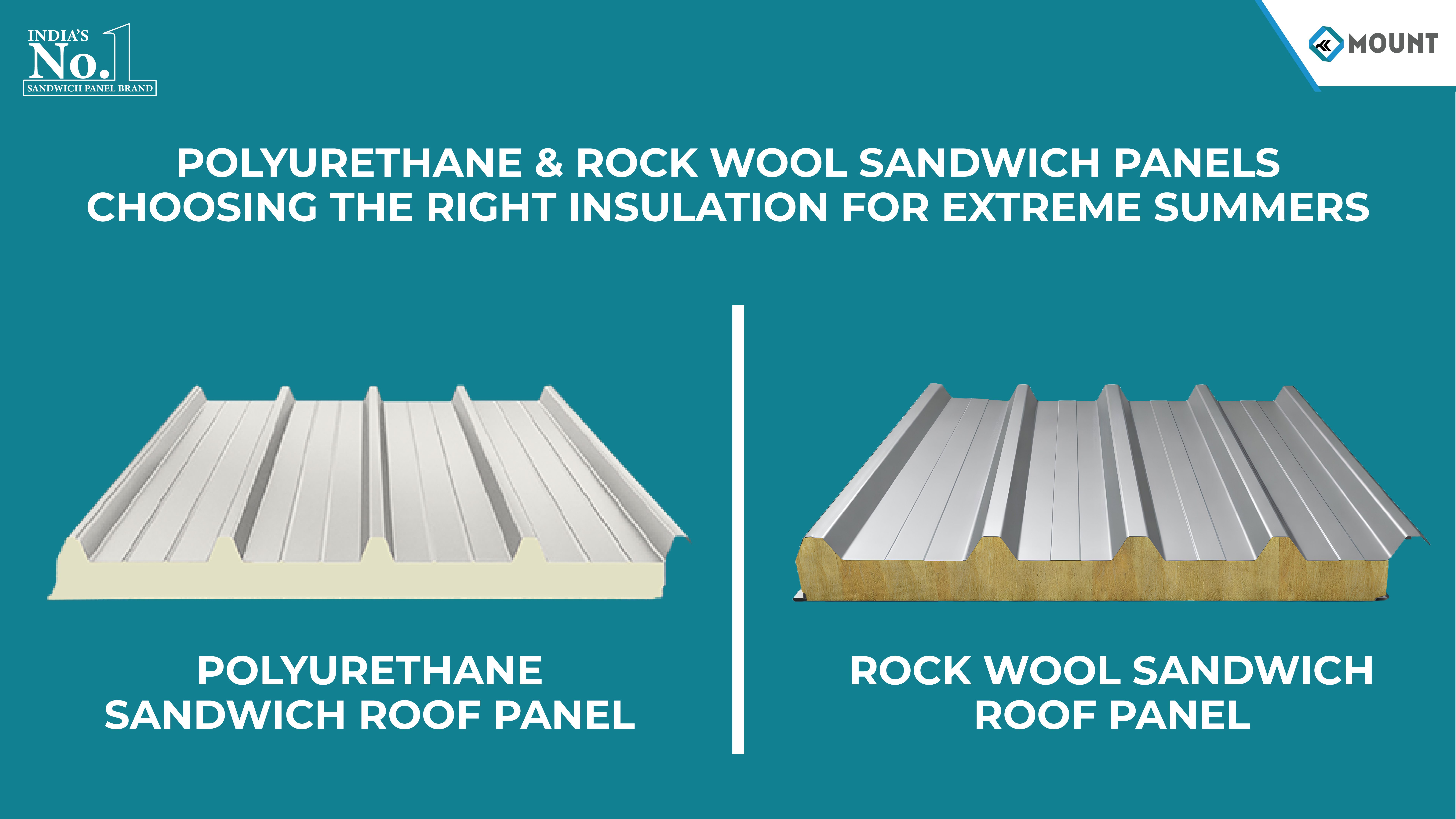
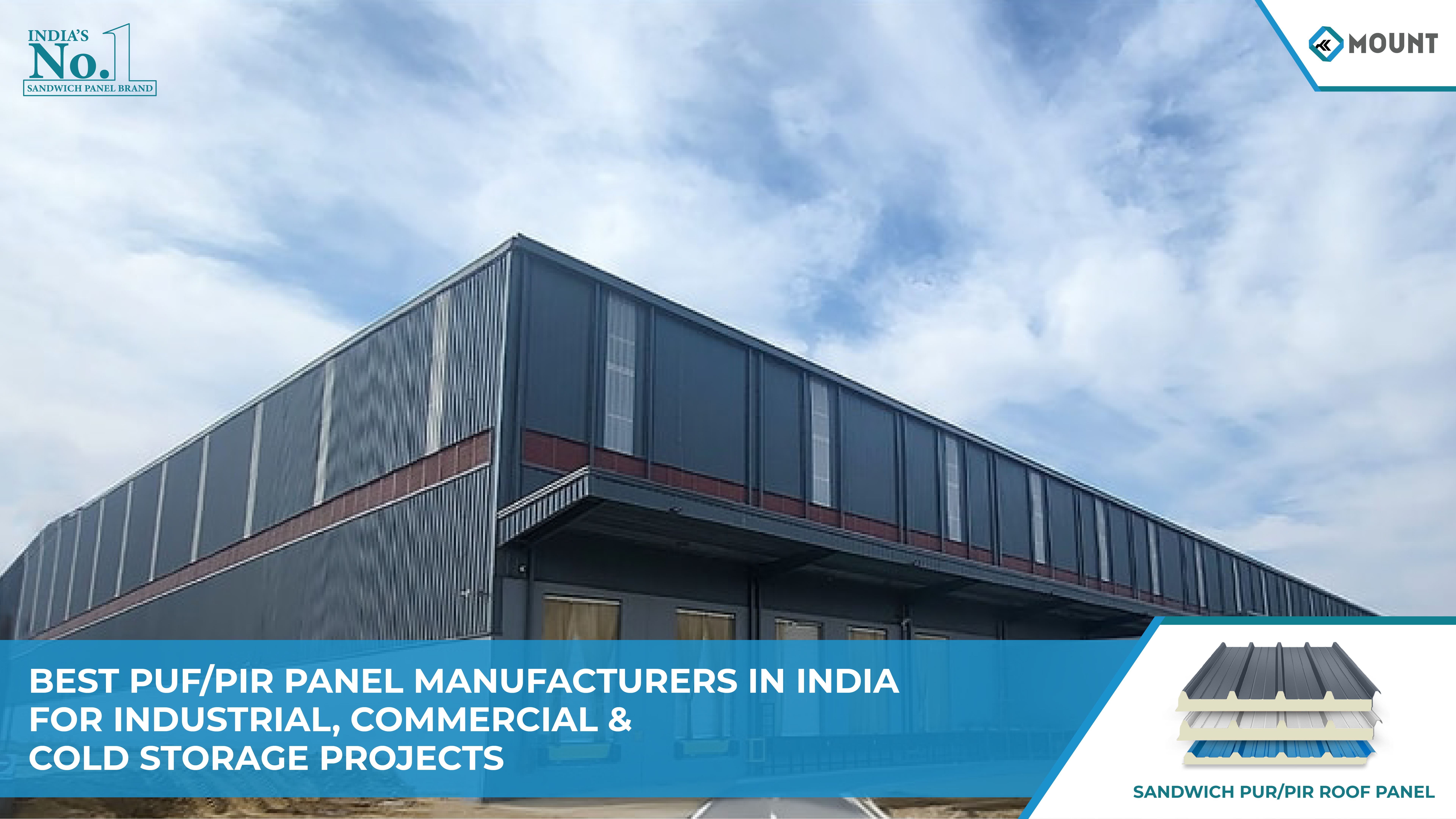
The integration of insulated panels for steel buildings is the catalyst for this efficiency. By utilizing high-density core materials, these panels serve a dual purpose: they act as the structural skin and a high-performance thermal barrier. As a Top PUF Panels Manufacturer And Suppliers In India, Mount provides systems that achieve a thermal break far superior to traditional brick-and-mortar.
Key advantages of our envelope strategy include:
- Reduced Heat Gain: The high R-value of pre-engineered building panels prevents the interior from becoming a heat trap during the erection phase.
- Coordinated Geometry: By using peb roofing panels with precision-lapped joints, we eliminate thermal bridges that typically degrade energy efficiency in industrial warehouses.
- Rapid Weathering: Our roofing panels for steel structures can be deployed at a rate that traditional roofing cannot match, effectively “locking” the site against summer monsoons that often follow peak heat.
Logistics and Workflow Optimization
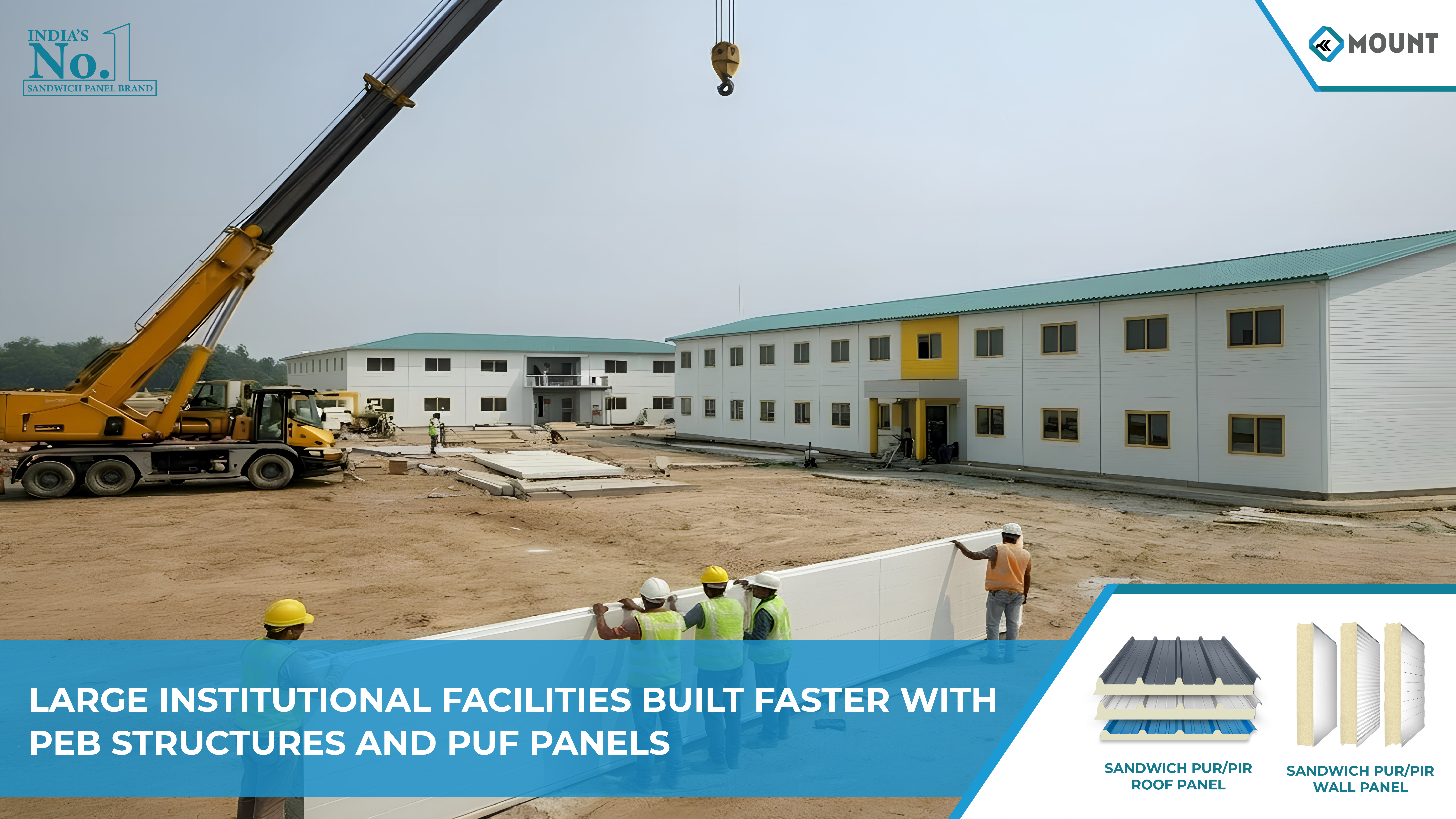
Summer construction requires a delicate balance of crane logistics and labour management. High temperatures often dictate shorter windows for high-intensity physical labor. Because PEB systems rely on heavy-duty mechanical lifting and systematic bolting, the physical strain on the workforce is significantly reduced compared to the labor-intensive process of rebar tying and formwork.
At Mount, we optimize crane positioning and erection sequences to maximise productivity during cooler morning hours. Since our components are pre-marked and sequenced for immediate assembly, there is no “downtime” waiting for materials to set or dry. This predictability is why a specialised Pre Engineered Building Construction Company can often deliver a facility 30% to 50% faster than conventional contractors during the summer months.
Why Industry Leaders Partner with Mount Roofing and Structures
Choosing Mount isn’t about sourcing a vendor; it’s about engaging a technical partner that understands the intersection of metallurgy and meteorology. Our engineering department uses advanced BIM modelling to simulate thermal loads, ensuring that every pre-engineered building panel configuration is optimized for the specific micro-climate of your site.
We don’t just supply materials; we engineer resilience. By vertically integrating the manufacturing of insulated panels for steel buildings, Mount maintains total control over the supply chain, ensuring that high-demand summer projects never face the bottleneck of third-party delays.
FAQs
Q: How does Mount manage the coefficient of thermal expansion in long-span steel warehouses?
A: We utilise bypass girts and sliding clips in our steel building roofing panels to allow for longitudinal expansion. This prevents the “oil-canning” effect and fastener shear that often occurs in inferior installations during extreme heat.
Q: Can PUF panels be installed during high-wind summer dust storms?
A: Our installation protocols include specific wind-load bracing for peb roofing panels during the “unpinned” phase of construction. We utilise interlocking tongue-and-groove profiles that provide immediate lateral stability upon placement.
Q: How does the R-value of your panels compare to traditional industrial walls?
A: The insulated panels for steel buildings supplied by Mount offer a thermal resistance that is up to 10 times higher than a standard 9-inch brick wall, significantly reducing the CAPEX required for HVAC systems.
Q: Does the factory-applied coating on your panels resist UV degradation?
A: Yes, we use high-grade SMP or PVDF coatings on all roofing panels for steel structures. These are chemically engineered to reflect solar radiation and resist chalking or fading under intense UV exposure.
Q: How does the bolting torque remain consistent if the steel expands in the sun?
A: We follow AISC specifications for “snug-tight” and “pretensioned” joints. Our engineering team accounts for the ambient temperature during the calibration of tension-control bolts to ensure the clamping force remains within safety limits regardless of the mercury.
Similar Events