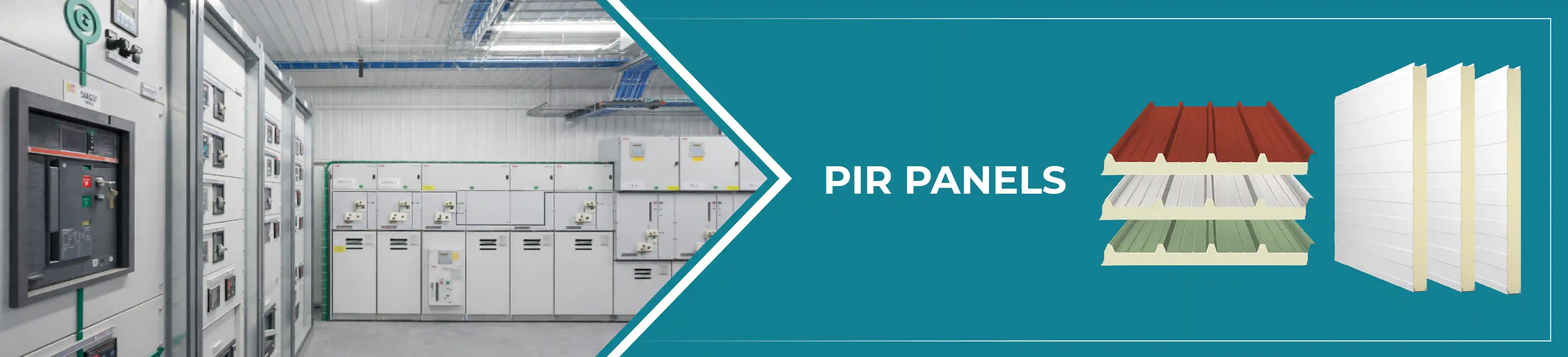
Fire Retardant PIR Panels
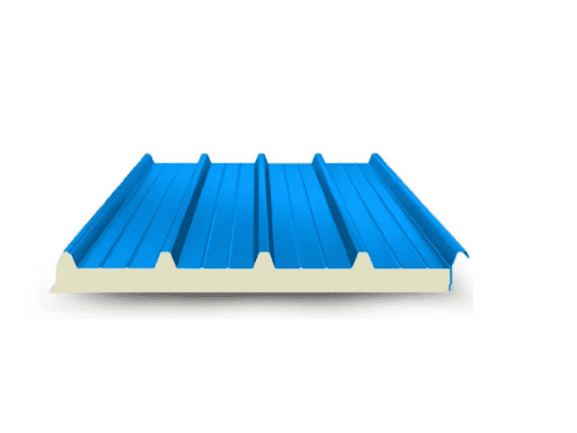
Fire Retardant PIR (Polyisocyanurate) Panels are insulated sandwich panels manufactured with a PIR foam core bonded between metal facings. As part of the broader category of Fire Rated Sandwich Panels, PIR panels provide an engineered balance between thermal efficiency and fire performance.
Commonly specified as Fire Rated PIR Panels in industrial and commercial projects, these systems are selected where insulation performance is required alongside improved fire characteristics within the building envelope.
How Fire Retardant PIR Panels Work
Fire Retardant PIR panels function as composite insulated building elements:
The PIR foam core reduces heat transfer and contributes to fire retardant behaviour.
The metal facings provide structural rigidity and surface protection.
The jointing system connects panels to form a continuous insulated enclosure.
Controlled manufacturing ensures consistent core density and bonding quality.
Performance depends on panel thickness, installation detailing, structural design, and fire classification standards applicable to the project.
PIR Panel Variants
Mount Fire Retardant PIR Panels are available in configurations based on application needs:
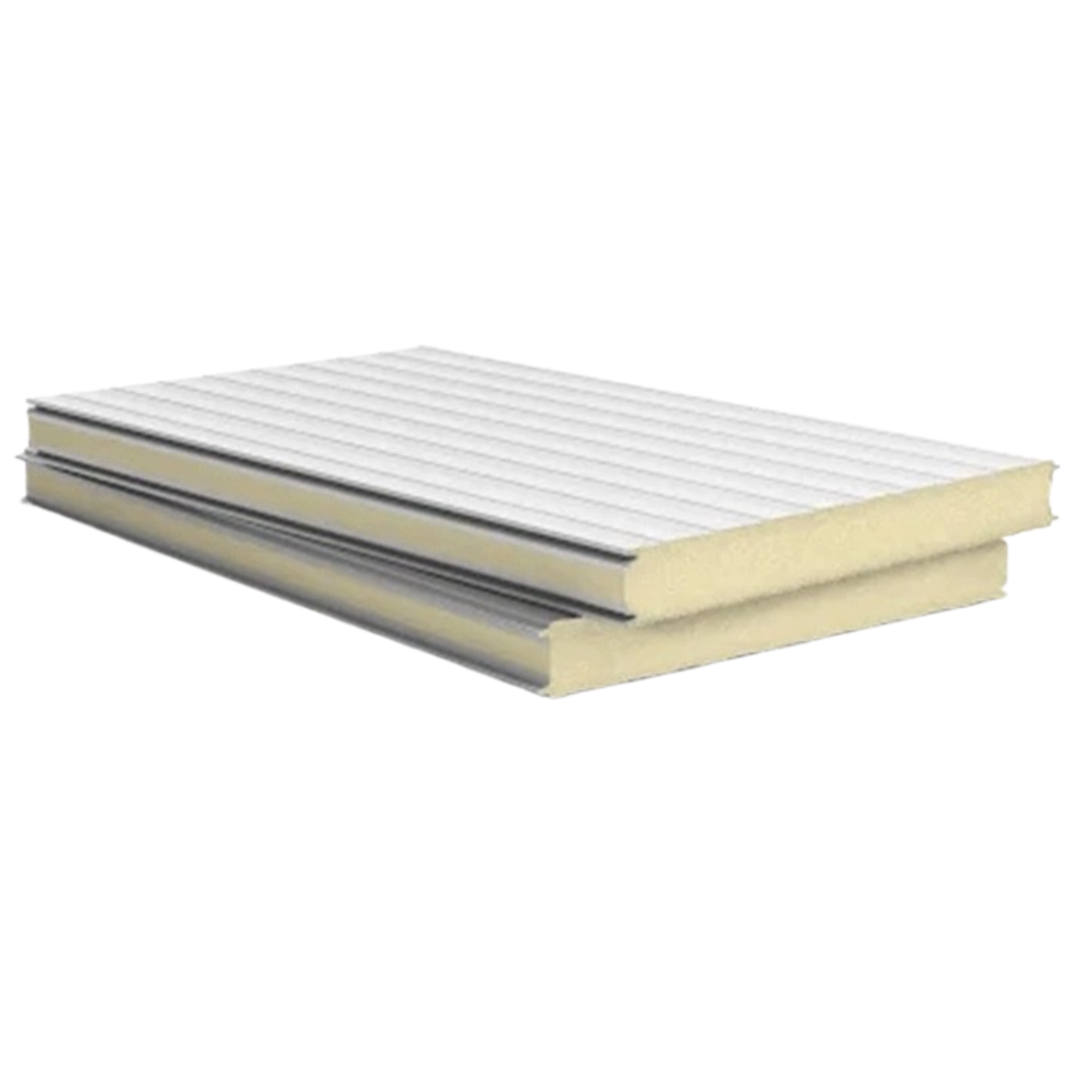
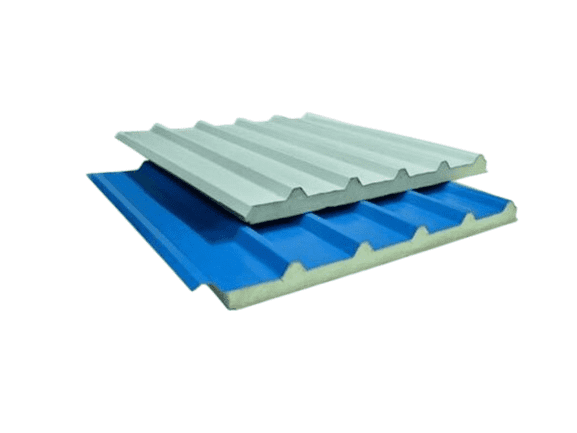
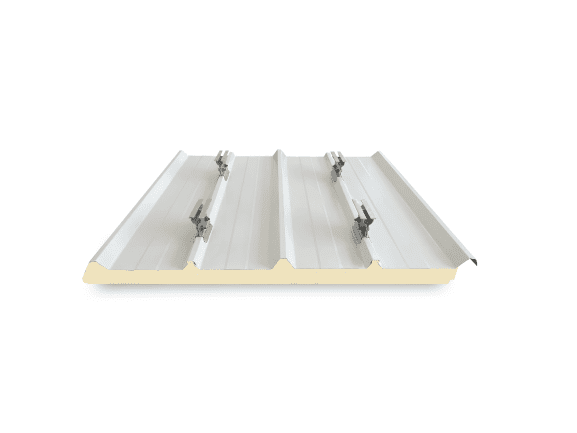
| Variant | Primary Use | Key Functional Difference |
|---|---|---|
| PIR Roof Panel | Industrial & commercial roofing | Profiled for drainage and span performance |
| PIR Wall Panel | External & internal walling | Insulated vertical enclosure |
| PIR Hidden Tongue & Groove | Controlled environments | Concealed joint for flush finish |
| PIR Solar Profiled Roof Panel | Solar-ready roofing | Profile supports solar mounting compatibility |
Selection depends on structural requirements, fire performance expectations, and operational needs.
Attributes

Improved Fire Behaviour
Polyisocyanurate (PIR) insulation forms a thermally stable cross-linked structure that supports controlled fire behaviour within building envelope systems.

Low Thermal Conductivity
The rigid PIR foam core limits heat transfer across roof and wall assemblies, supporting energy-conscious building design.

Dimensional Stability Under Heat
The PIR matrix maintains structural integrity under sustained heat exposure, supporting predictable insulation performance.

Lightweight Insulated Construction
As a Factory-bonded double-skin metal-faced insulated panel system, PIR panels deliver structural enclosure performance without imposing excessive dead load on the primary frame.
Available Joints
Mount’s panel joint configurations ensure precise alignment, secure interlocking, and effective load transfer, enhancing structural continuity, air and moisture tightness, and installation efficiency while maintaining long-term durability .

Roof Joint

Single Tongue & Groove Joint

Double Tongue & Groove Joint

Hidden Tongue & Groove

Camlock Joint

M Section
Accessories
Mount Roofing & Structures provides engineered panel accessories designed to support installation accuracy, system compatibility, and enclosure performance across insulated panel applications.
These accessories are developed to integrate seamlessly with Mount panel systems, ensuring coordinated detailing, structural alignment, and long-term operational reliability across industrial, commercial, cleanroom, and cold storage projects.
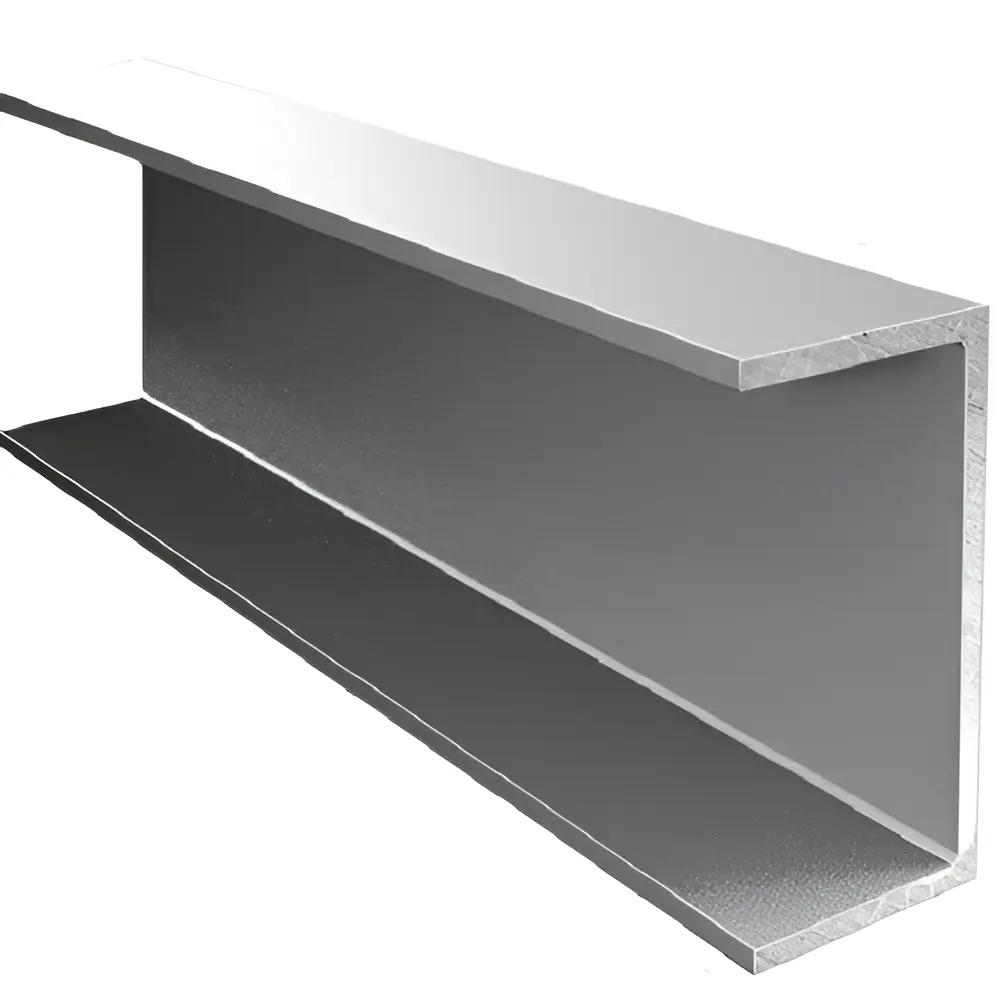
Bottom C Flashing
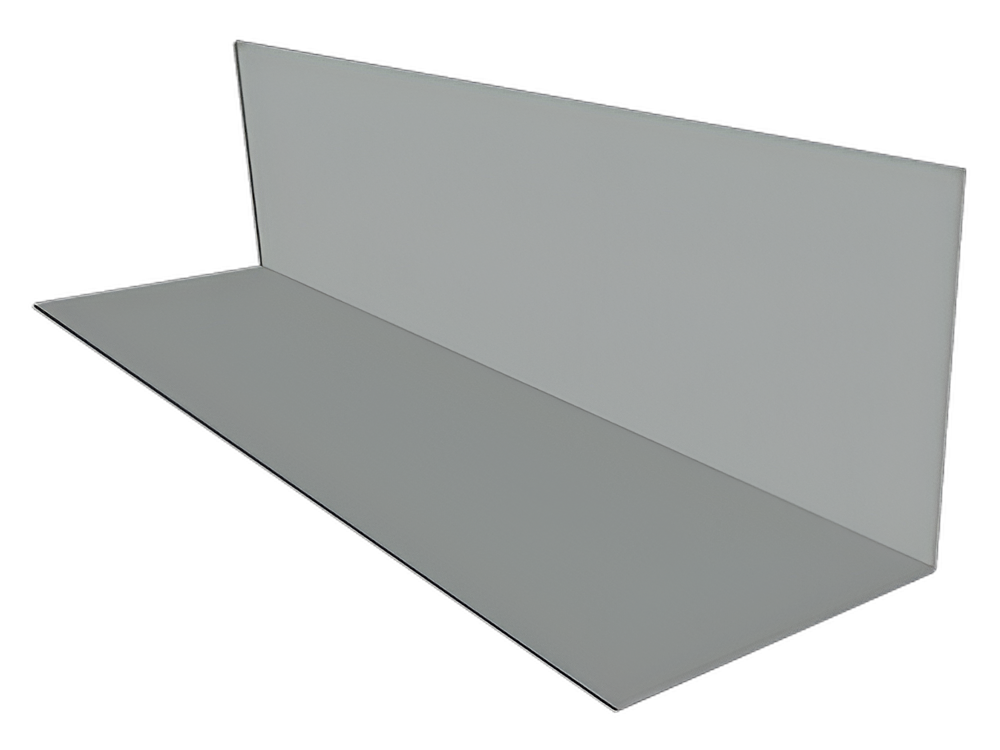
L Flashing (Inner and Outer)
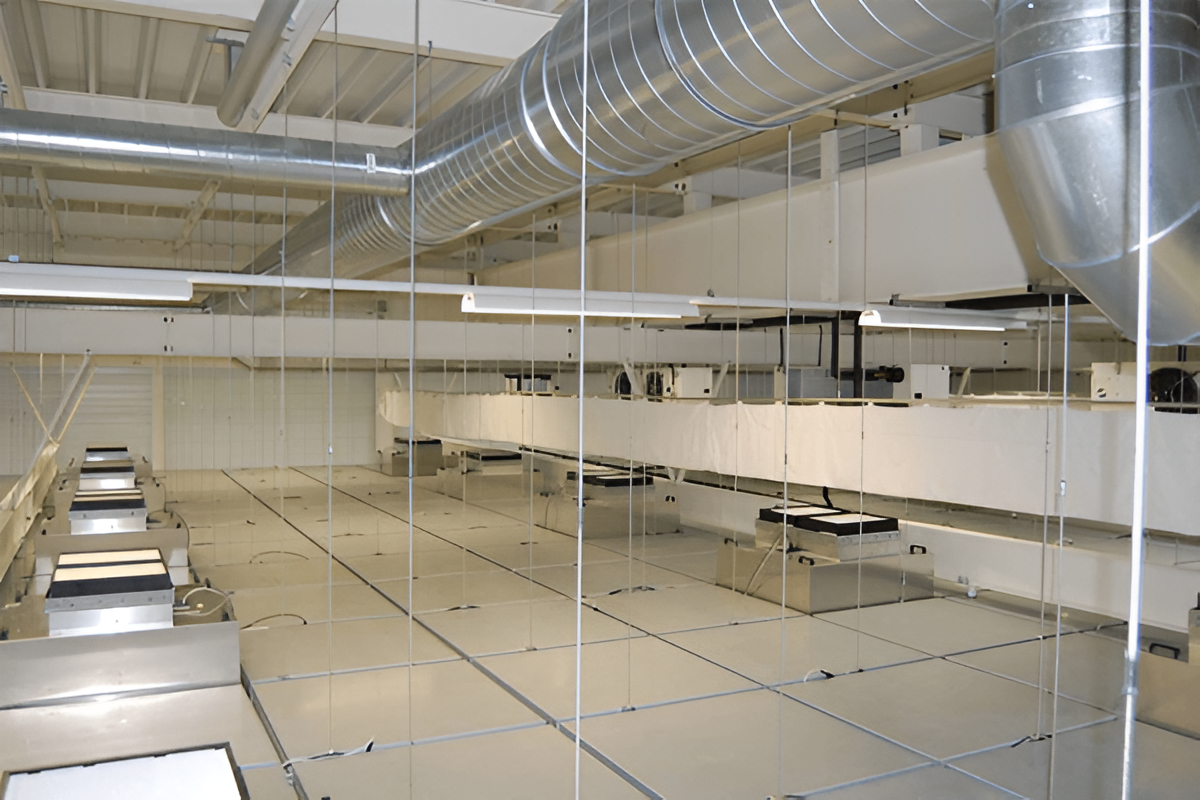
Walkable Ceiling Panels
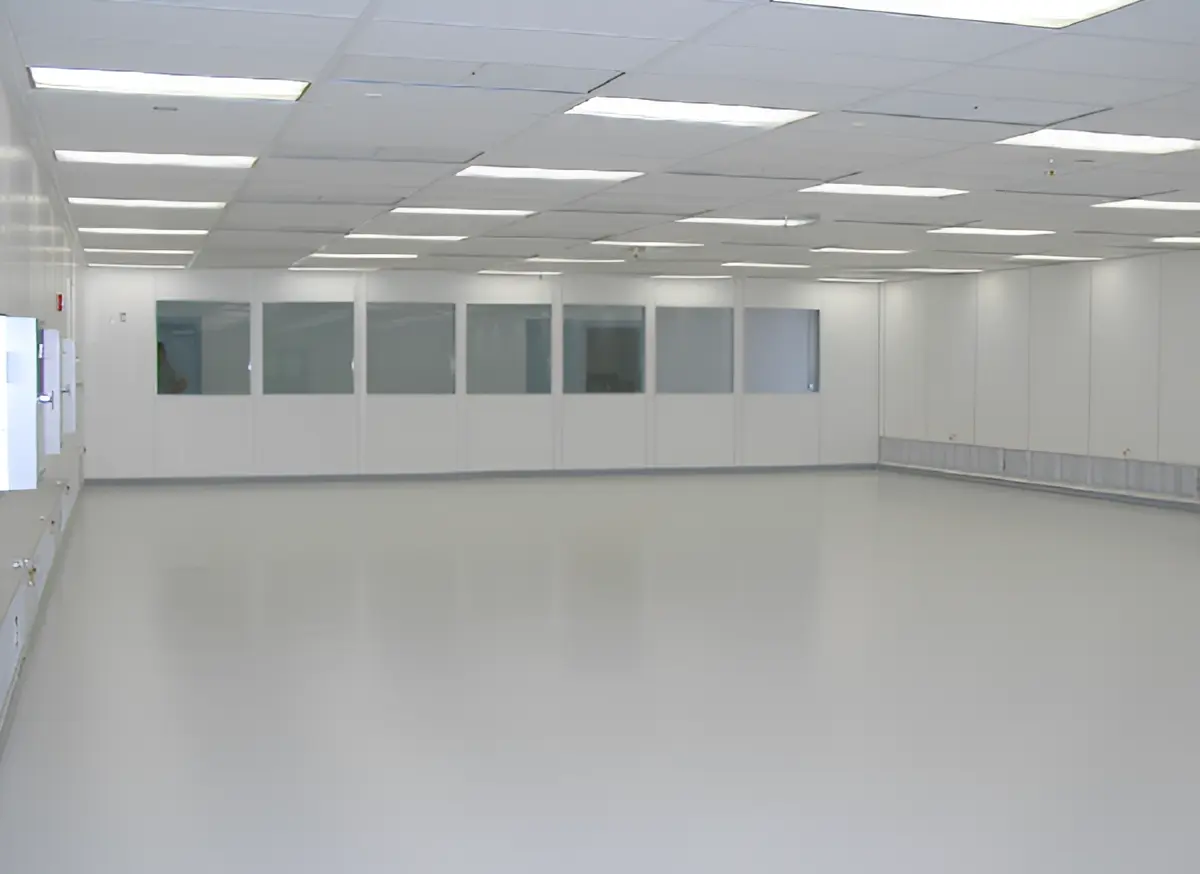
Non-Walkable Ceiling Panels
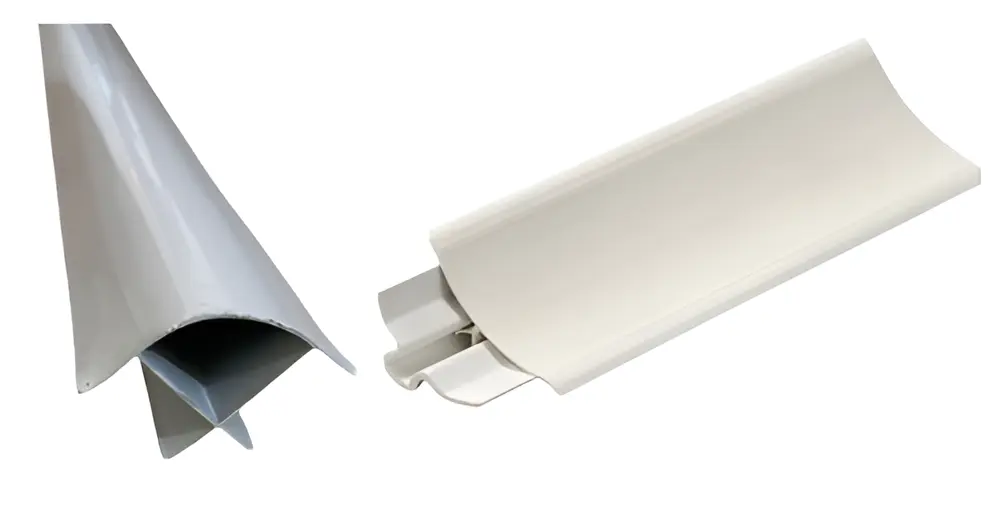
Inner and Outer Covings
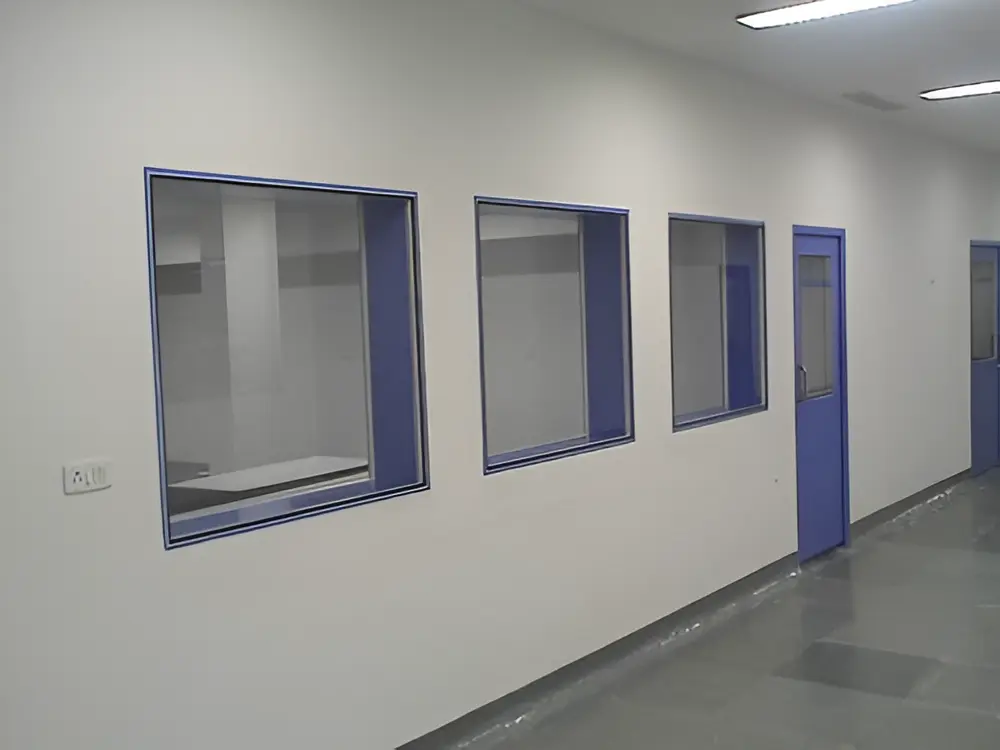
View Panels
Applications
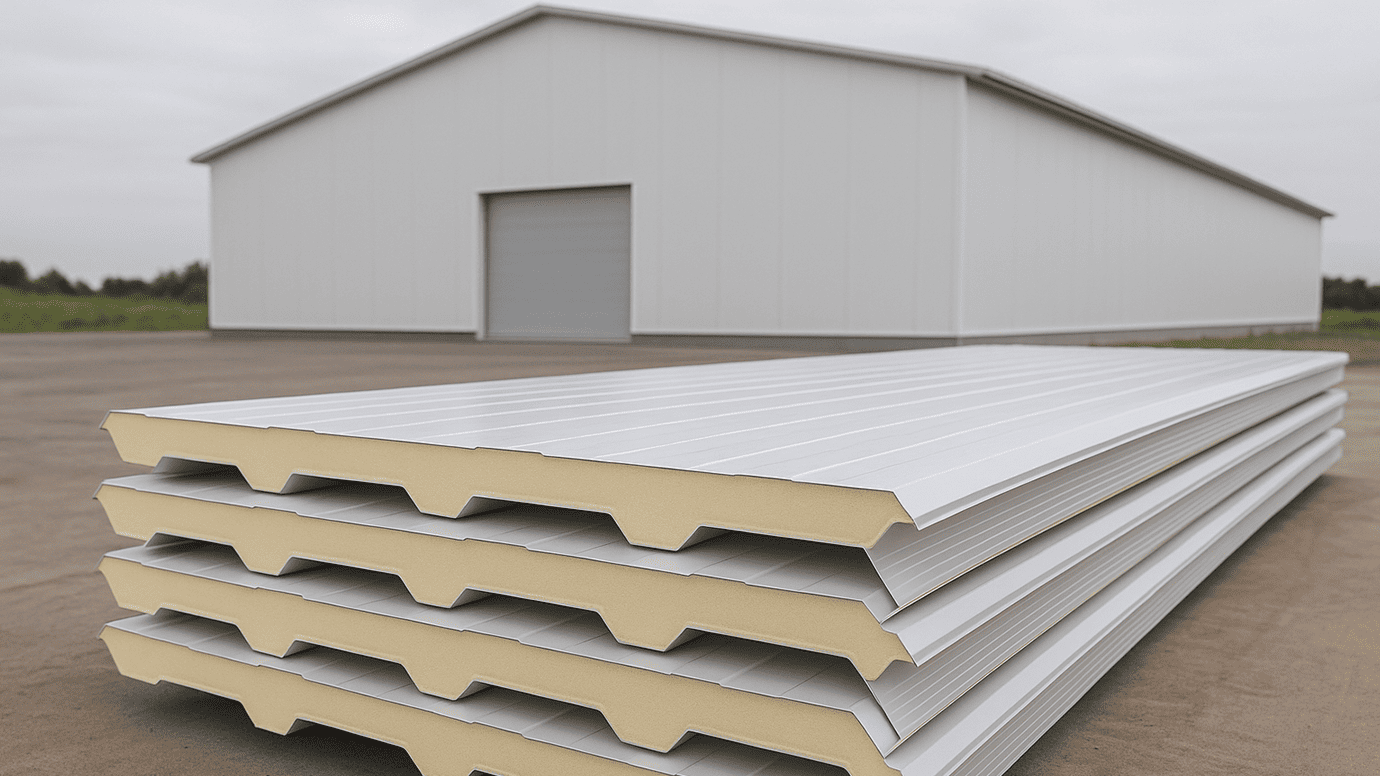
Industrial Sheds
Provide insulated roof and wall systems with improved fire behaviour.
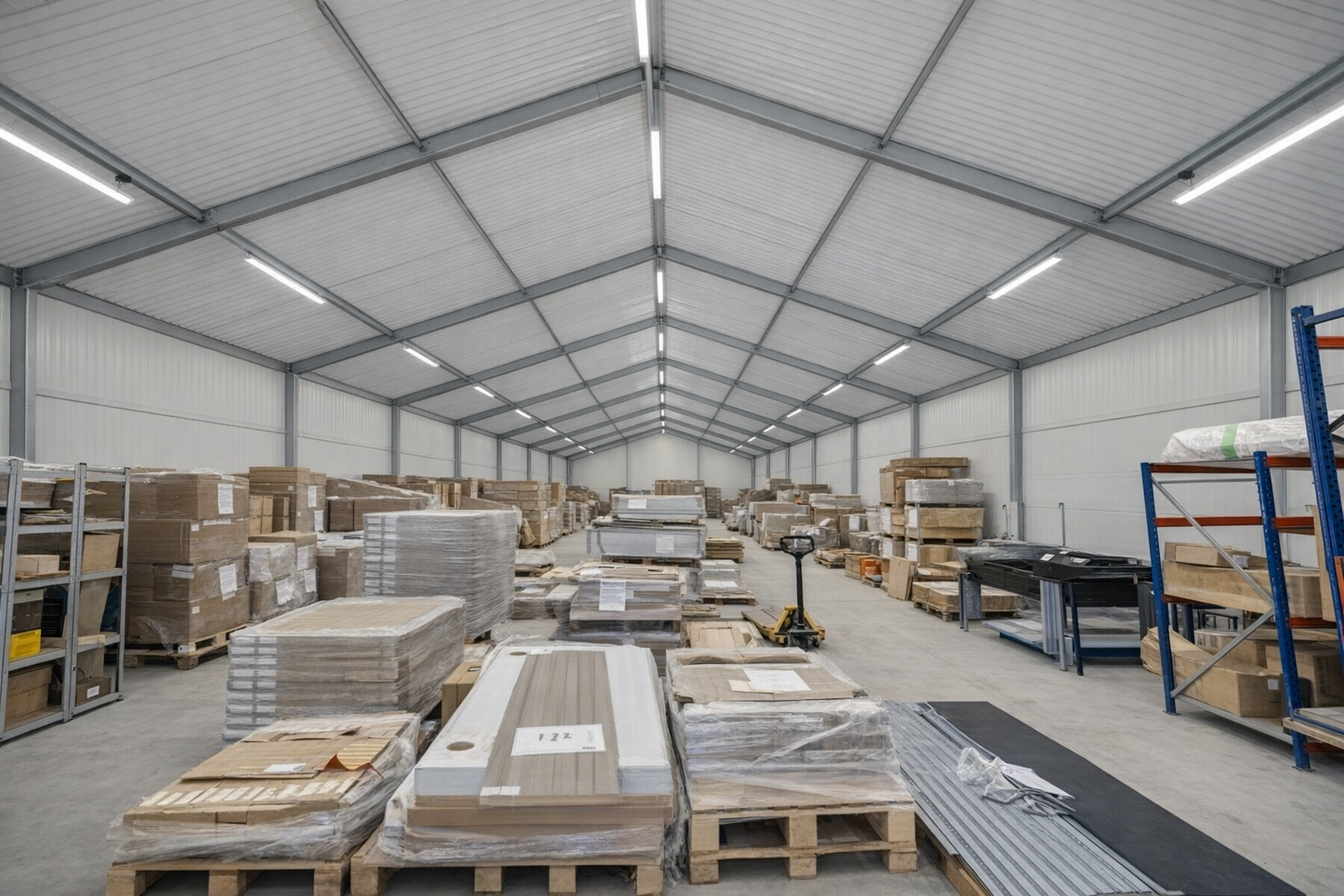
Warehouses
Support insulated building envelopes in storage facilities requiring enhanced fire performance.
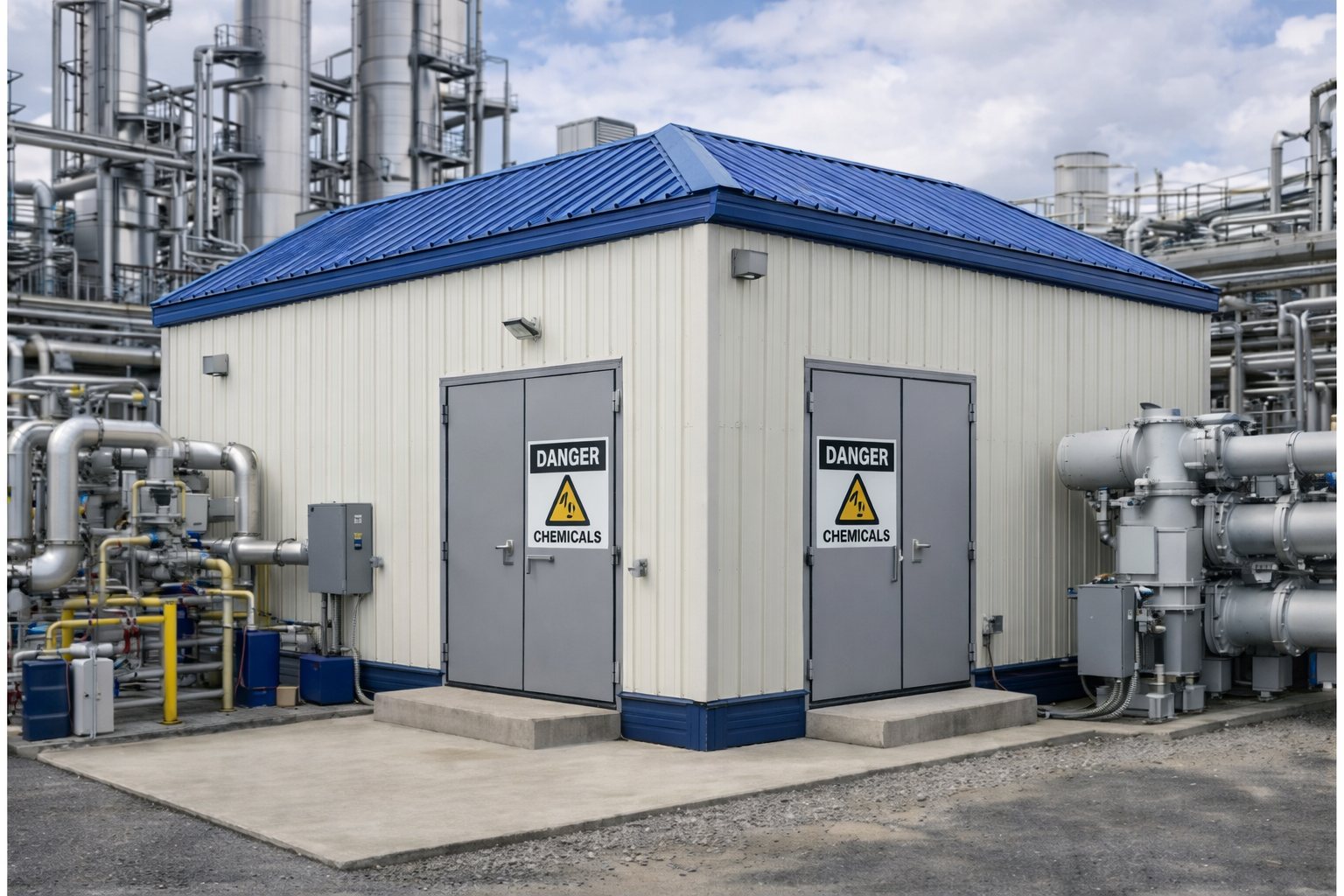
Chemical Processing Buildings
Suitable for insulated enclosures in controlled industrial environments.

Automotive Plants
Used in large-span factory buildings where thermal insulation and fire-conscious construction are required.
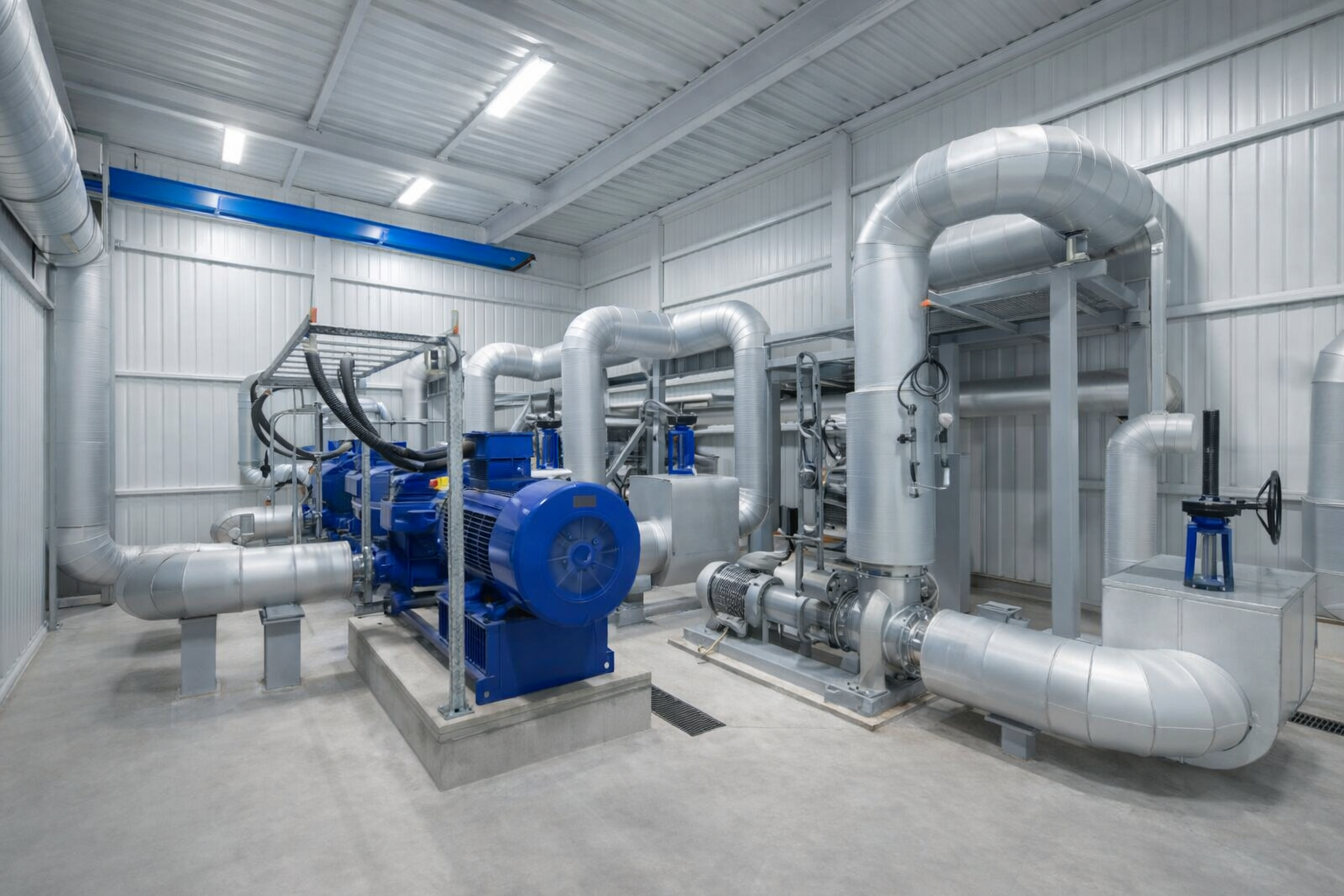
Power Plant Service Buildings
Reduce thermal transfer in auxiliary and support structures.
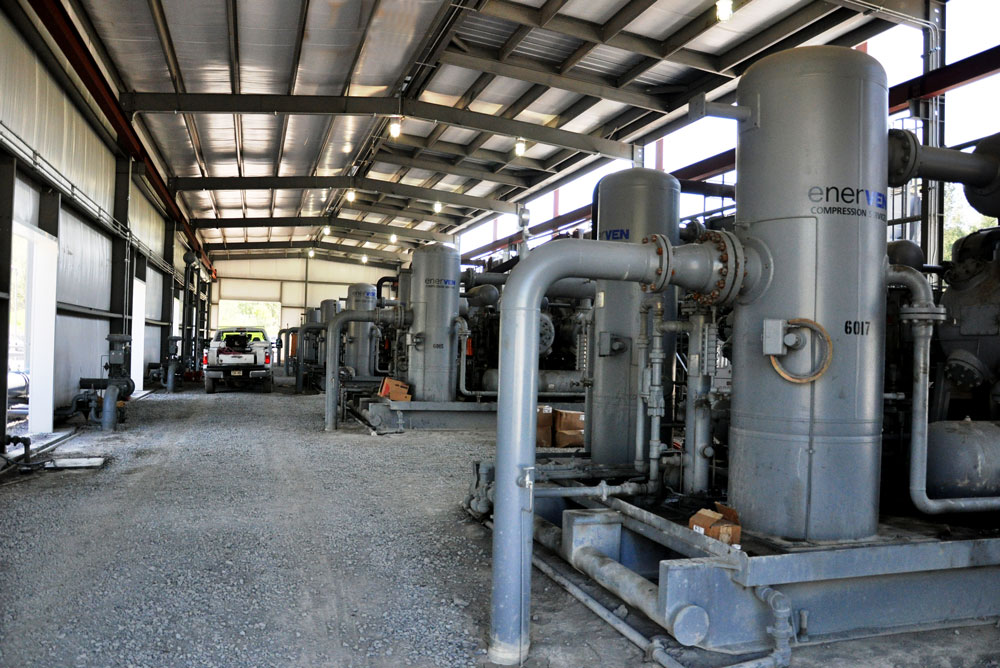
Oil & Gas Support Buildings
Applicable in non-hazardous operational buildings requiring insulated enclosure systems.
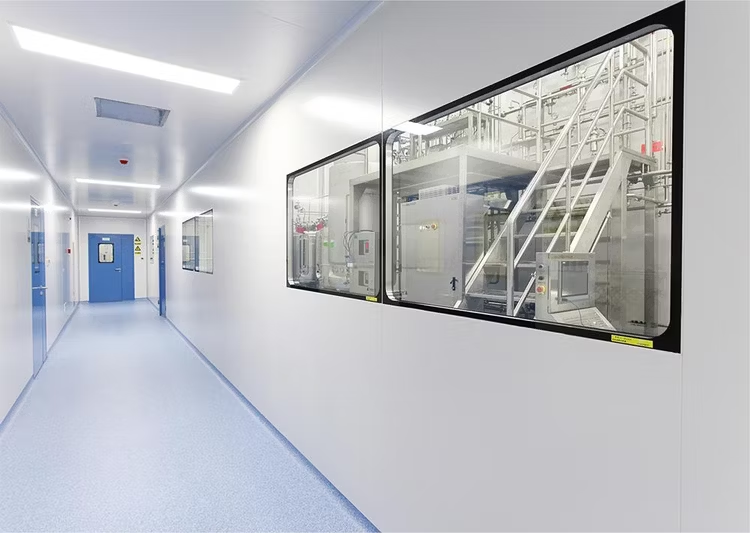
Pharmaceutical Manufacturing Units
Provide insulated and compliant building envelopes for regulated production facilities.
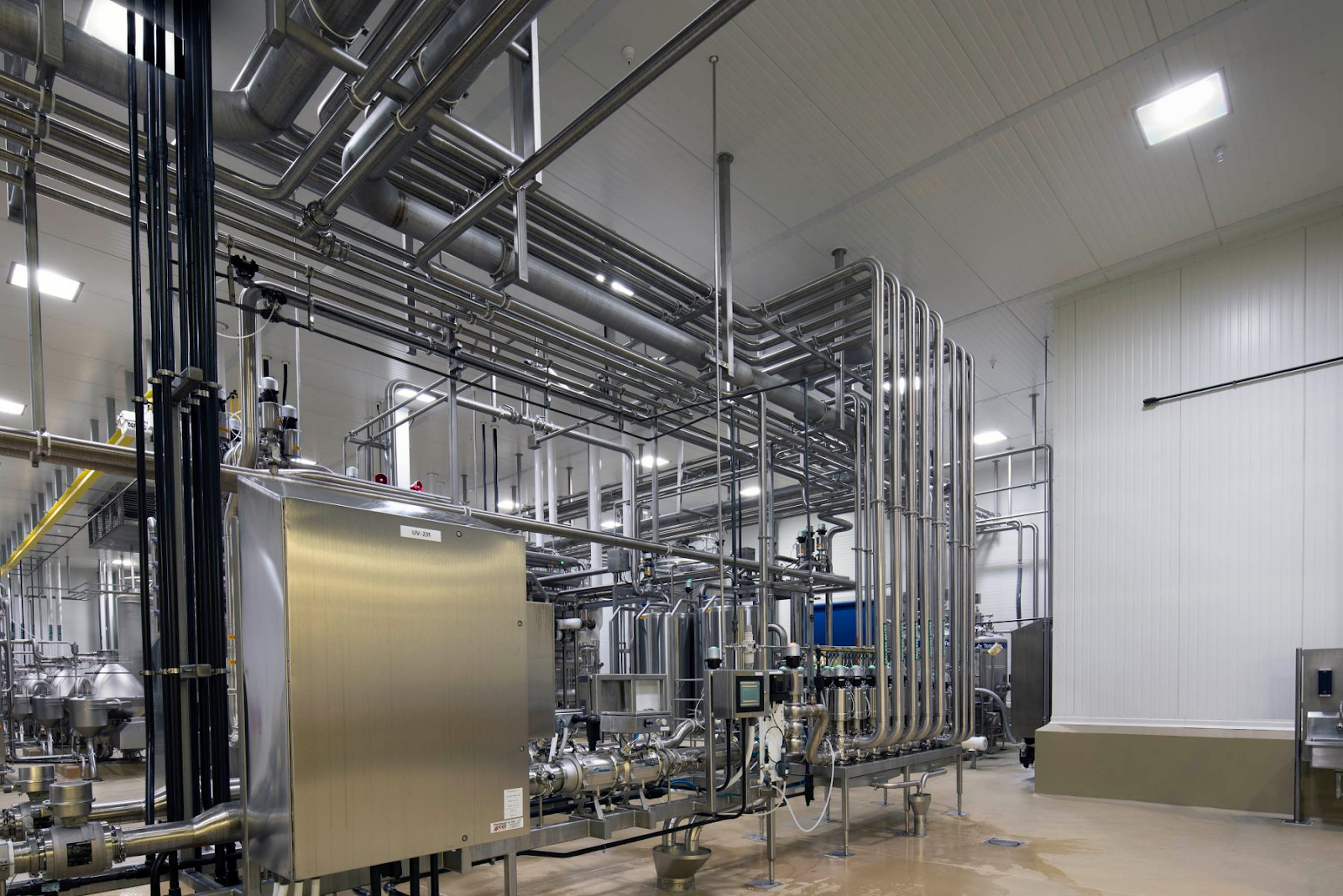
Food Processing Facilities
Support thermally stable enclosures in temperature-managed production areas.
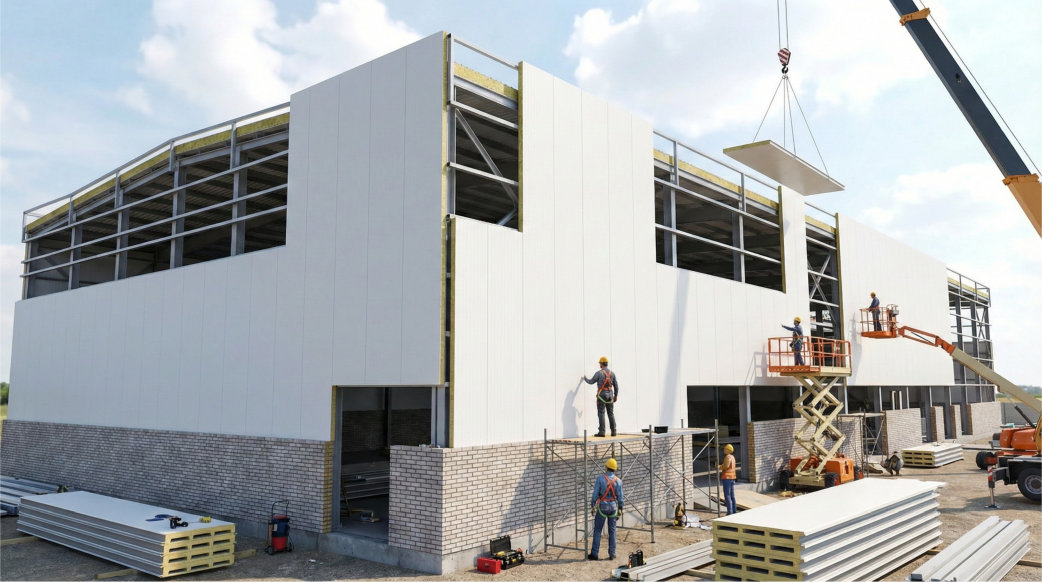
Commercial Industrial Buildings
Used in insulated roof and wall systems for industrial parks and mid-scale developments.
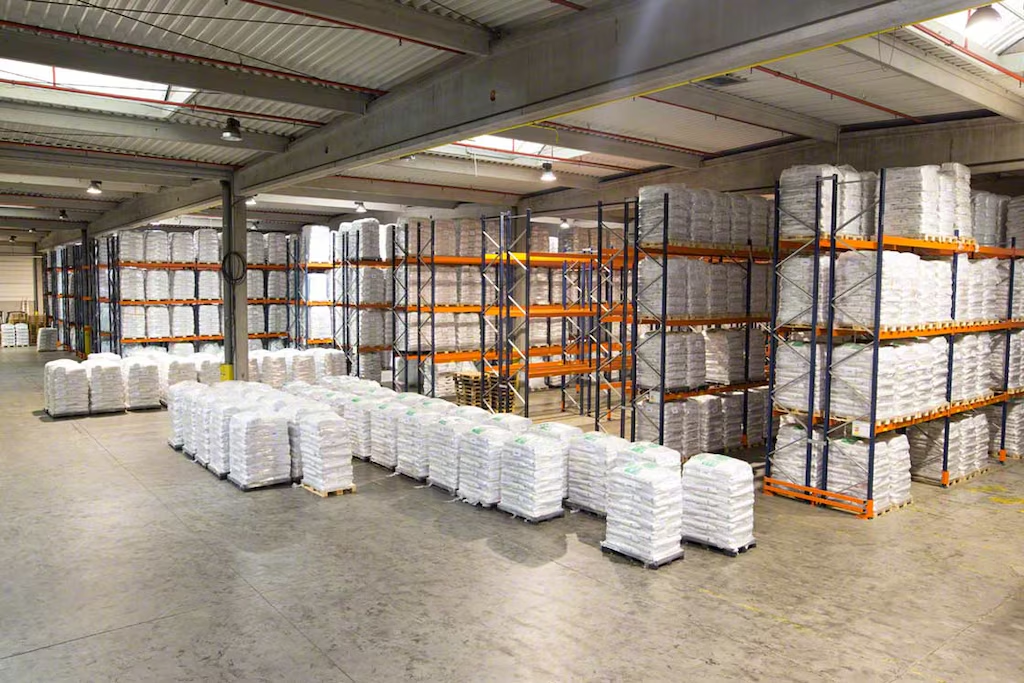
Engineering Workshops
Help manage internal heat conditions in enclosed workshop structures.
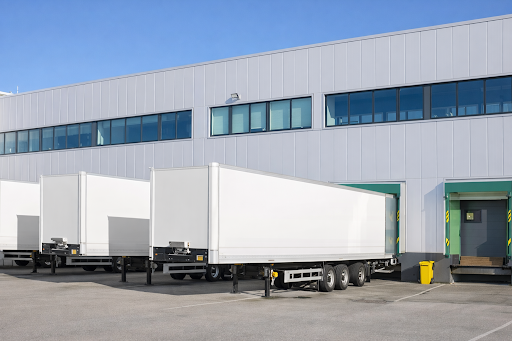
Distribution Centres
Provide insulated roofing and wall systems for logistics hubs storing mixed goods.
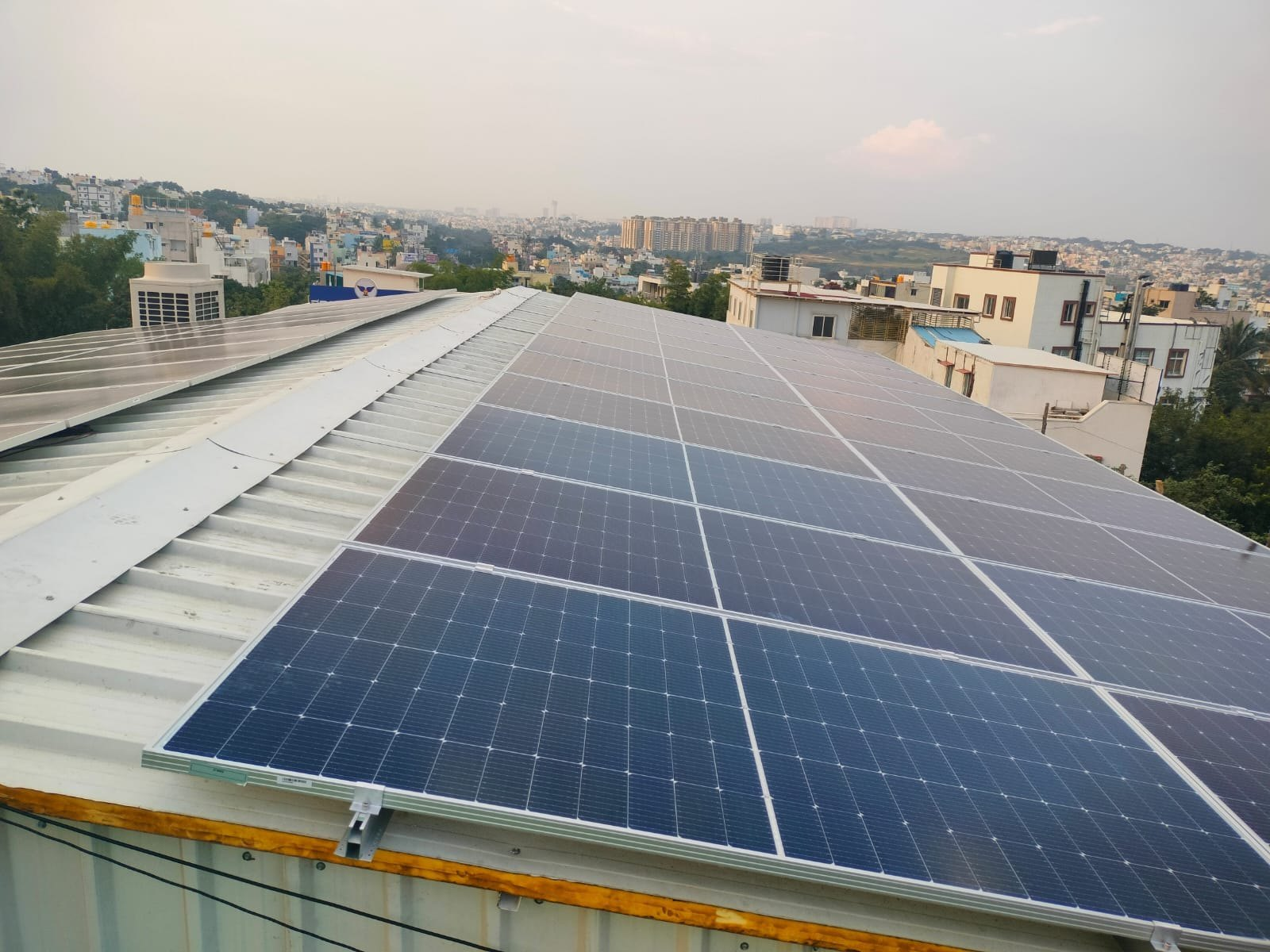
Buildings with Rooftop Solar Panels
Solar-compatible profiled variants allow photovoltaic installation while maintaining insulation continuity.
Why Mount Fire Retardant PIR Panels
Mount Roofing & Structures manufactures insulated panel systems designed to integrate with steel building solutions. Fire Retardant PIR panels are produced with controlled core density and metal facings to meet project-specific insulation and fire performance requirements.
Mount’s system-based approach allows coordination between:
Structural steel systems
Roofing and wall panel systems
Fastening and joint detailing
Panel selection and specification are aligned with structural and regulatory requirements.
What our client's say
Mount exceeded expectations with their PEB solutions. Their roofing expertise, showcased in our project, reflects top-notch quality and aesthetics. The team's commitment to delivering excellence ensures they are our go-to construction partner

Mount is synonymous with superior PEB solutions. The roofing system installed in our office is a testament to their precision and reliability. The team's commitment make Mount Roofing our trusted construction ally.
Mount provided exceptional PEB solutions. Their roofing system, installed at our facility, is a testament to quality and precision. Mount Roofing & Structures Pvt Ltd team’s commitment to excellence make them our preferred construction partner.
I appreciate Mount outstanding PEB solutions. Their roofing expertise transformed our commercial space, showcasing durability and aesthetics. Kudos to the team for their professionalism and top-notch construction services.
White colour PUF Panels with 50 mm thickness were used in our food-processing unit. Mount’s material quality is unmatched in the industry.
Mount’s PUF Panels gave our factory excellent insulation and a sleek finish. Their team ensured a smooth installation with quality materials at the right PUF Panel Price
We used PUF Roofing and PUF Roof Sheets for our warehouse. The heat reduction was impressive and the installation was quick. Highly satisfied with Mount’s workmanship
The 30 mm PUF Panels from Mount worked perfectly for our temporary cabins—lightweight yet strong. Energy efficiency has improved notably since installation.
For our pharmaceutical clean room, Mount’s PUF Clean Room Panels provided perfect hygiene and insulation. The seamless joints met every GMP requirement.
We used PUF Cool Panels for our cold storage chambers. Temperature consistency improved and maintenance costs dropped dramatically
Mount offered us 50 mm PUF Panels for roofing and PUF Wall Panels for side cladding. Both performed well under high humidity and ensured thermal balance.
Mount’s Fireproof PUF Panels gave us peace of mind for our production area. The panels are certified and offer both fire and thermal protection.
Our administrative office now uses PUF Sandwich Panels from Mount. The workspace stays cooler, and the installation team completed the project on time.
Mount supplied PUF Roofing Panels for our workshop. The structure looks modern and stays comfortable year-round. Great value for the PUF Panel Price.
We selected Grey colour PUF Panels in 30 mm thickness for our retail outlet. They blended well with the design and provided excellent insulation.”
The 20 mm to 200 mm PUF Panels range from Mount suits multiple applications. We used 100 mm for walls and 40 mm for ceilings in our packaging unit
For our engineering unit, we used PUF Wall Panels with 80 mm thickness. Mount delivered on time and the thermal results are excellent
Mount’s PUF Roofing combined with polycarbonate sheets offered natural light and strong weather resistance for our factory floor.
Our logistics center is built with Pre-Engineered Buildings from Mount. The integration with PUF Roof Panels reduced construction time and cost
We selected Fireproof PUF Panel solutions from Mount for our chemical storage zone. The safety rating and quality are top-notch.
The PUF Wall Panels installed in our office block look elegant and help maintain a steady internal temperature. Excellent finish quality.
Mount’s PUF Sheets provided both insulation and soundproofing for our conference rooms. Great material consistency and professional service.
The 50 mm PUF Panels used in our canteen roof helped cut air-conditioning costs. Mount’s after-sales support is also commendable
We used Green colour PUF Panels for our factory facade. They look vibrant and perform exceptionally in heat insulation
Our clean room uses PUF Clean Room Panels from Mount. Smooth finish, easy maintenance, and reliable insulation—ideal for pharma use.
Mount PUF panels keep our factory cool and comfortable even during peak summer. The quality is excellent, installation was quick, and we’ve noticed real energy savings.”
The panels are lightweight yet very strong. Even after months of use, they still look new. Great quality and great service from Mount.”
Our warehouse was completed much faster than expected. Mount’s PEB structure is strong, stable, and perfectly designed.
Our poultry shed built with Mount’s PEB structure is strong and well-ventilated. The birds stay healthy even in summer. Excellent quality!
The dairy shed was completed quickly and the structure is solid. Our animals stay cool even during peak summer.



Trusted By More than, 2000+ Satisfied Customers
Frequently Asked Questions
PIR (Polyisocyanurate) and PUR (Polyurethane/PUF) panels are both rigid foam insulation systems with metal facings, offering strong thermal performance and durability.
The main difference is in their chemistry,PIR has more isocyanurate linkages, while PUR (PUF) is based on polyurethane.
PIR is often selected for applications requiring specific thermal and fire performance standards, while PUR (PUF) is widely used for its excellent insulation, cost efficiency, and versatility.
PIR panels are engineered to deliver enhanced fire performance, including reduced flame spread and improved thermal stability compared to conventional insulation materials. They are manufactured to meet recognized fire safety standards and classifications.
They are commonly used in industrial, commercial, and infrastructure buildings where thermal insulation is required along with enhanced fire performance characteristics within roof and wall assemblies.
Yes. PIR panels are manufactured in both roof-profiled and wall-profiled configurations, allowing use in horizontal roofing systems as well as vertical external and internal wall applications.
Panel thickness is determined based on thermal performance requirements (U-value targets), internal operating temperature, building energy criteria, and structural span considerations.
No special installation method is required. PIR panels are installed using standard mechanical fastening systems compatible with steel structures, following manufacturer guidelines and project specifications.
Yes. When specified with appropriate thickness and joint detailing, PIR panels are suitable for buildings requiring controlled internal temperatures, including industrial and regulated facilities.
Yes. PIR roof panels can be manufactured with solar-compatible profiles that allow clamp-based solar mounting systems, reducing the need for direct sheet penetration and supporting long-term roof integrity.
Fire performance depends on several factors including:
- Core formulation
- Panel thickness
- Facing material type and thickness
- Joint detailing
- Overall system configuration
- Compliance with applicable fire testing standards
Not necessarily. PIR panels are selected when improved fire behaviour and thermal efficiency are required. Rockwool panels are typically specified where non-combustible core performance is mandated by fire regulations or insurance requirements. Final selection depends on project-specific fire classification and regulatory criteria.