 Dec 10, 2025
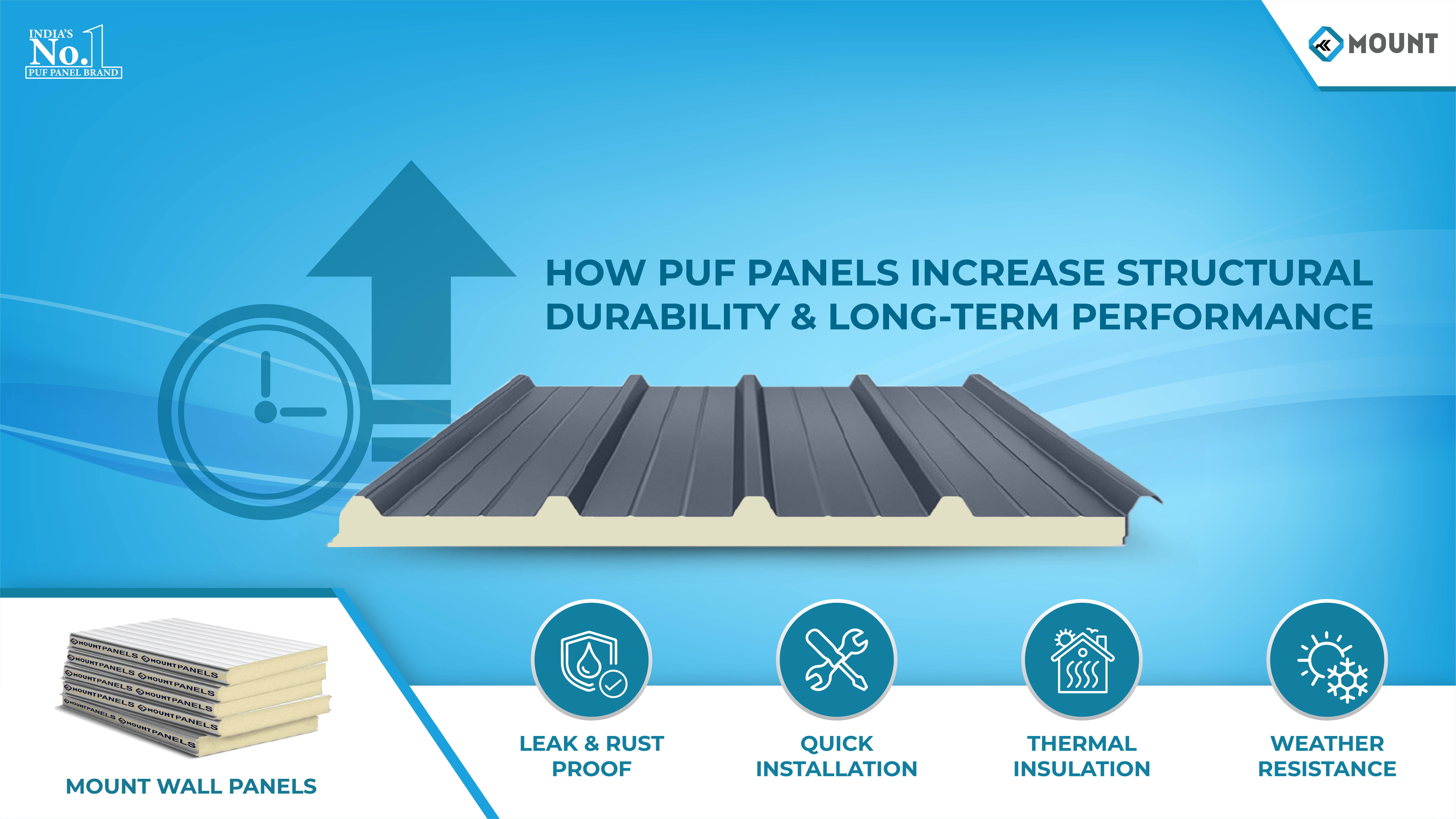
How PUF Panels Increase Structural Durability and Long-Term Performance
Modern construction demands materials that combine strength, efficiency, and longevity. PUF Panels have emerged as a revolutionary solution for builders and architects seeking superior structural performance. These advanced building materials offer exceptional durability while maintaining lightweight properties that reduce overall construction costs. When planning industrial, commercial, or agricultural projects, understanding how polyurethane foam technology enhances building lifespan becomes crucial for making informed decisions. Mount specialises in delivering high-performance insulated panels that withstand extreme environmental conditions and provide decades of reliable service. The innovative design of these composite structures addresses multiple construction challenges simultaneously, from thermal efficiency to weather resistance. This comprehensive guide explores how these engineered panels contribute to structural integrity and why they represent a smart investment for long-term building performance.
Superior Moisture Resistance and Corrosion Prevention
One of the most significant advantages of polyurethane foam insulation is its exceptional resistance to moisture penetration. Unlike traditional building materials that absorb water and deteriorate over time, the closed-cell structure creates an impermeable barrier. This moisture-blocking capability prevents rust formation on metal surfaces and eliminates the risk of material degradation. Wall PUF panels installed in humid environments maintain their structural integrity for decades without showing signs of weakness. The core insulation repels water molecules effectively, ensuring that internal components remain dry and protected. Industrial facilities located in coastal regions particularly benefit from this rust-free exterior performance. Mount’s advanced manufacturing process ensures consistent cell structure throughout each panel, maximizing moisture resistance. Buildings equipped with these protective barriers require significantly less maintenance compared to conventional construction methods.
Exceptional Wind and Load-Bearing Capacity
Structural engineers recognise the importance of materials that can withstand substantial wind forces and heavy loads. The rigid outer layers of Sandwich PUF Panels provide remarkable strength while maintaining minimal weight. This strength-to-weight advantage allows buildings to resist hurricane-force winds and heavy snow accumulation without compromising stability. The composite design distributes forces evenly across the entire surface, preventing localised stress concentrations. PUF Panel Thickness options ranging from 20mm to 200mm accommodate varying load requirements for different applications. Mount offers engineered solutions that meet specific regional building codes and environmental demands. The interlocking joint system enhances overall structural rigidity by creating continuous load paths. Testing demonstrates that properly installed panels can withstand wind speeds exceeding 200 kilometers per hour without failure.
Performance Under Extreme Weather Conditions
Climate variability presents significant challenges for building materials across different geographical locations. Polyurethane foam technology maintains its insulating properties and structural strength across temperature ranges from -30°C to +60°C. Wall Sandwich Panels protect interior spaces from scorching desert heat and freezing arctic conditions equally well. The thermal stability prevents expansion and contraction issues that typically cause cracks in traditional construction. Hailstorms, torrential rains, and intense ultraviolet radiation have minimal impact on panel performance. Mount’s quality control processes ensure each product withstands accelerated weathering tests equivalent to decades of exposure. The protective coatings applied to exterior surfaces resist fading and maintain aesthetic appeal throughout the building’s lifetime. Agricultural structures housing sensitive equipment or livestock particularly benefit from this consistent environmental control.
Minimal Maintenance Requirements and Cost Efficiency
Building owners appreciate materials that deliver long-term value without demanding constant upkeep. The non-porous surface of Sandwich Panels resists dirt accumulation and can be cleaned easily with standard washing techniques. Unlike painted surfaces that require periodic recoating, factory-finished panels maintain their appearance for years. PUF Panel Price considerations must account for lifetime costs rather than just initial investment. Mount helps clients calculate total ownership expenses, including energy savings and maintenance reduction. The absence of joints and seams where water can penetrate eliminates common failure points found in traditional construction. Inspections reveal that buildings constructed with these materials show minimal wear even after twenty years of continuous service. This durability translates into lower insurance premiums and higher property values.
Lightweight Design with Maximum Strength
Traditional building materials often force compromises between strength and weight considerations. A PUF Panel Manufacturer like Mount has perfected the balance between these competing requirements through advanced engineering. The lightweight nature reduces foundation requirements and allows for larger unsupported spans in roof applications. Structural frames supporting these panels can be designed with smaller members, reducing overall construction costs. The high strength-to-weight ratio enables rapid installation, shortening project timelines significantly. Transportation costs decrease when shipping lightweight materials compared to concrete or heavy steel panels. This efficiency extends to labor requirements, as fewer workers can handle and install panels safely. The reduced structural load also allows for renovation of existing buildings without extensive reinforcement.
Long-Term Sustainability and Building Lifespan
Sustainable construction practices prioritise materials that provide extended service life with minimal environmental impact. Quality PUF Panel installations routinely exceed fifty-year lifespans when properly maintained. The thermal efficiency reduces HVAC system workload, preventing premature equipment failure and lowering energy consumption. Mount’s commitment to environmental responsibility includes using manufacturing processes that minimise waste and emissions. The reduced need for heating and cooling directly translates to decreased carbon footprint throughout the building’s operational life. Demolition and disposal considerations favor materials that can be recycled or repurposed at end-of-life. The absence of toxic materials in production ensures worker safety during installation and occupant health during use. Investment in durable building envelopes pays dividends through reduced replacement cycles and resource conservation.
Conclusion
The structural advantages and longevity of polyurethane foam technology make it an ideal choice for modern construction projects. From moisture resistance to exceptional load-bearing capacity, these engineered solutions address multiple performance criteria simultaneously. Mount continues to innovate in panel design and manufacturing, ensuring clients receive products that exceed industry standards. The combination of minimal maintenance requirements, extreme weather resilience, and impressive strength-to-weight characteristics delivers unmatched value. Whether planning industrial facilities, commercial buildings, or agricultural structures, specifying high-quality insulated panels represents a sound investment in long-term building performance and sustainability.
Frequently Asked Questions
Q: What makes PUF panels more durable than traditional building materials?
A: The closed-cell polyurethane foam core resists moisture penetration, preventing rust and material degradation. The rigid outer layers provide impact resistance and protect against harsh weather conditions while maintaining structural integrity for decades.
Q: How do these panels perform in areas with extreme temperature variations?
A: Polyurethane foam technology maintains its insulating properties and structural strength across temperature ranges from -50°C to +80°C. The thermal stability prevents expansion-contraction issues that cause cracks in conventional construction materials.
Q: What thickness should I choose for my construction project?
A: Selection depends on your specific load requirements, climate conditions, and building codes. Options typically range from 50mm to 150mm, with thicker panels providing greater insulation and load-bearing capacity for demanding applications.
Q: How long can I expect these panels to last?
A: Quality installations routinely exceed fifty-year lifespans when properly maintained. The materials resist corrosion, weathering, and structural degradation, maintaining performance throughout the building’s operational life with minimal maintenance requirements.
Similar Events