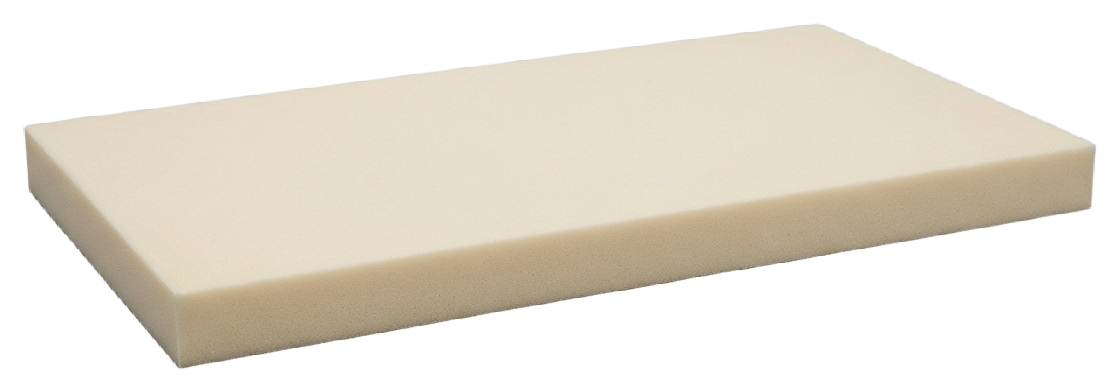
Insulated Floor Slabs
Load-Bearing Flooring for Cold Storage Environments Designed to support heavy operational loads while maintaining thermal continuity at ground level. The system minimizes heat ingress, prevents condensation, and protects structural integrity under prolonged low-temperature conditions.
Key Performance Attributes
Outlining Essential performance parameters influencing insulation, strength, and installation efficiency.

High Load-Bearing Capacity
Designed to support racking systems, material handling equipment, and operational loads in cold storage facilities.

Moisture & Condensation Control
Helps reduce moisture ingress from the subfloor, supporting condensation control at low temperatures.

Long-Term Durability in Cold Conditions
Engineered to perform reliably under continuous low-temperature operating environments.

Reduced Energy Loss
Minimizes thermal leakage through the floor, lowering refrigeration energy demand.
Related Products
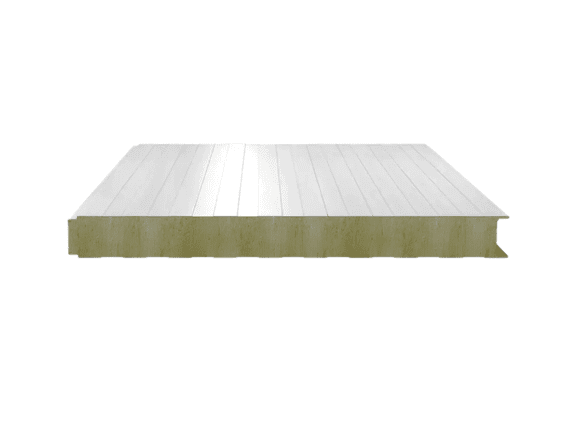
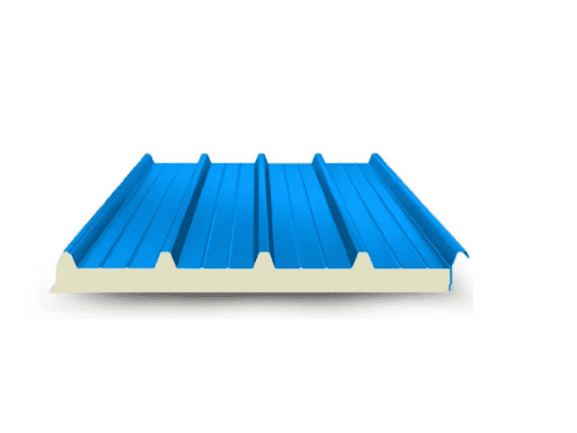
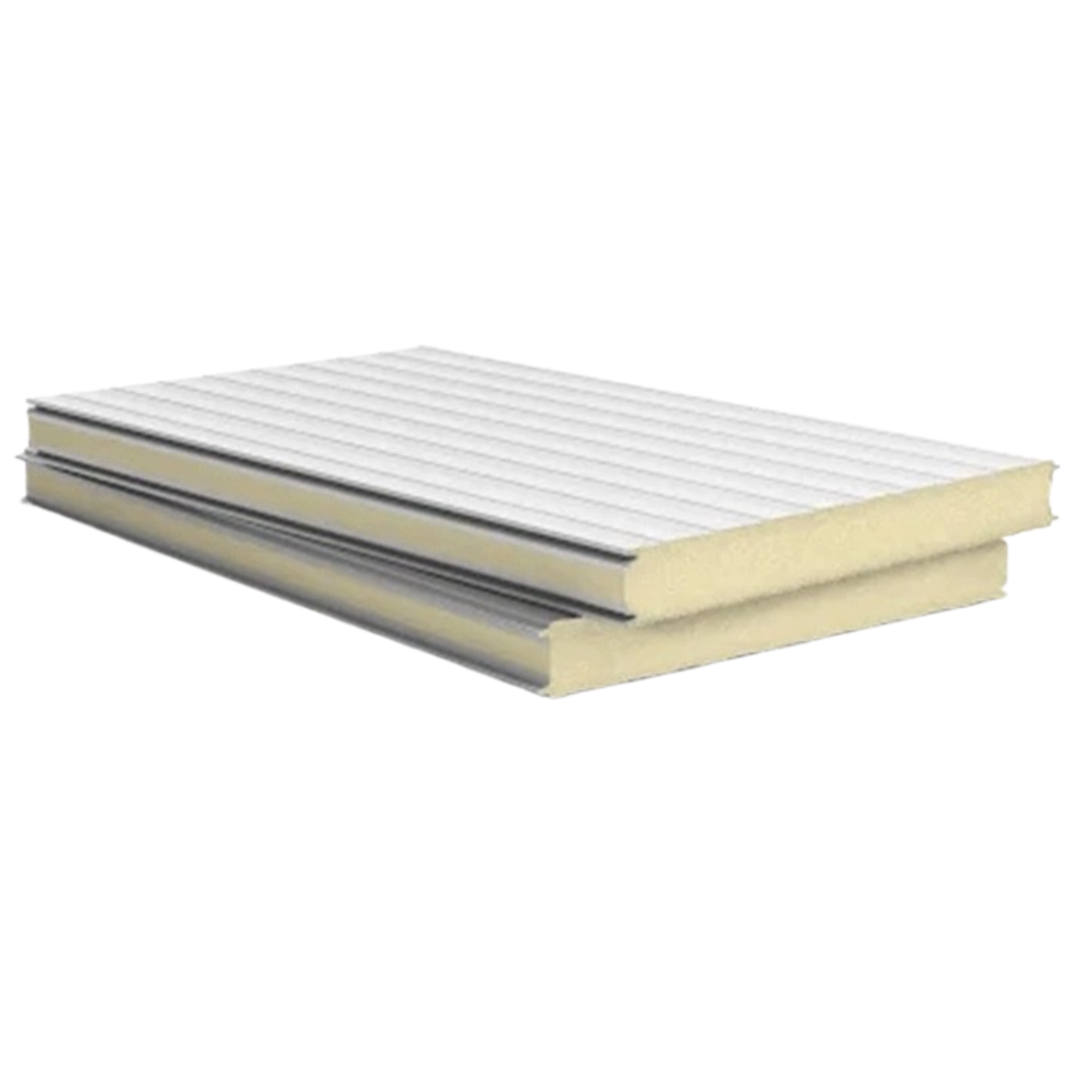
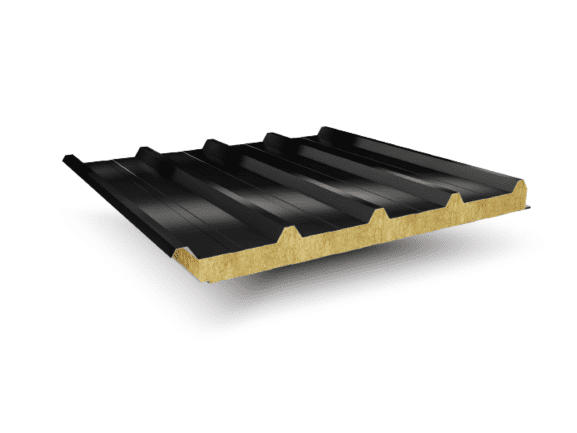
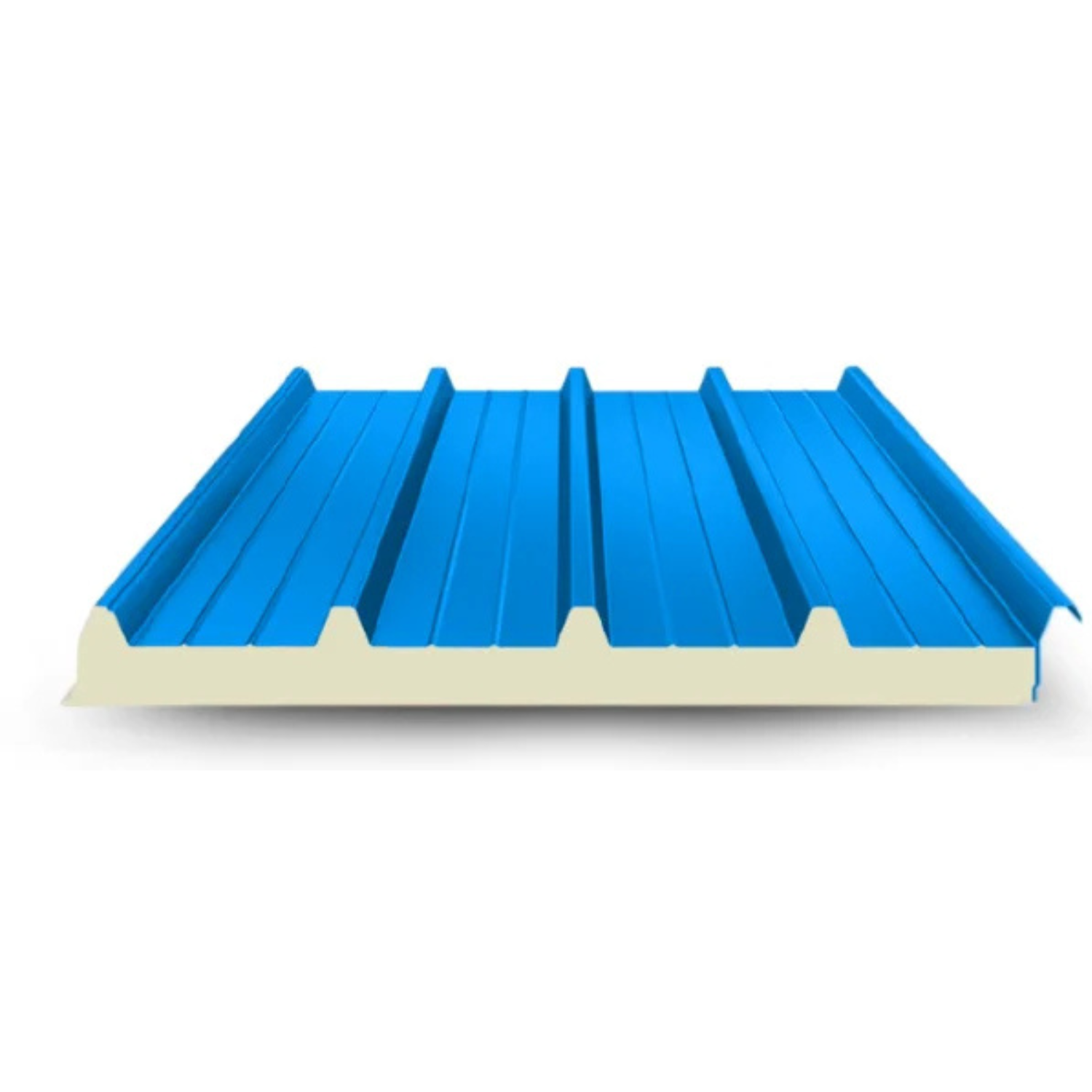
Available Panel Joints
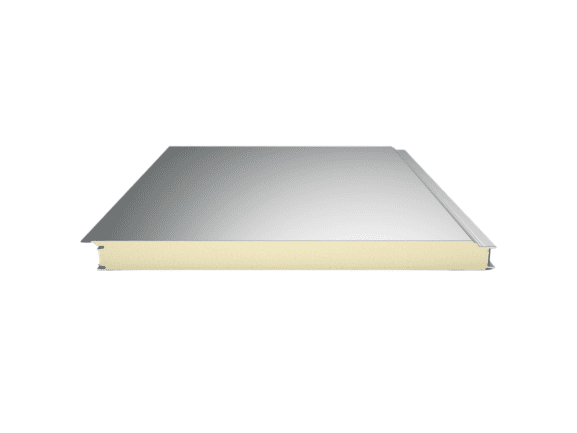
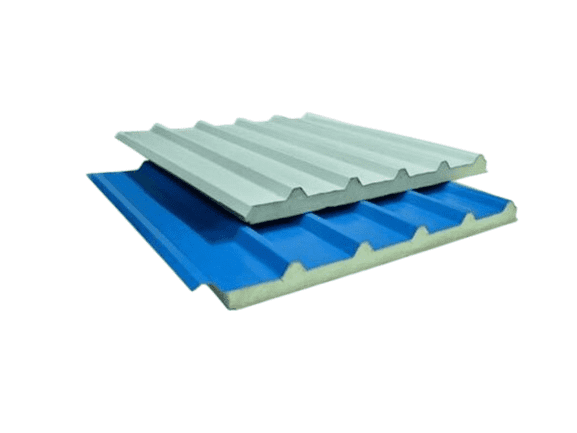
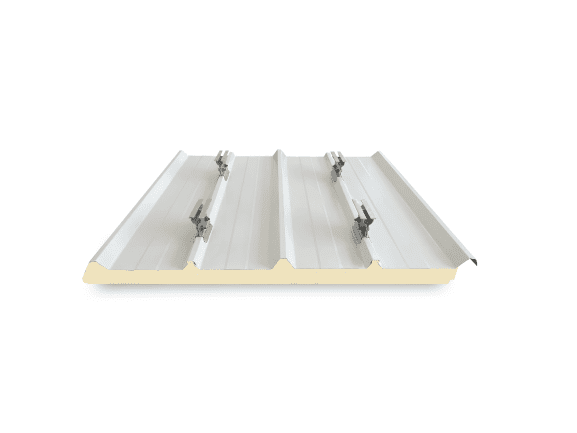
Mount’s panel joint configurations ensure precise alignment, secure interlocking, and effective load transfer, enhancing structural continuity, air and moisture tightness, and installation efficiency while maintaining long-term durability .

Roof Joint

Single Tongue & Groove Joint

Double Tongue & Groove Joint

Hidden Tongue & Groove

Camlock Joint

M Section
Advantages of the Insulated Floor Slabs
Insulated Base for Refrigerated Enclosures
Cold room floor slabs are designed to reduce heat gain from the ground into temperature-controlled storage spaces.
Load-Bearing Structural Support
Engineered to withstand static and rolling loads typical in cold storage facilities, including pallet movement and material handling equipment.
Reduced Risk of Floor-Level Condensation
Insulated slab systems help limit temperature differentials that can lead to condensation formation beneath refrigerated spaces.
Compatible with Vapor Barrier Strategies
Designed to integrate with moisture control layers to reduce long-term subfloor deterioration risks.
Supports Heavy-Duty Industrial Cold Storage
Commonly used in large cold storage warehouses and freezer rooms requiring both insulation and structural durability.
Available Accessories
Mount Roofing & Structures provides engineered panel accessories designed to support installation accuracy, system compatibility, and enclosure performance across insulated panel applications.
These accessories are developed to integrate seamlessly with Mount panel systems, ensuring coordinated detailing, structural alignment, and long-term operational reliability across industrial, commercial, cleanroom, and cold storage projects.
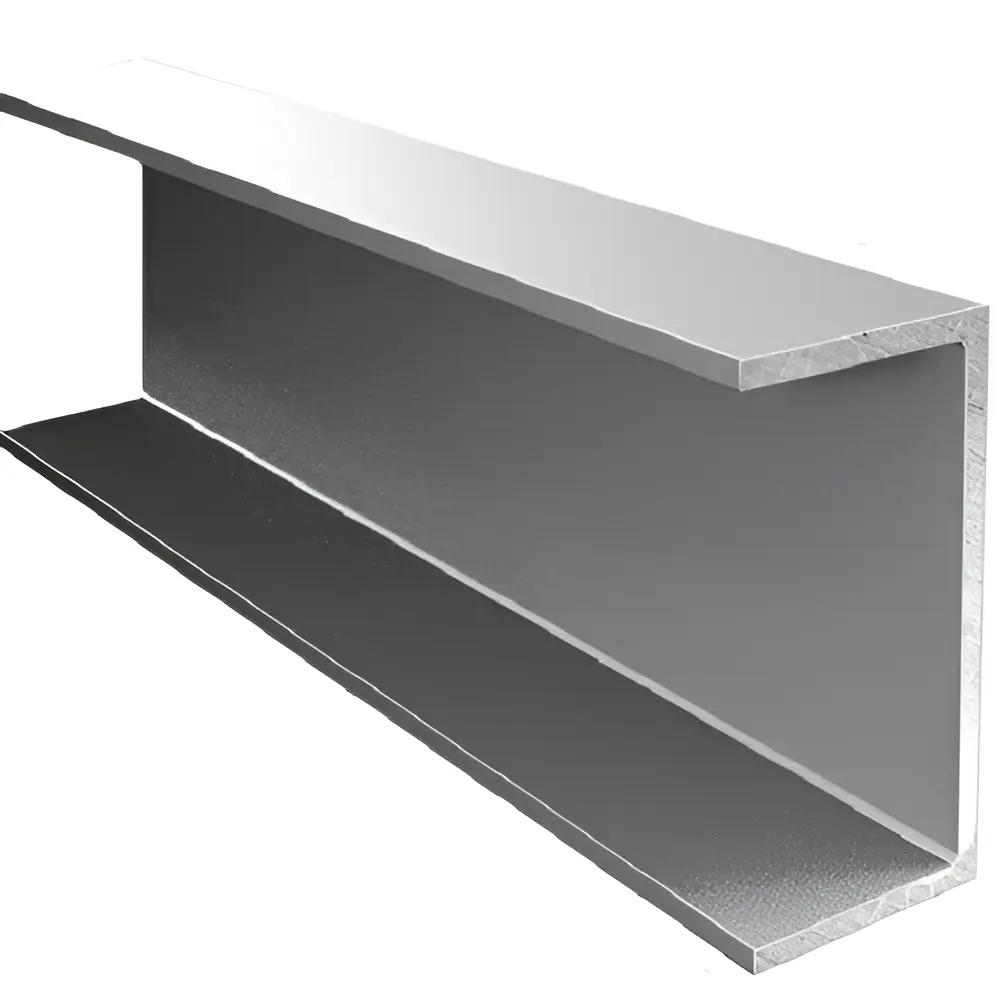
Bottom C Flashing
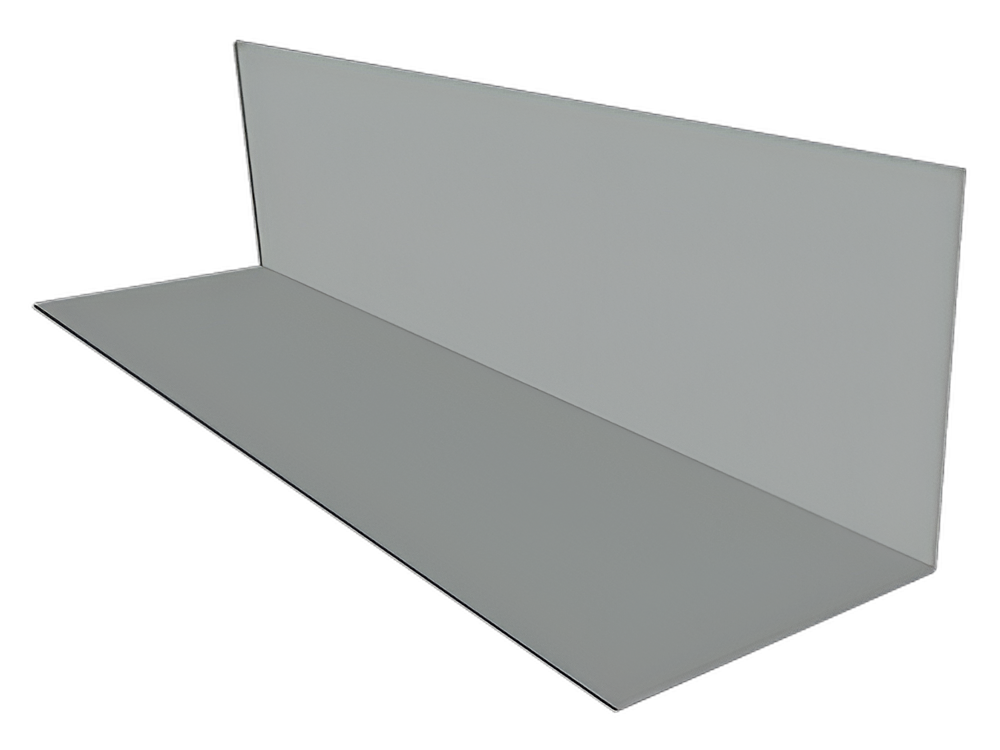
L Flashing (Inner and Outer)
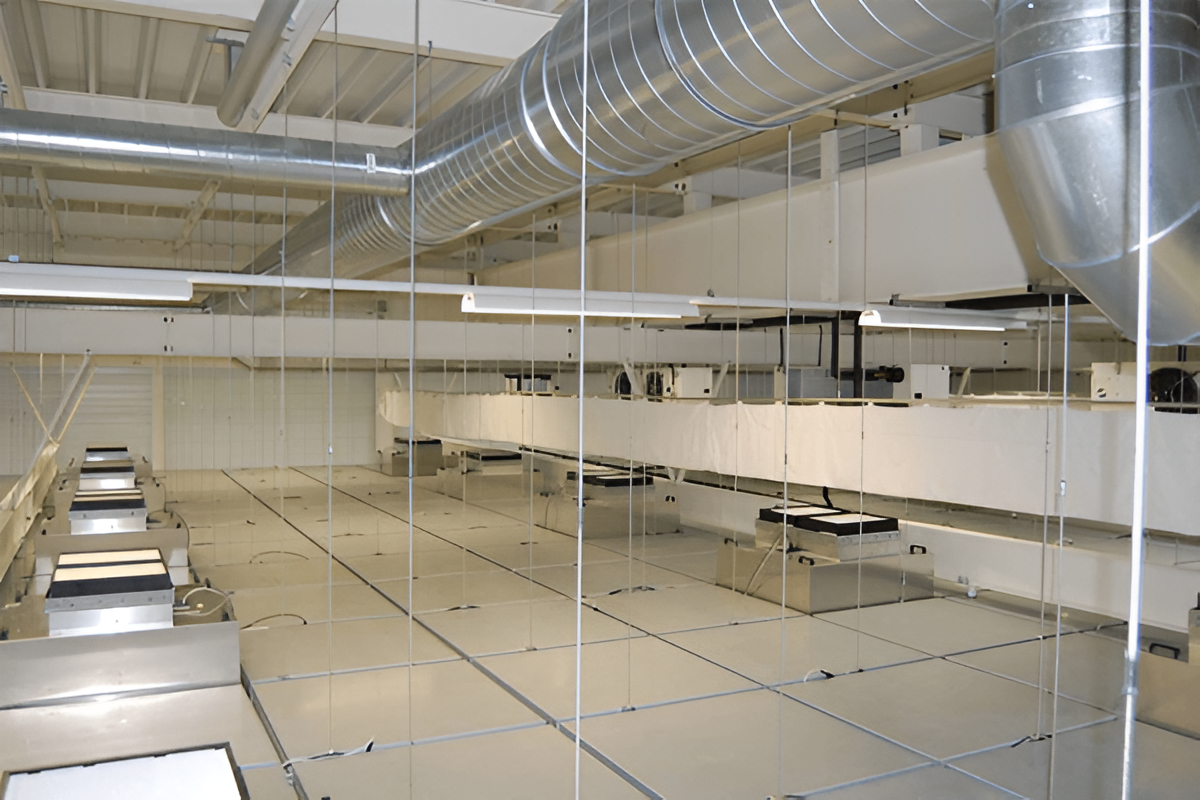
Walkable Ceiling Panels
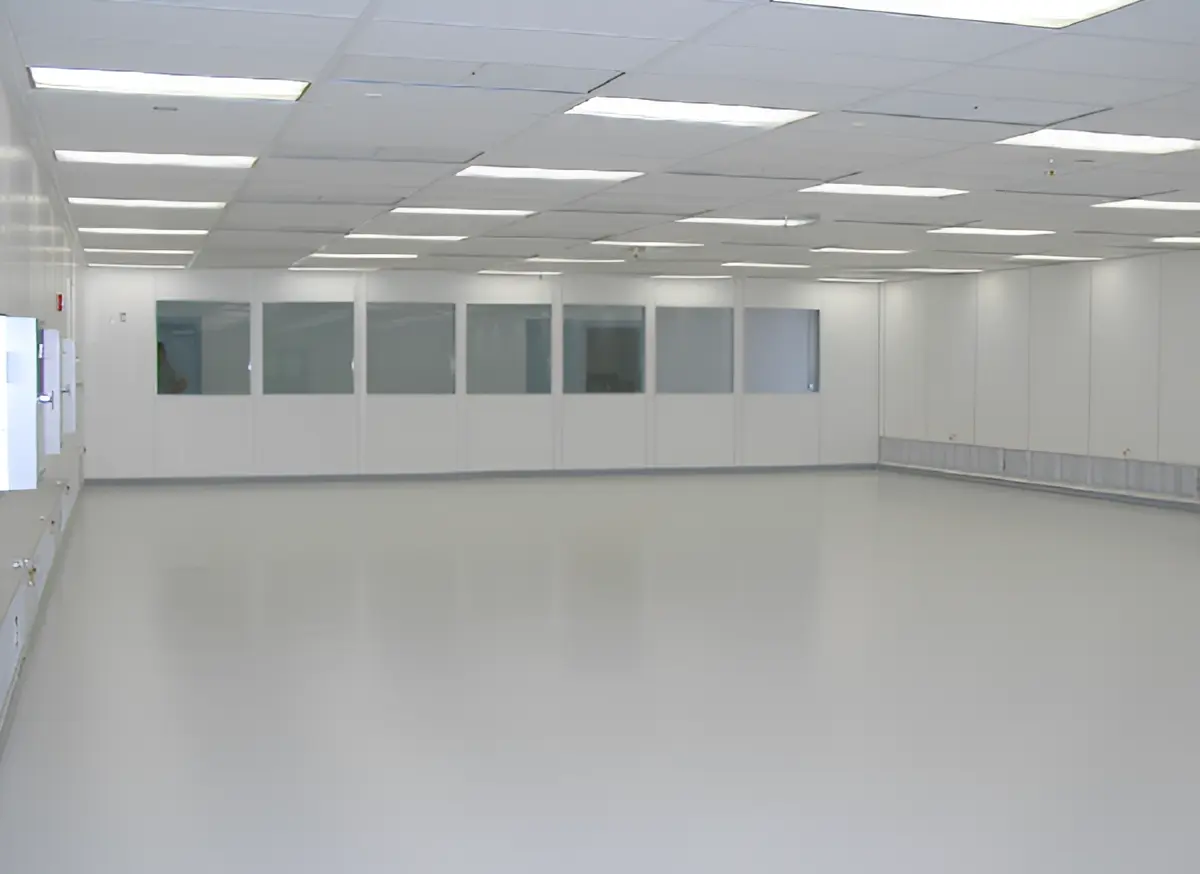
Non-Walkable Ceiling Panels
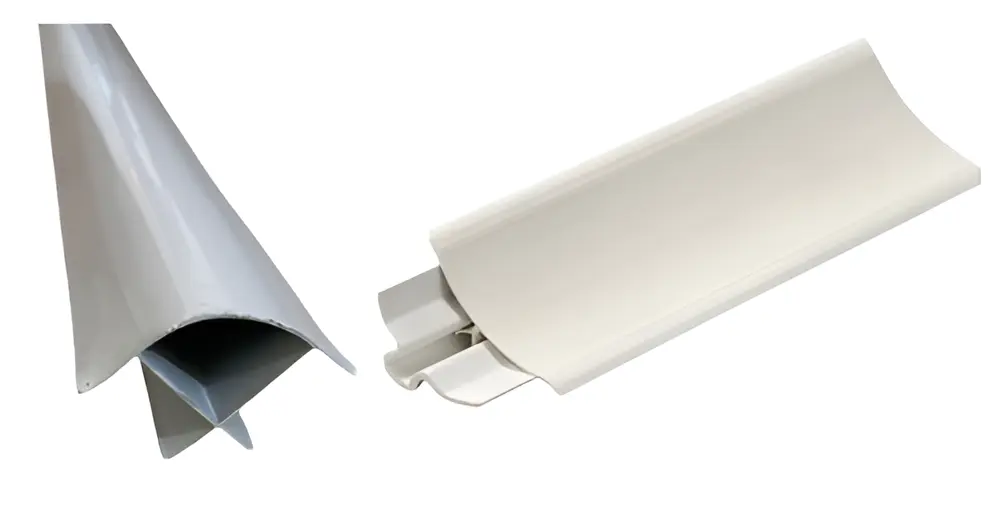
Inner and Outer Covings
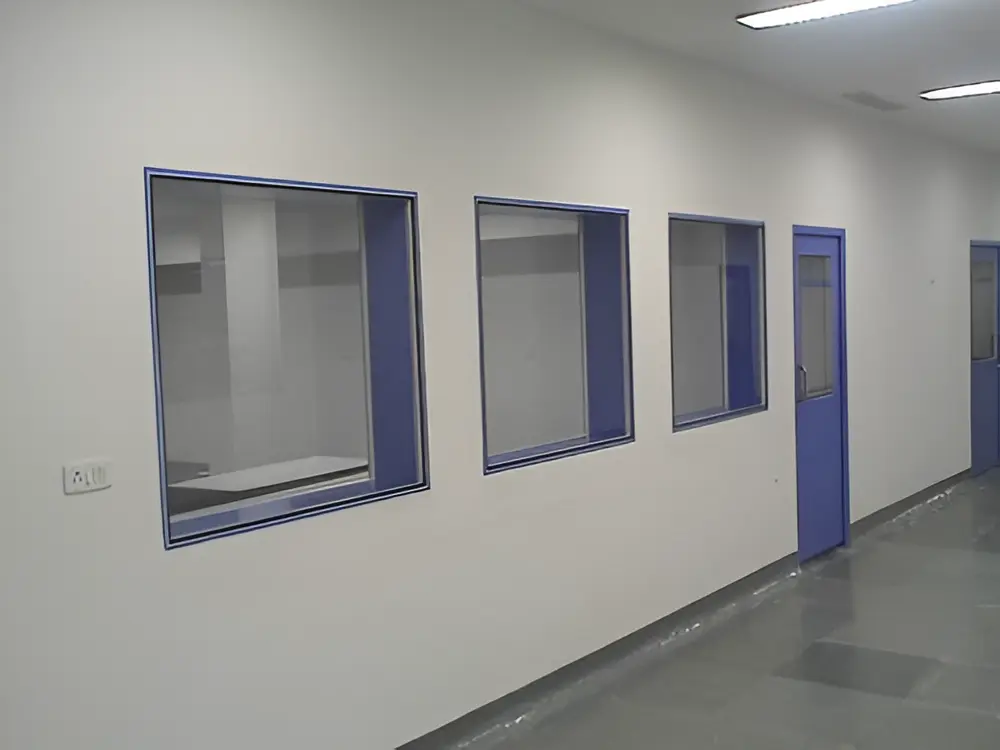
View Panels
Applications
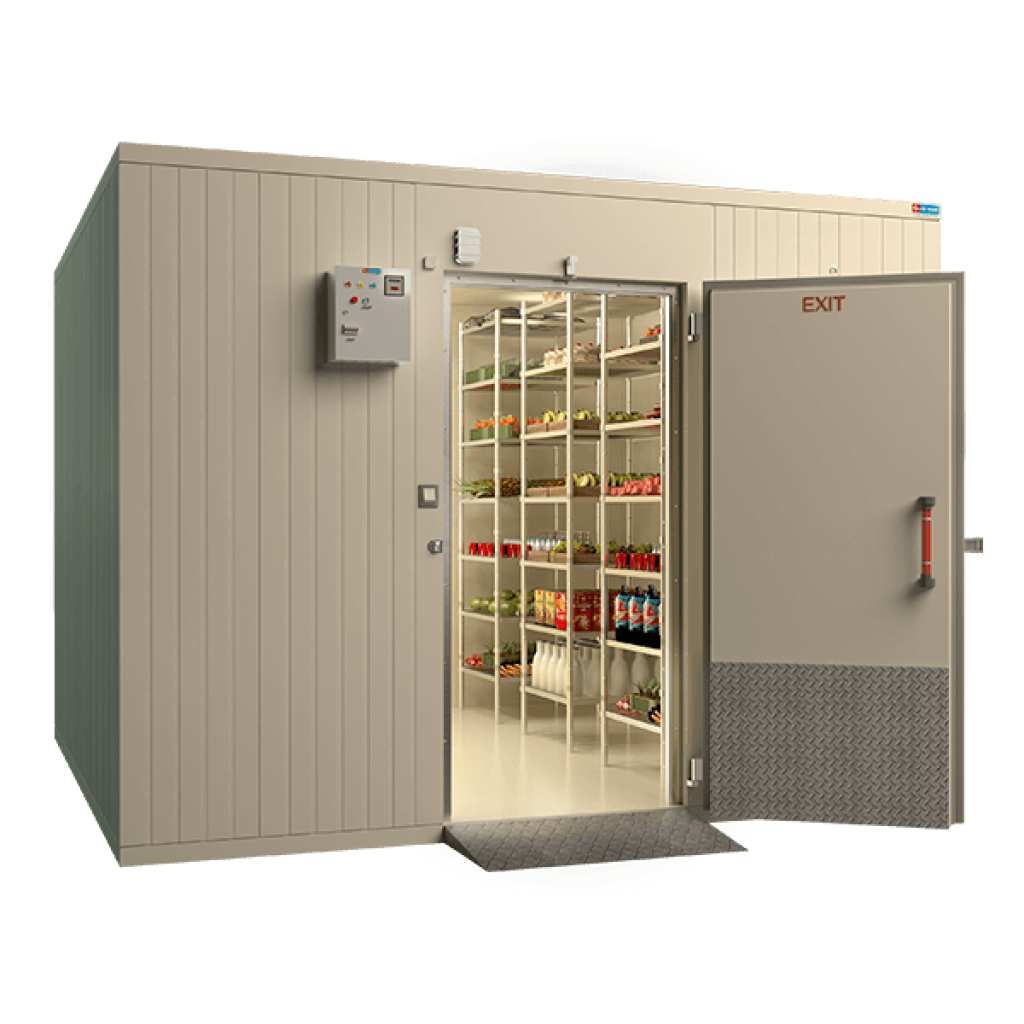
Frozen Food Storage
Used in freezer rooms to maintain sub-zero temperatures for long-term food preservation.
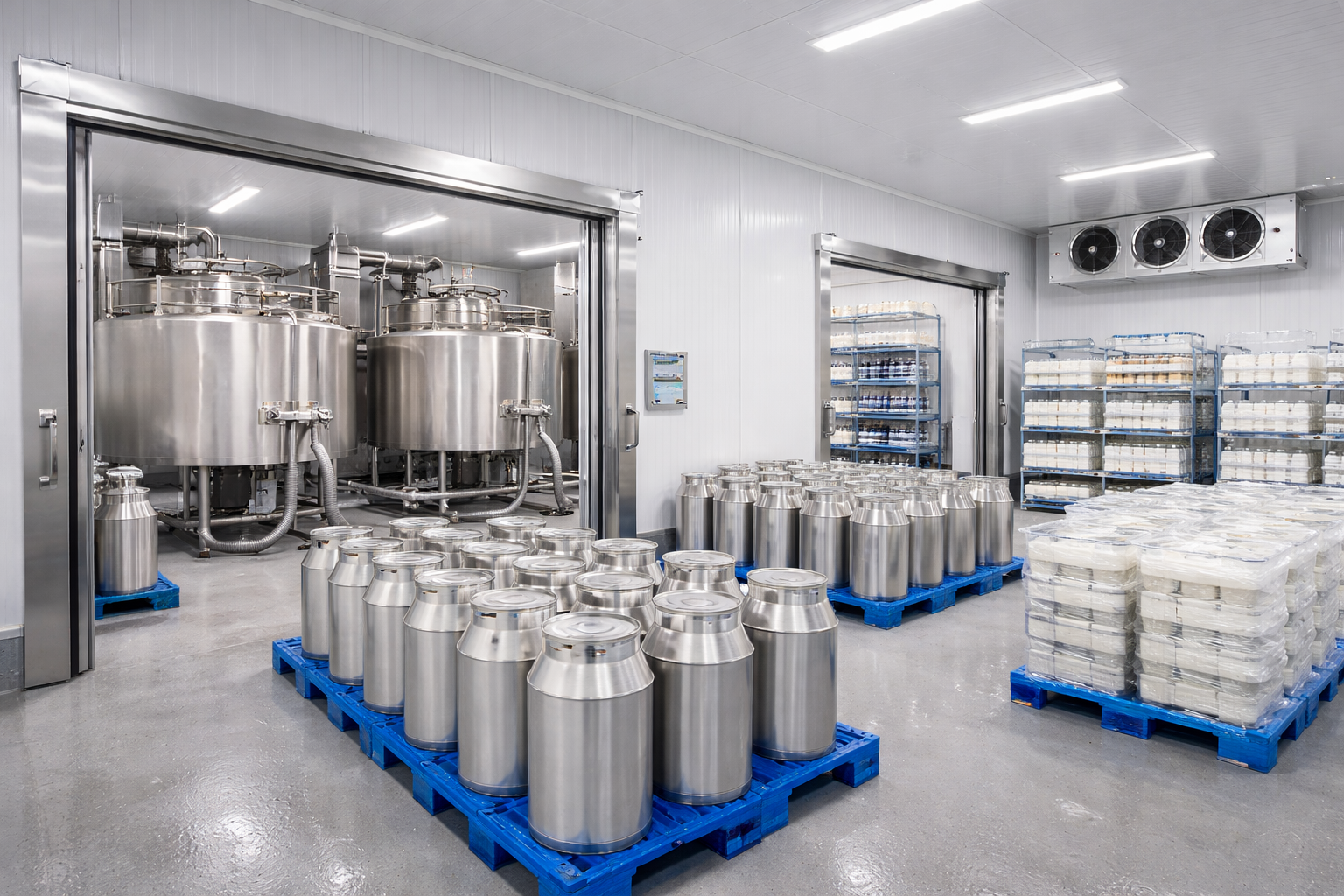
Dairy & Milk Storage
Supports controlled cooling environments for dairy processing and storage.
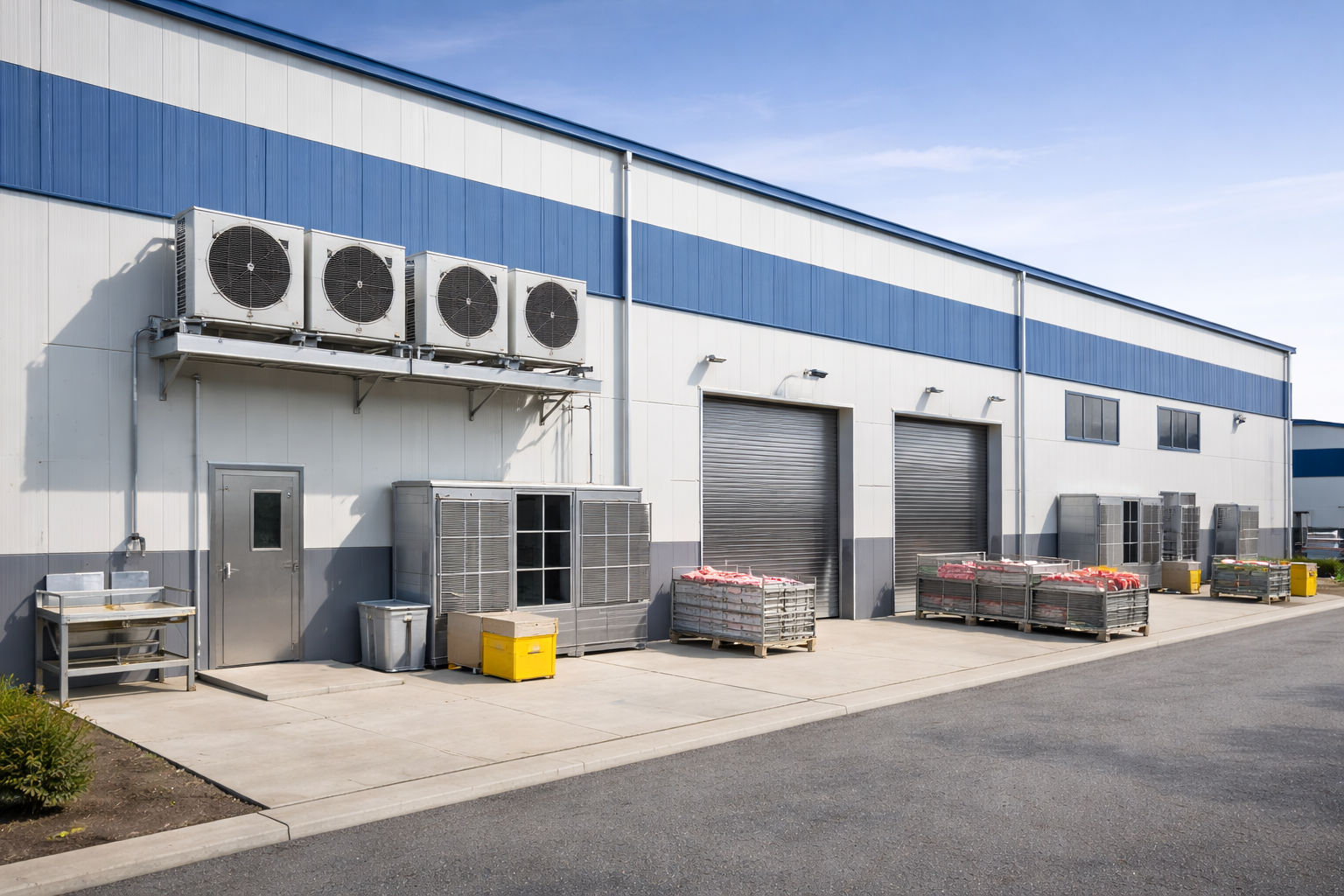
Meat & Poultry Processing Units
Maintains low temperatures required during processing and storage operations.
Seafood Storage Facilities
Provides insulated enclosures for preserving fresh and frozen seafood.
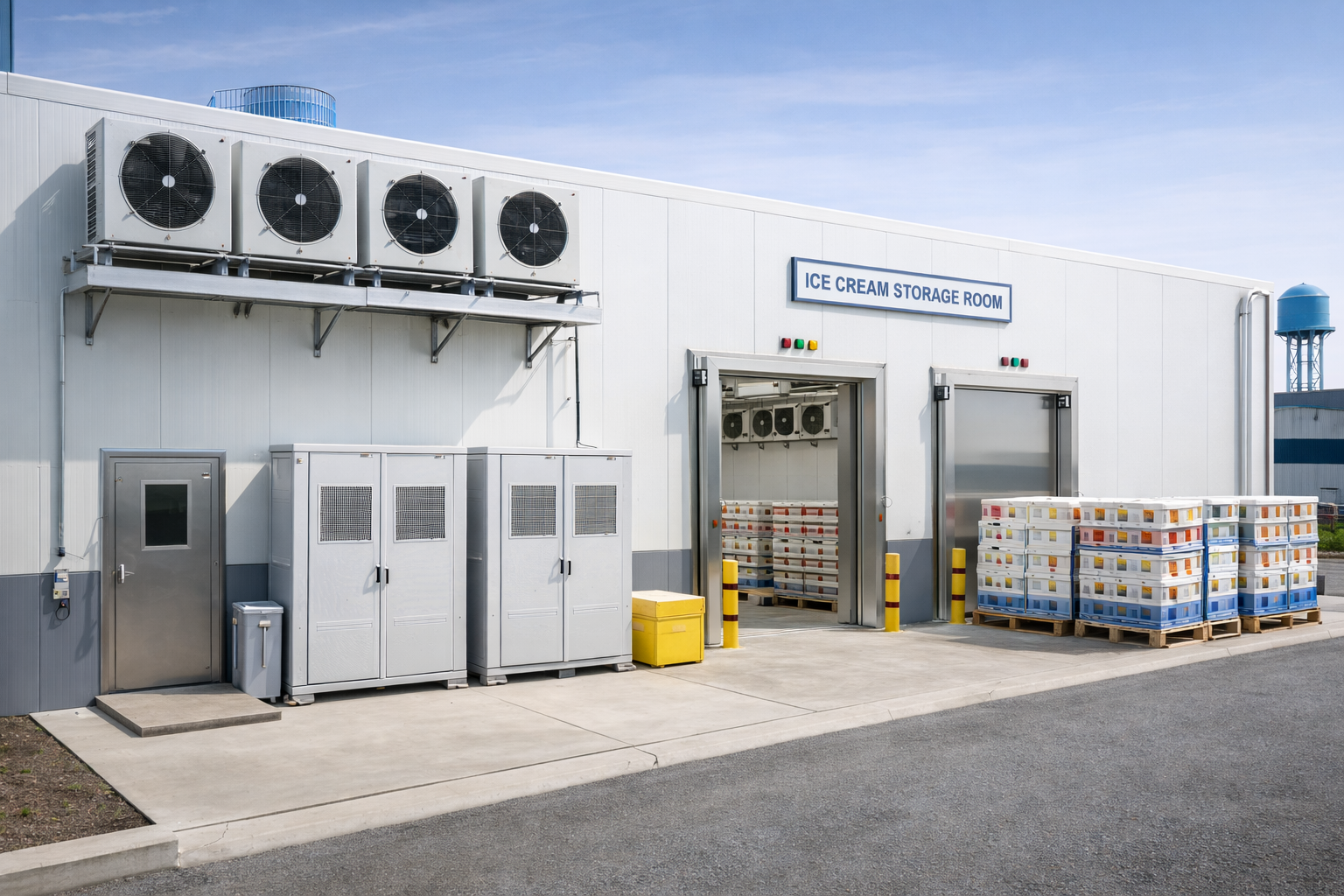
Ice Cream Storage Rooms
Ensures stable freezing conditions for temperature-sensitive frozen products.
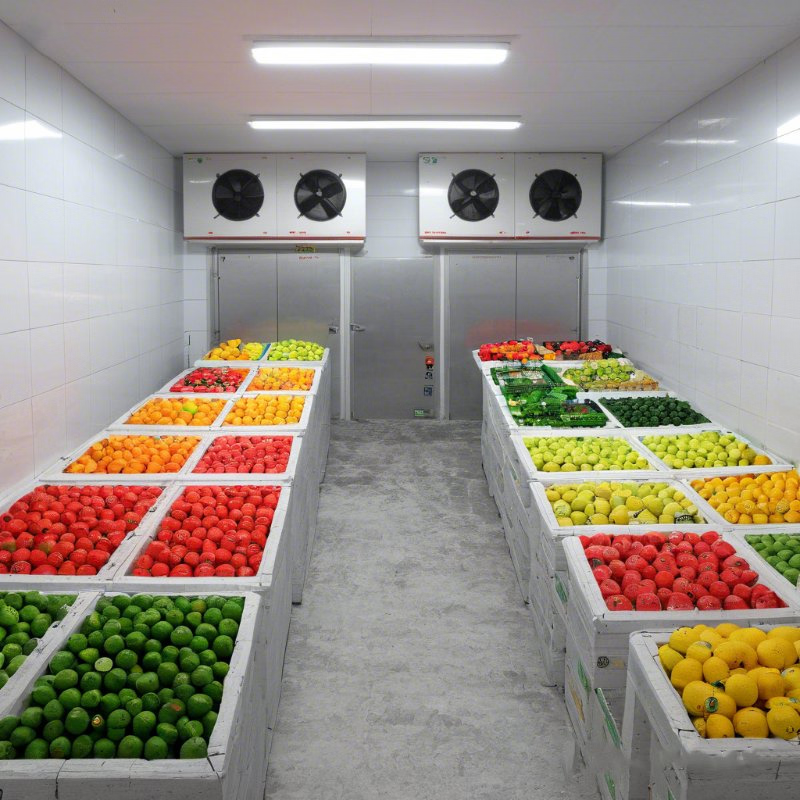
Fruit & Vegetable Cold Storage
Maintains controlled temperatures to extend shelf life of perishable produce.

Pharmaceutical Cold Storage
Used in temperature-controlled rooms for storing medicines and vaccines.
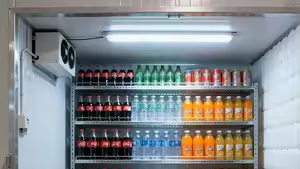
Beverage & Brewery Storage
Supports controlled environments for beverage storage and processing.
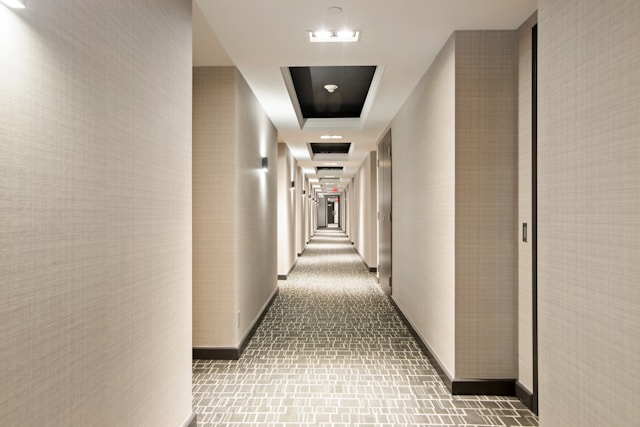
Hotel & Restaurant Walk-In Coolers
Applied in commercial kitchens requiring refrigerated storage rooms.
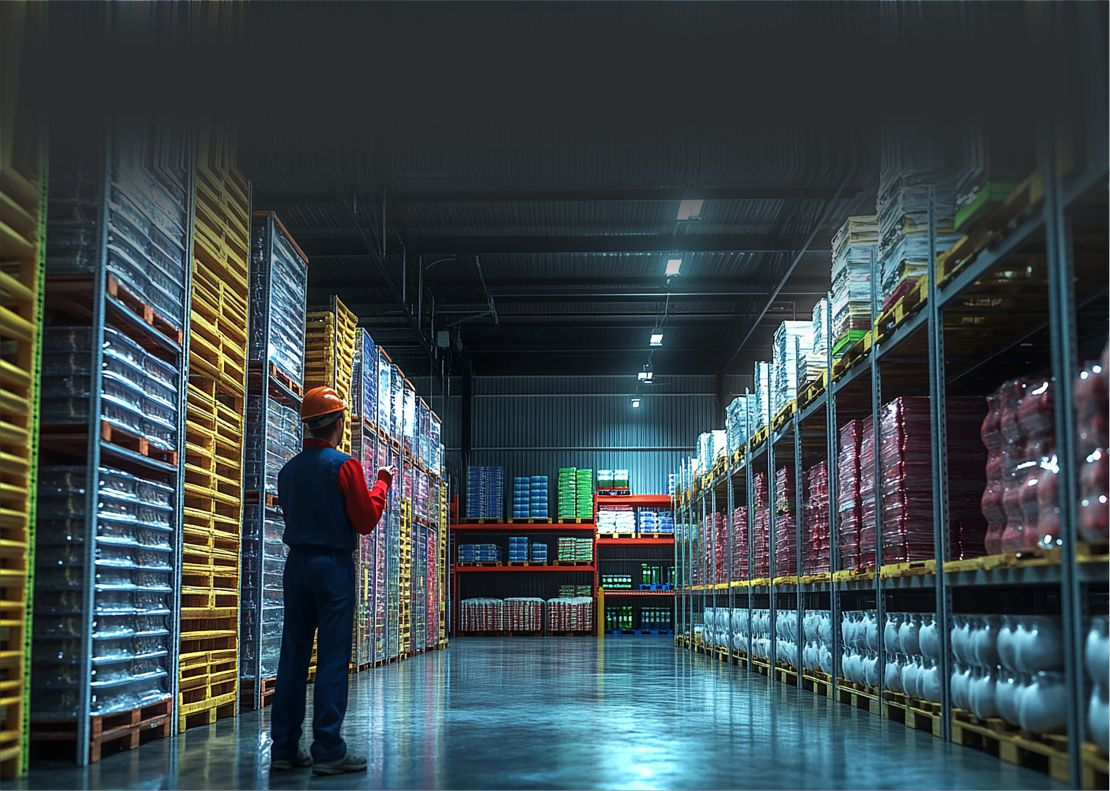
Logistics Cold Chain Warehouses
Used in large-scale distribution centres handling temperature-sensitive goods.
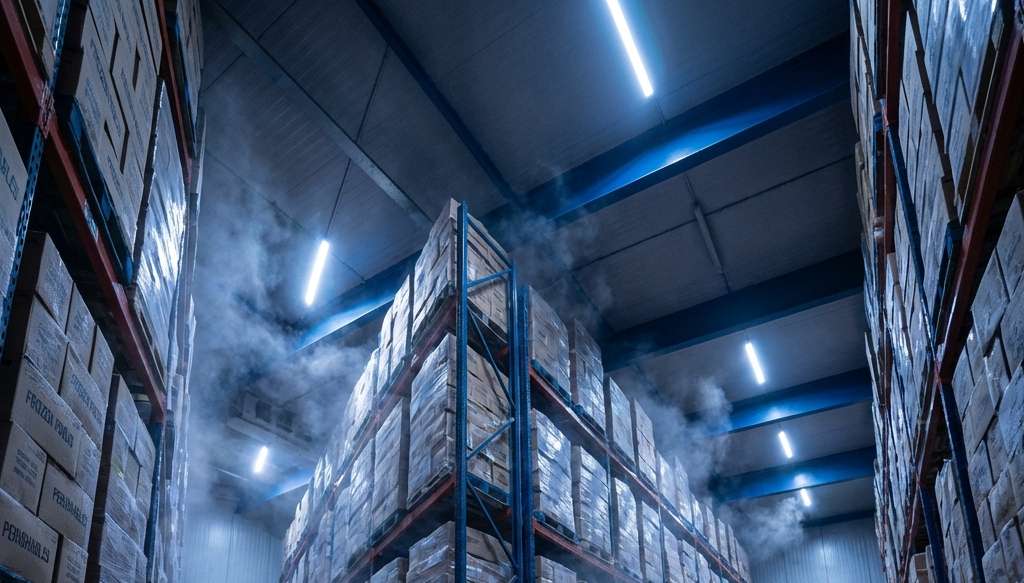
Ice Production Facilities
Provides insulated enclosures for ice manufacturing and storage.
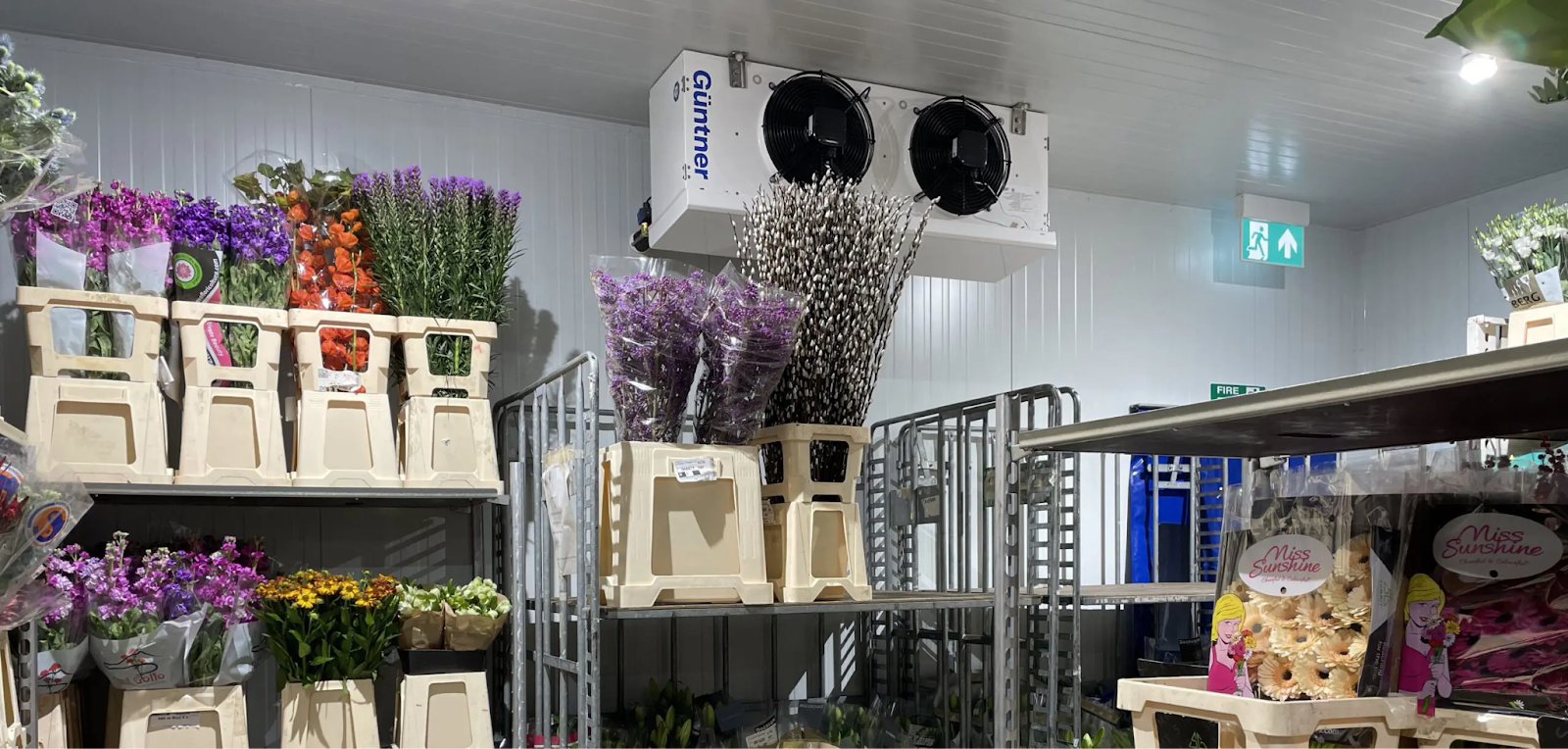
Floral Storage Rooms
Maintains low temperatures to preserve flowers before distribution.
Why Choose Mount?
Mount Roofing & Structures manufactures insulated cold room systems within a structured production environment supported by in-house engineering coordination. Floor insulation components require dimensional consistency and density control to ensure performance alignment with wall and ceiling assemblies.
Key capabilities include:
- 30+ Years of Combined Industry Experience
Technical expertise across insulated panels and steel building systems.
- Automated PUF Panel Production Lines
Ensures uniform core bonding, dimensional accuracy, and repeatable quality.
- 8.5 Million m² Annual Production Capacity
Supports large-scale industrial and infrastructure roofing projects.
- 460+ Skilled Workforce
Structured manufacturing, quality monitoring, and execution oversight.
- Exports to 89 Countries
Experience supporting cold storage, industrial, and infrastructure developments globally.
Frequently asked Question
It is a thermally insulated flooring system designed to reduce heat transfer from the ground into temperature-controlled cold storage areas.
Without proper insulation, heat gain from the ground increases refrigeration load and energy consumption.
It can lead to higher energy costs, condensation issues, and in freezer applications, potential frost heave due to subfloor freezing.
Yes, freezer rooms operating below 0°C typically require floor insulation to prevent subsoil freezing and thermal loss.
Yes, by limiting thermal leakage through the floor, they reduce refrigeration system demand.
Yes, they are designed to accommodate racking systems, pallet loads, and material handling equipment such as forklifts.
Proper vapor barriers and insulation layers help minimize moisture migration from the subfloor.
No, they are also used in pharmaceutical, chemical, and temperature-controlled industrial storage facilities.
It depends on operating temperature, soil conditions, load requirements, and thermal performance targets.
Load-bearing capacity, insulation continuity, vapor barrier placement, and drainage design must be properly engineered.