 Jan 6, 2026
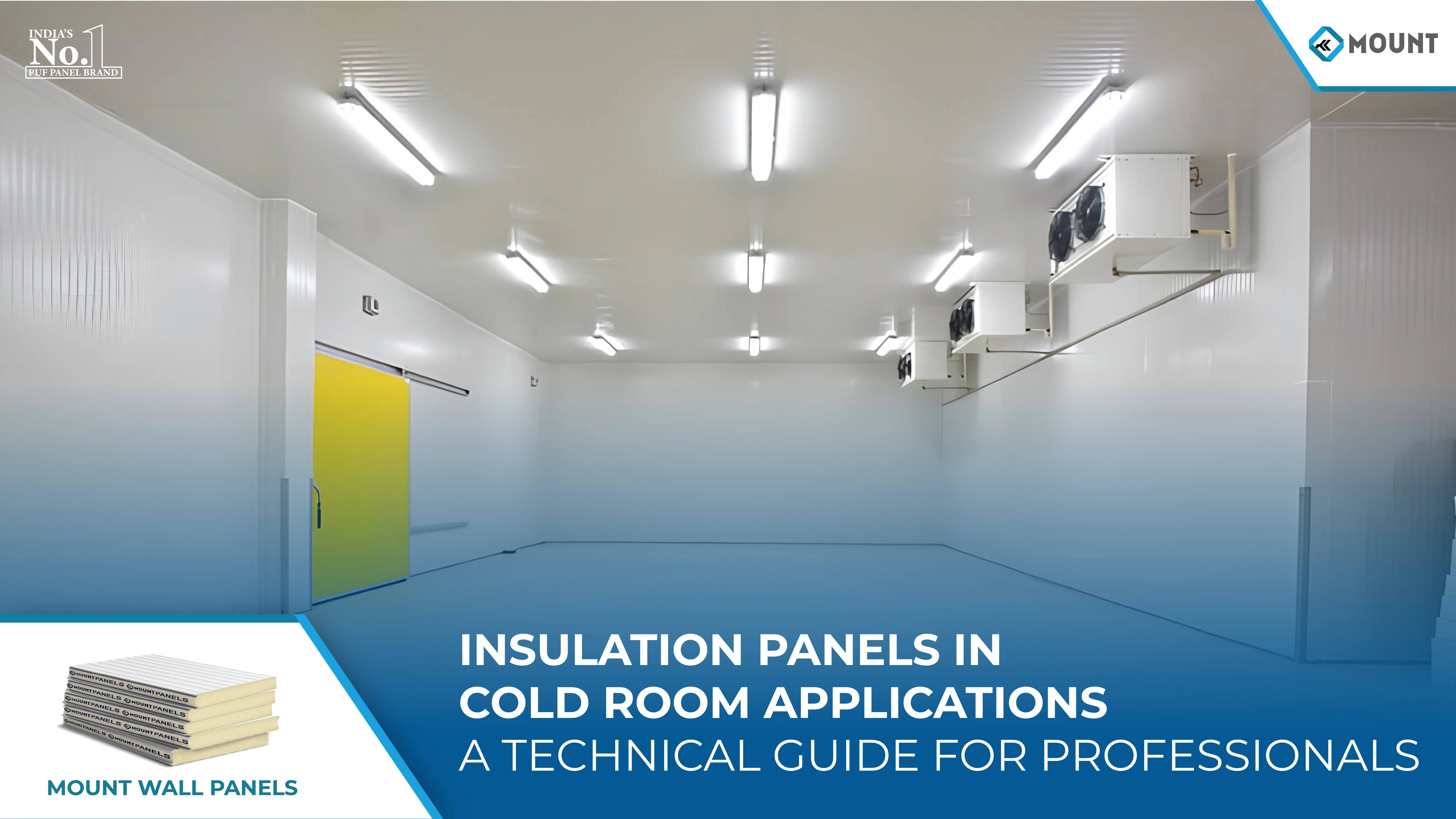
Insulation Panels in Cold Room Applications: A Technical Guide for Professionals
Cold storage facilities require precise temperature and humidity control to keep products safe and maintain high performance. Insulation panels in cold room applications serve as the backbone of modern cold storage construction, directly influencing energy efficiency, product safety, and long-term profitability. Whether you manage a pharmaceutical warehouse, food processing facility, or logistics center, selecting the right thermal solutions is crucial for meeting global compliance standards while optimizing operational costs. At Mount, we understand that facility managers and engineers face complex decisions when evaluating construction systems. This technical guide explores critical factors including R-values, thermal conductivity, installation best practices, and cost optimization strategies that transform cold storage operations into reliable, sustainable systems capable of protecting valuable inventory while minimizing energy consumption and ensuring regulatory compliance throughout your facility’s operational lifespan.
Understanding PUF Panel Technology and Thermal Performance
PUF panels represent the top most choice of modern insulation technology, utilizing polyurethane foam cores sandwiched between metal facings to create exceptional thermal barriers. The fundamental principle governing cold room efficiency centers on thermal conductivity,the material’s ability to resist heat transfer and maintain stable internal temperatures. Premium polyurethane solutions deliver thermal conductivity values between 0.019 to 0.023 W/mK, significantly outperforming traditional insulation materials. When selecting advanced construction systems for your facility, understanding R-values becomes essential. R-value measures resistance to heat flow, with higher values indicating superior insulation performance. For cold rooms maintaining temperatures below -18°C, industry experts recommend R-values between 5.5 and 7.0 per inch of thickness. Mount’s engineering team emphasizes that PUF panel thickness directly correlates with thermal performance; thicker systems provide enhanced insulation but require careful cost-benefit analysis. The polyurethane core’s closed-cell structure prevents moisture infiltration, maintaining consistent performance throughout the panel’s lifespan while resisting degradation from temperature fluctuations and humidity exposure.
Selecting the Right Panel Specifications for Your Facility
Choosing the right sandwich panels requires a careful look at multiple technical factors. Facility managers must assess ambient conditions, desired internal temperatures, humidity levels, and operational needs before choosing materials for cold storage installations. Quality construction systems vary significantly based on thickness, facing materials, and manufacturing standards, but investment in premium solutions reduces long-term operational costs through superior energy efficiency and reliable thermal performance. Vertical mounting applications differ from roofing installations; wall PUF panels typically require different fire resistance ratings and structural considerations than overhead configurations. Mount recommends conducting thermal load calculations accounting for facility insulation, product temperature, ambient conditions, and infiltration rates to ensure optimal system selection. Superior PUF panels manufacturer quality ensures consistent performance, selecting suppliers with ISO certifications, third-party thermal testing, and comprehensive warranties guarantees reliability and durability. Panel density directly influences compressive strength, cold rooms experience thermal cycling stress as refrigeration systems activate and deactivate, making high-density solutions essential for long-term operational excellence. Different jurisdictions mandate specific fire ratings, with some regions requiring Class A flame spread ratings that certain systems cannot achieve.
Installation, Sealing, and Long-Term Maintenance
Professional installation separates high-performing systems from mediocre ones, making contractor expertise as important as material selection throughout the construction process. Connection points represent critical weak spots where thermal bridging occurs and infiltration begins compromising system efficiency. Mount’s installation protocols emphasize proper joint sealing using polyurethane adhesives, mechanical fasteners, and continuous gasket systems that maintain airtight seals throughout the structure’s complete lifespan. Sandwich PUF panels require accommodating thermal movement; improper installation creates stress concentrations leading to joint separation and efficiency loss over time. Metal facings need careful protection during construction; scratches and dents compromise corrosion resistance, particularly in humid cold room environments. Regular maintenance includes inspecting surfaces for moisture accumulation, verifying seal integrity, and addressing any visible damage immediately before problems escalate. Environmental factors like condensation formation demand attention; proper vapor barriers integrated during installation prevent moisture migration into foam cores and maintain thermal performance. Mount recommends annual inspections by certified technicians to identify potential issues before they compromise system performance. Documentation of installation specifications, maintenance schedules, and energy monitoring data proves invaluable for troubleshooting performance issues and supporting warranty claims during the facility’s operational lifespan.
Cost Optimization and Energy Efficiency Benefits
While premium system pricing represents significant capital investment, comprehensive cost analysis reveals substantial returns through reduced energy consumption over the system’s operational lifetime. Energy savings from well-installed thermal solutions usually recover capital costs within 3 to 5 years through reduced refrigeration costs and lower spoilage losses. Quality PUF roofing systems are very durable, lasting over 30 years when properly maintained by qualified technicians.Additional insulation depth reduces refrigeration system workload; every additional inch of thickness significantly decreases heat infiltration, proportionally reducing compressor runtime and monthly energy costs. Mount’s clients consistently report 20-30% energy savings following system upgrades to premium thermal barriers and enhanced insulation solutions. Understanding PUF panel price factors helps optimize your investment; while initial costs vary based on specifications, long-term operational savings justify premium material selection and professional installation. Beyond energy considerations, proper insulation reduces spoilage losses, extends product shelf life, and ensures compliance with temperature-sensitive industry standards including FDA, USDA, and pharmaceutical cold chain requirements.
Frequently Asked Questions
Q: What R-value should I specify for my cold room application?
A: Cold storage facilities maintaining temperatures below -18°C require R-values between 5.5 and 7.0 per inch of thickness. Your specific requirement depends on ambient temperature, desired internal temperature, facility location, and operational requirements. Mount recommends thermal load calculations performed by certified engineers to determine exact specifications matching your facility’s unique conditions and climate zone.
Q: How do connection points affect overall system performance?
A: Connection areas represent critical thermal weak points where energy losses occur through heat bridging and air infiltration. Proper sealing using polyurethane adhesives, mechanical fasteners, and continuous gasket systems maintains airtight integrity essential for optimal thermal performance. Professional installation following manufacturer specifications ensures long-term efficiency and prevents costly air leakage problems.
Q: What maintenance schedule should I follow for my insulation system?
A: Annual inspections by certified technicians represent best practices for identifying potential issues before they compromise performance. Monitor surfaces for moisture accumulation, verify seal integrity, inspect metal facings for corrosion or damage, and maintain detailed documentation of all maintenance activities. Prompt attention to any visible damage prevents minor issues from becoming expensive problems.
Q: How long do modern thermal barriers typically last in cold room applications?
A: Quality solutions from reputable manufacturers demonstrate lifespans exceeding 30 years when properly installed and maintained. Lifespan depends on material quality, installation expertise, environmental conditions, and maintenance consistency. Mount’s premium systems include comprehensive warranties covering performance guarantees throughout extended service periods.
Final Thoughts
Selecting appropriate thermal barriers for cold storage applications represents one of the most consequential decisions facility managers make, directly influencing energy costs, product safety, and regulatory compliance for decades. Understanding performance metrics, installation best practices, and long-term maintenance requirements empowers professionals to optimize cold storage operations while protecting valuable inventory. Mount remains committed to providing superior solutions engineered for demanding cold room environments. By combining premium materials with expert installation and diligent maintenance, your facility achieves exceptional thermal performance, reduced operating costs, and reliable temperature control essential for protecting products and ensuring customer satisfaction in competitive markets.
Similar Events