Primary Member
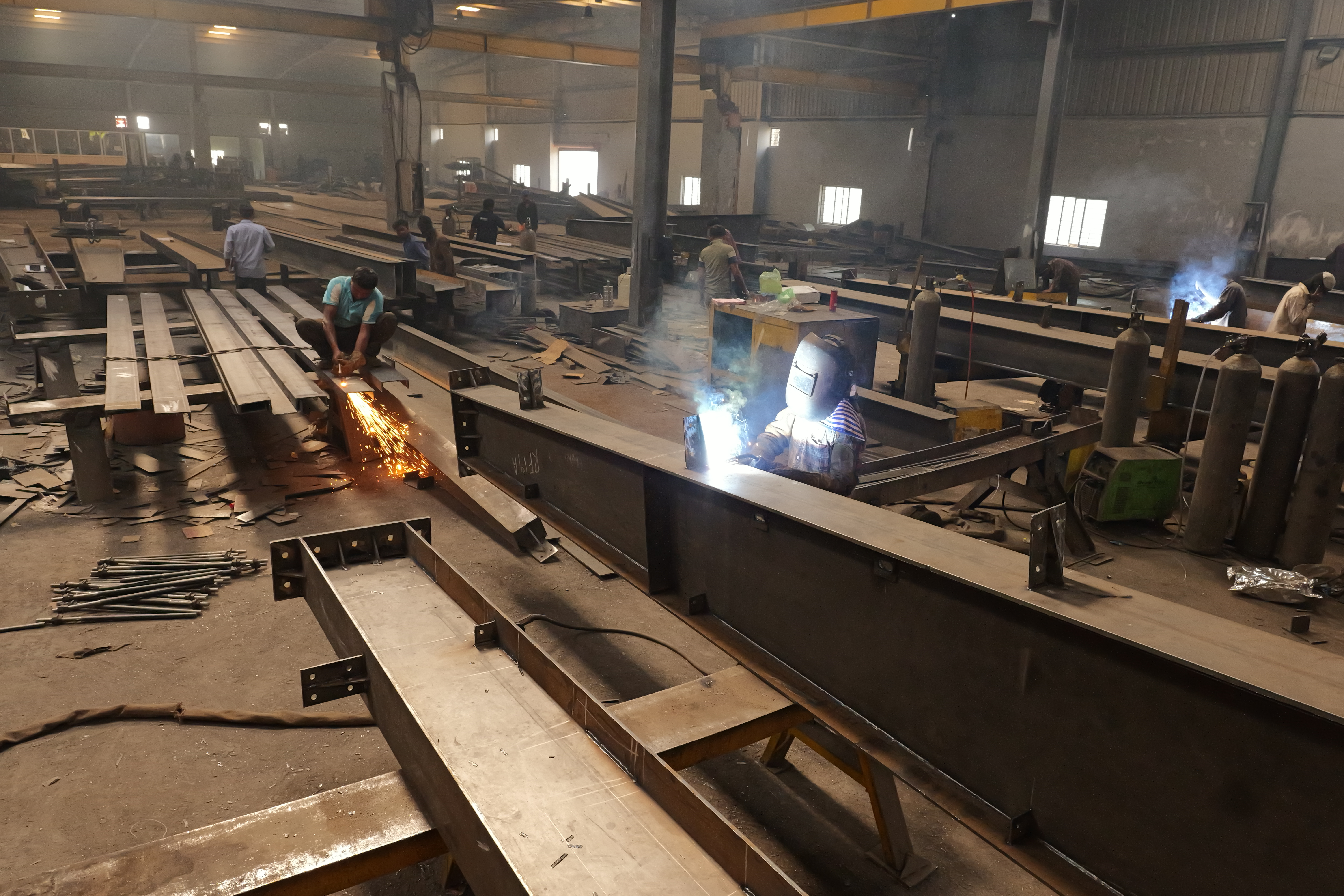
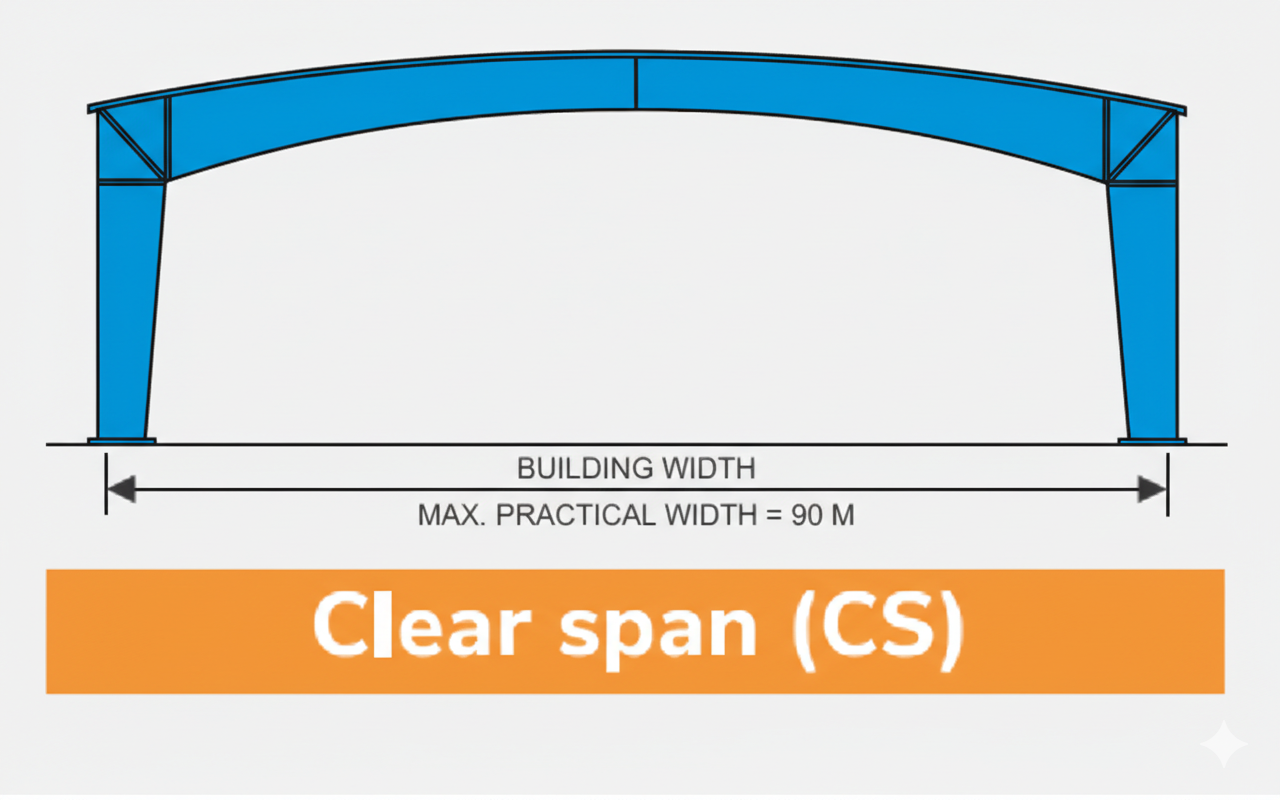
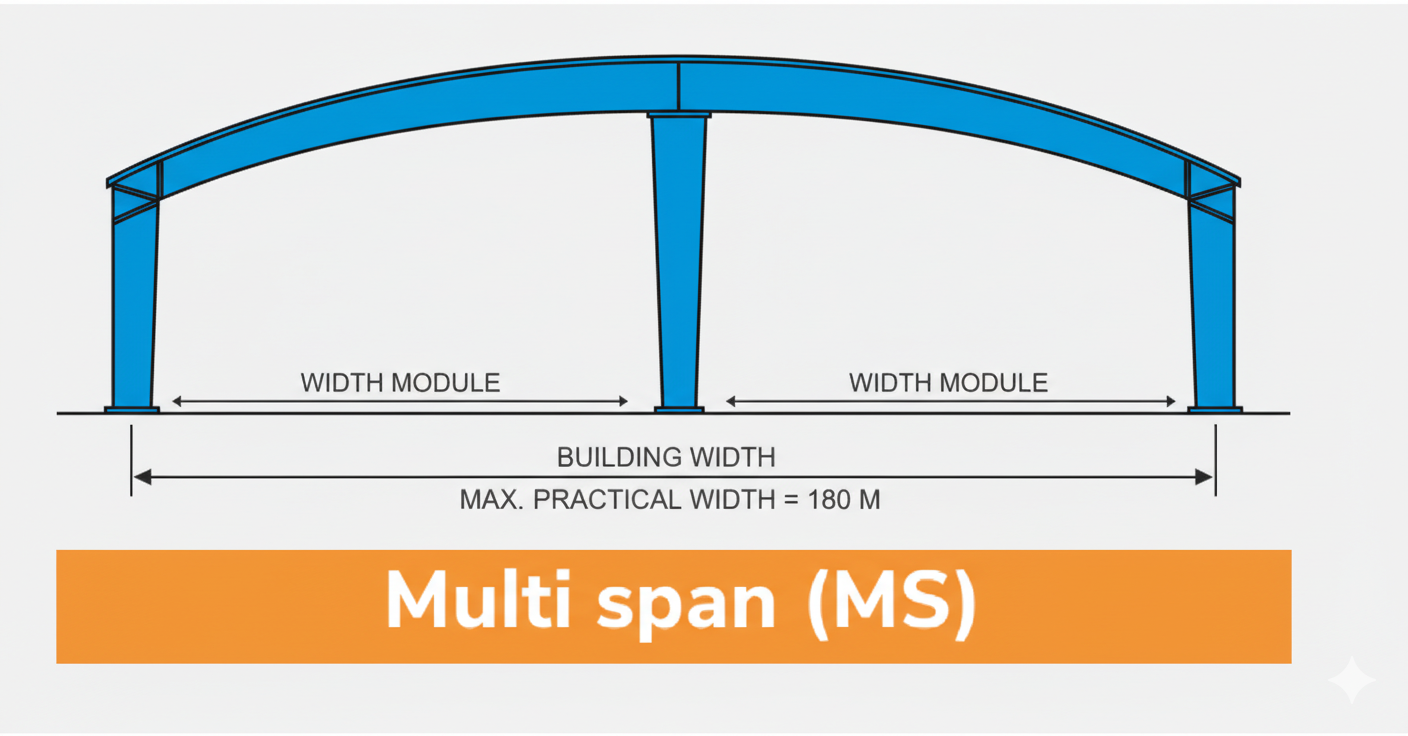
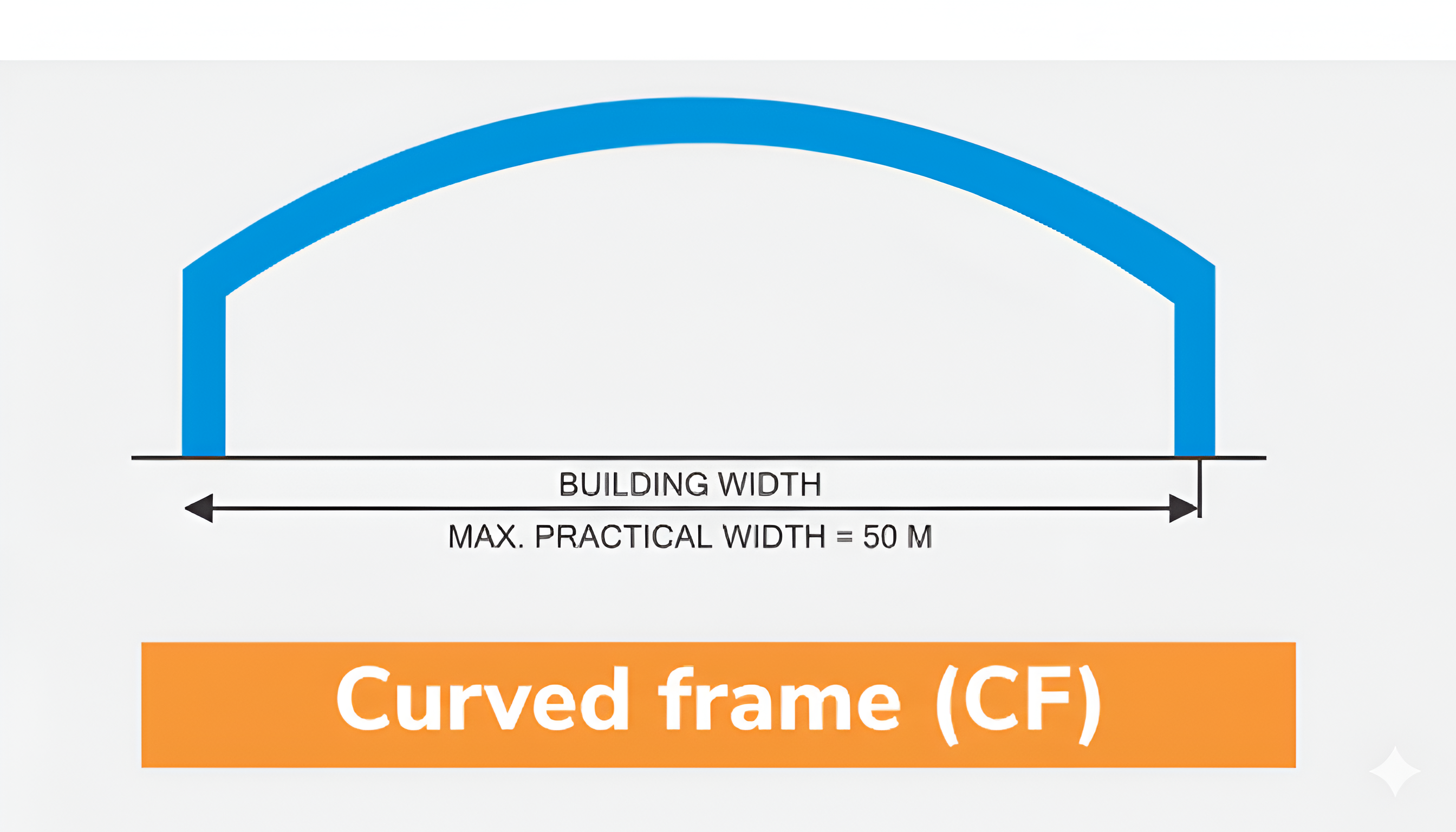
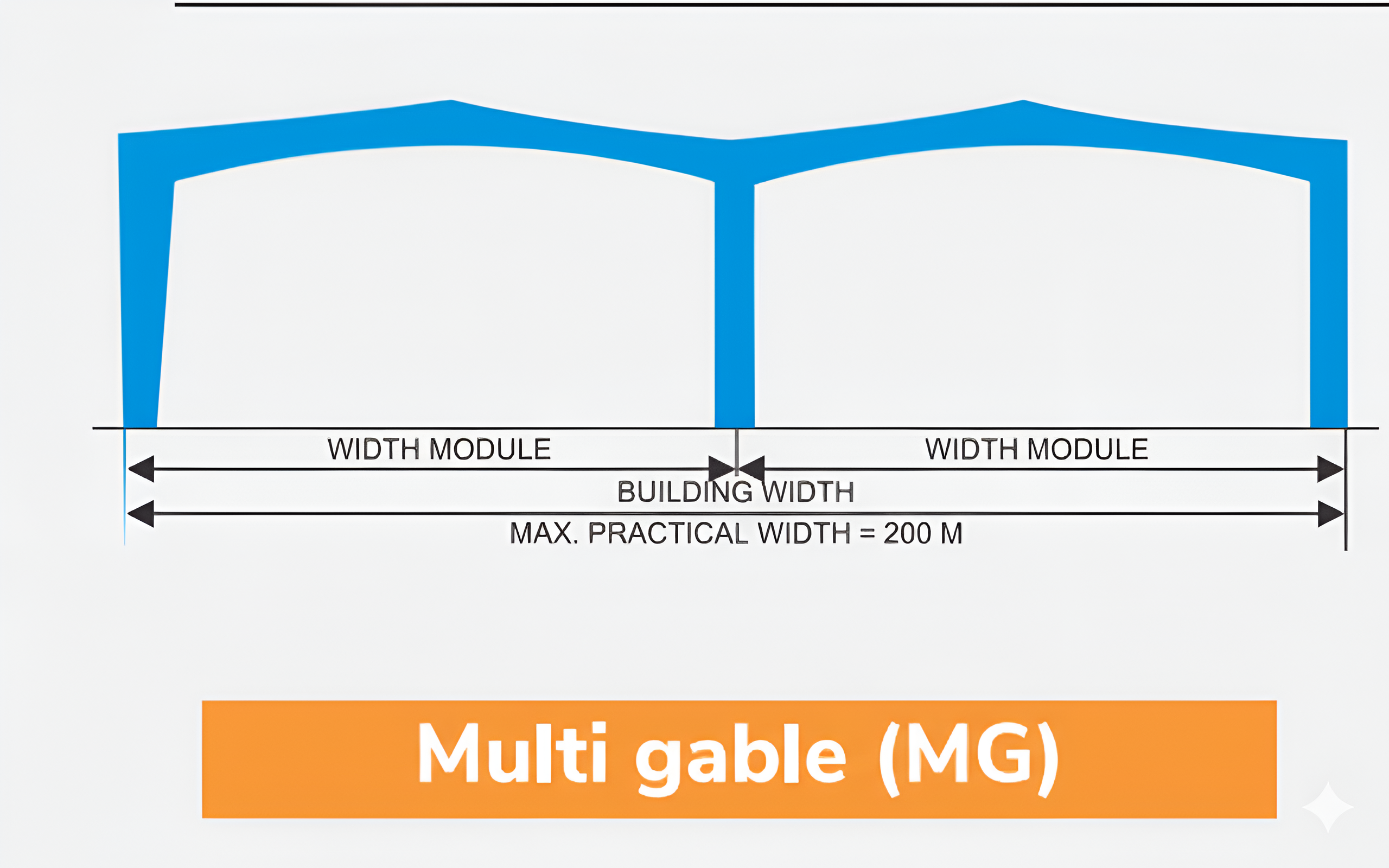
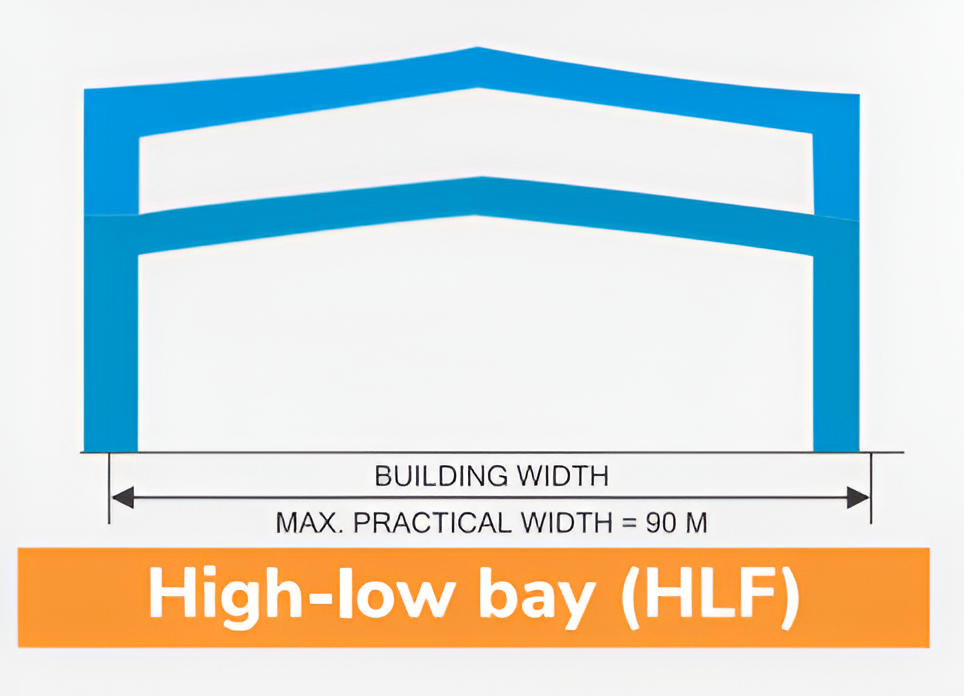
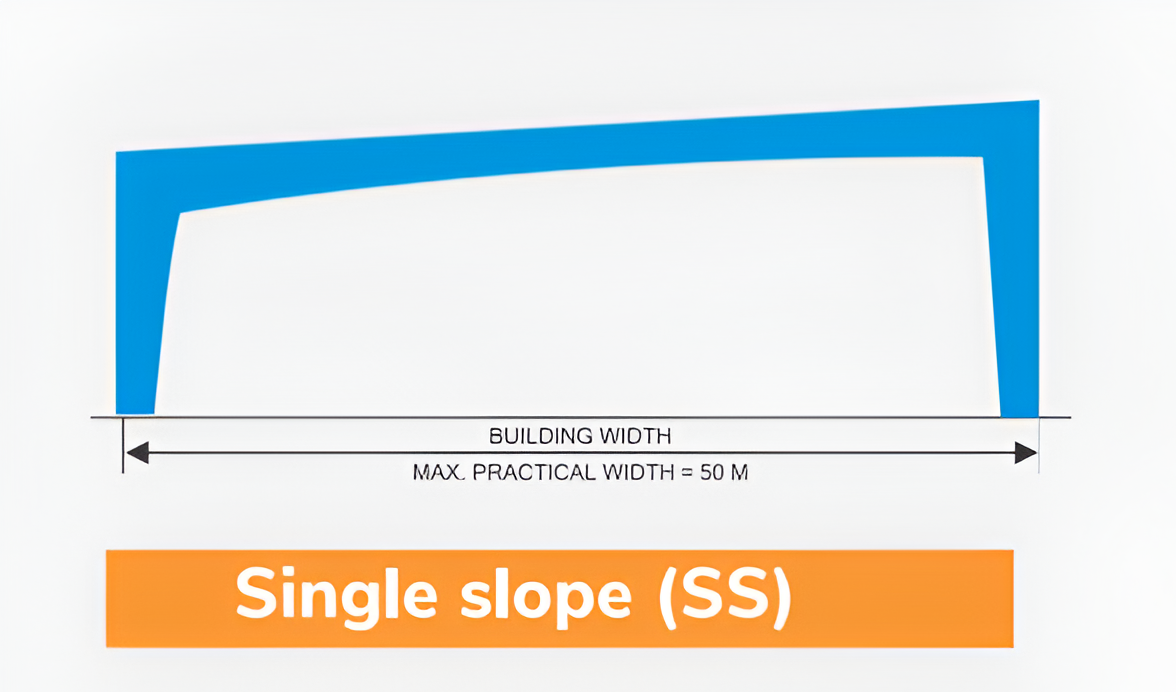
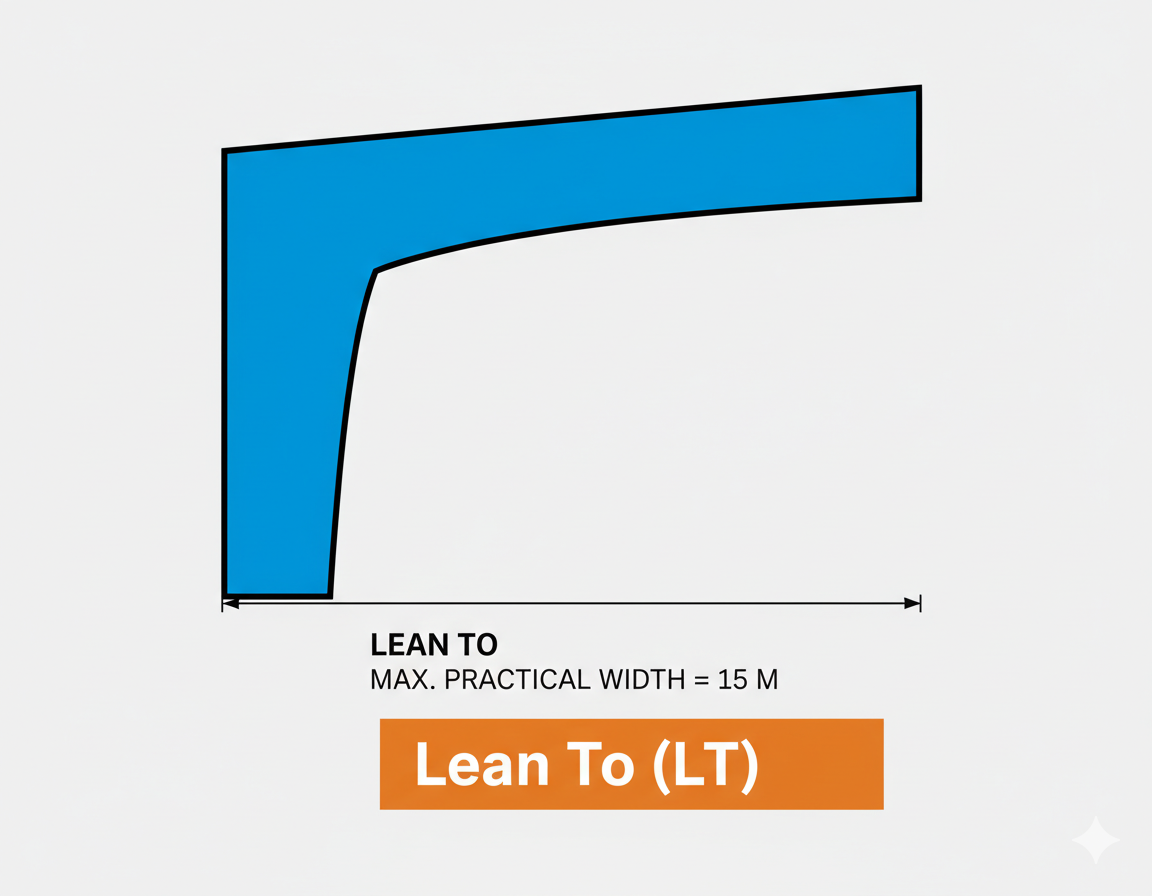
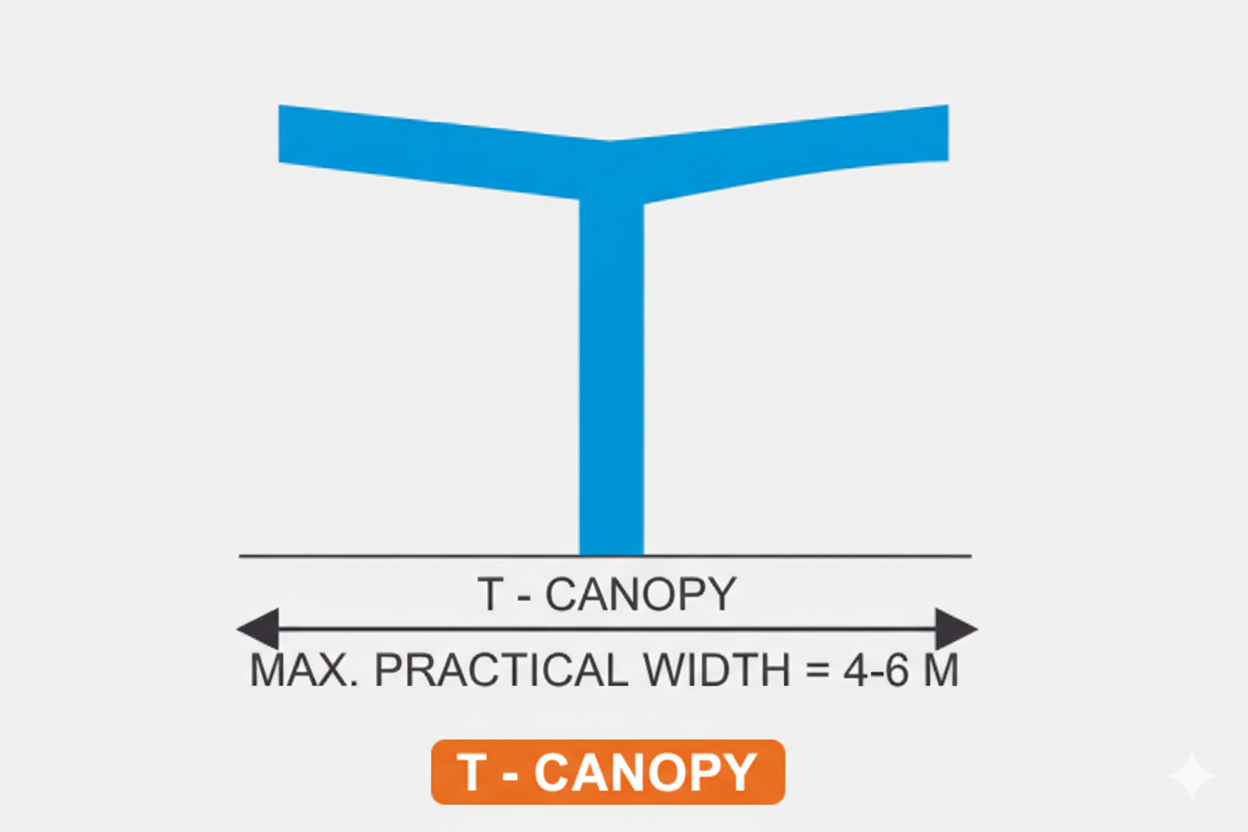
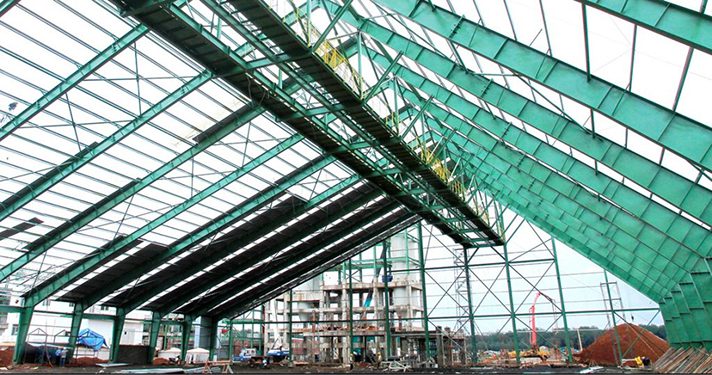
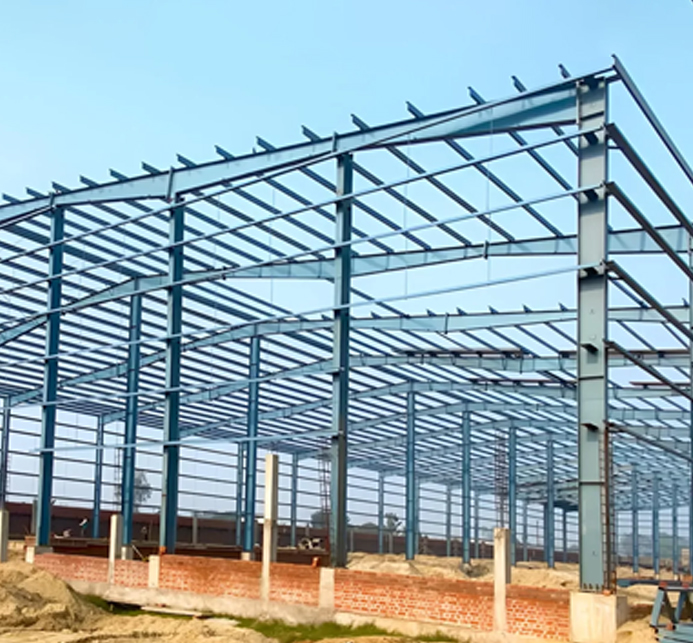
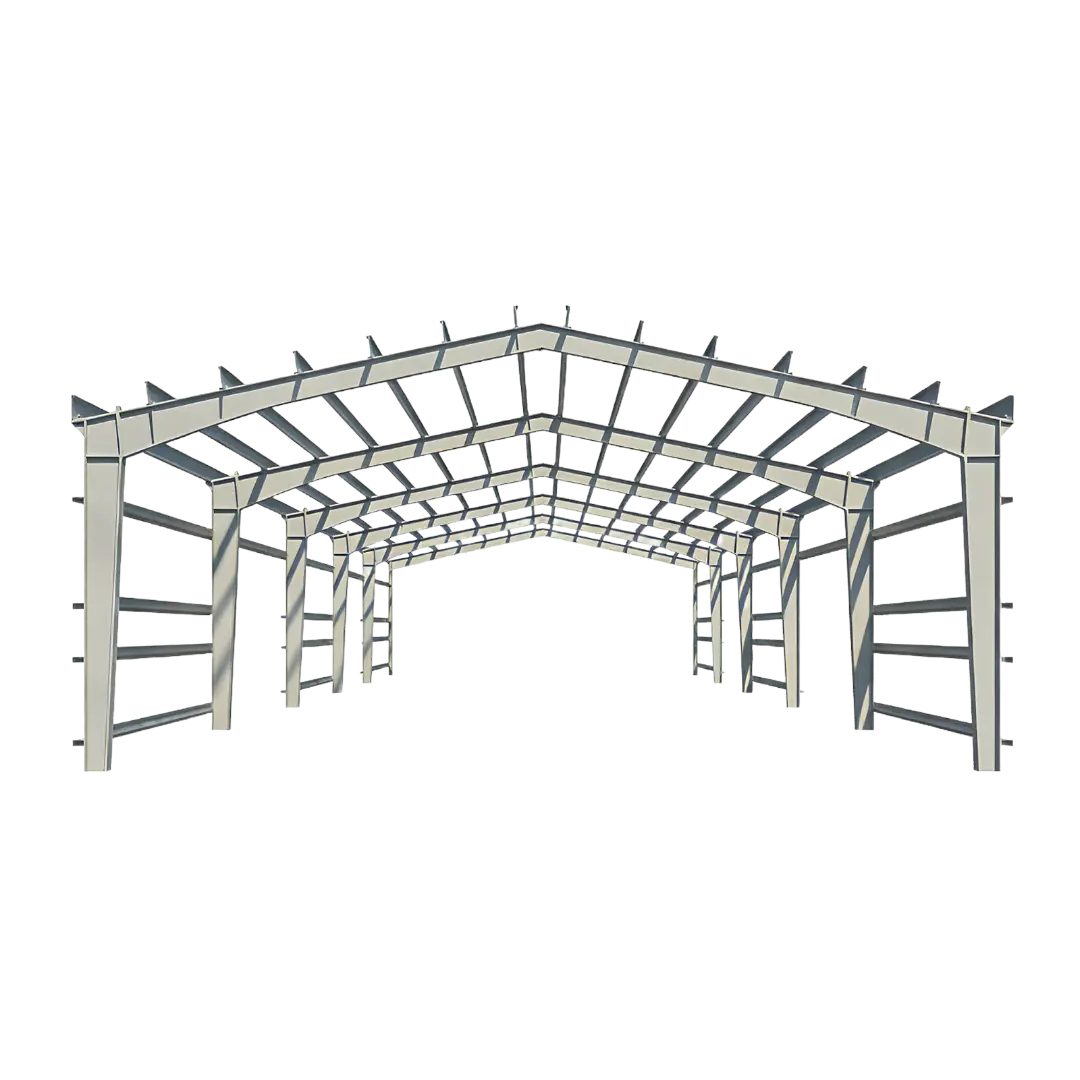
Primary members are the main load-bearing components of a pre-engineered building system. These include anchor bolts, base plates, columns, rafters, and related structural framing elements that form the main building frame.
The size and configuration of these members are engineered based on project-specific span, load, and functional requirements. The structural frame is assembled on site through bolted connections between pre-fabricated end plates, ensuring accuracy and erection efficiency.
All steel sections and fabricated plate members are designed in accordance with applicable international and national standards, including AISC, AISI, MBMA, and relevant IS codes, to meet project specifications and structural performance requirements.
Primary Members
Key Performance Attributes

Engineered Load-Bearing Design
Designed to resist dead loads, live loads, wind loads, seismic loads, and other project-specific structural forces.

Optimized Steel Sections
Built-up or tapered sections are engineered to distribute material efficiently along the member length, reducing excess steel without compromising structural performance.

Bolted End-Plate Connections
Factory-fabricated members are assembled on site using bolted connections, enabling precise alignment and controlled erection.

Code-Compliant Structural Fabrication
Designed and fabricated in accordance with applicable international and national standards such as AISC, AISI, MBMA, and relevant IS codes.
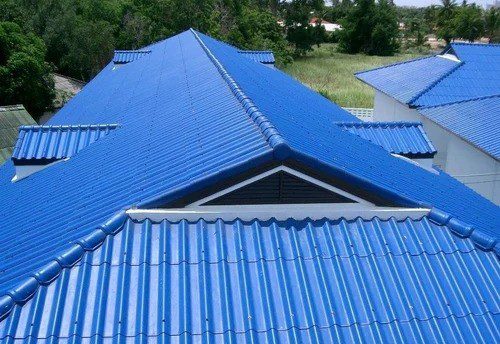
Applications
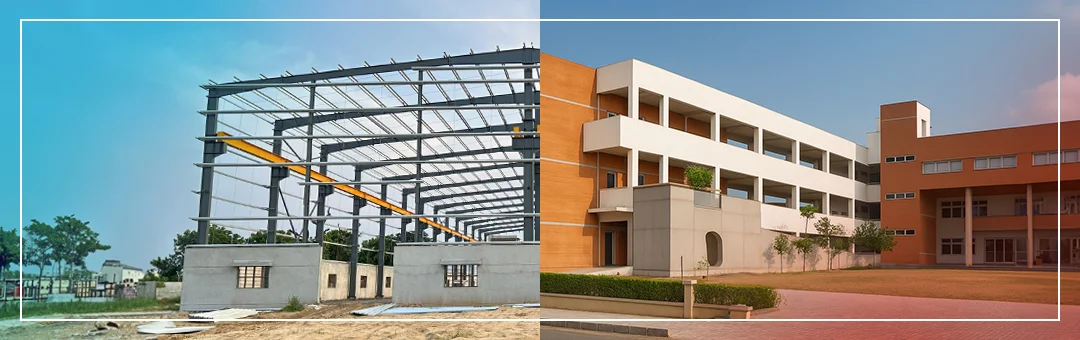
Educational Institutions & Hostels
Ideal for factories, warehouses, and commercial units requiring thermal insulation and durability.
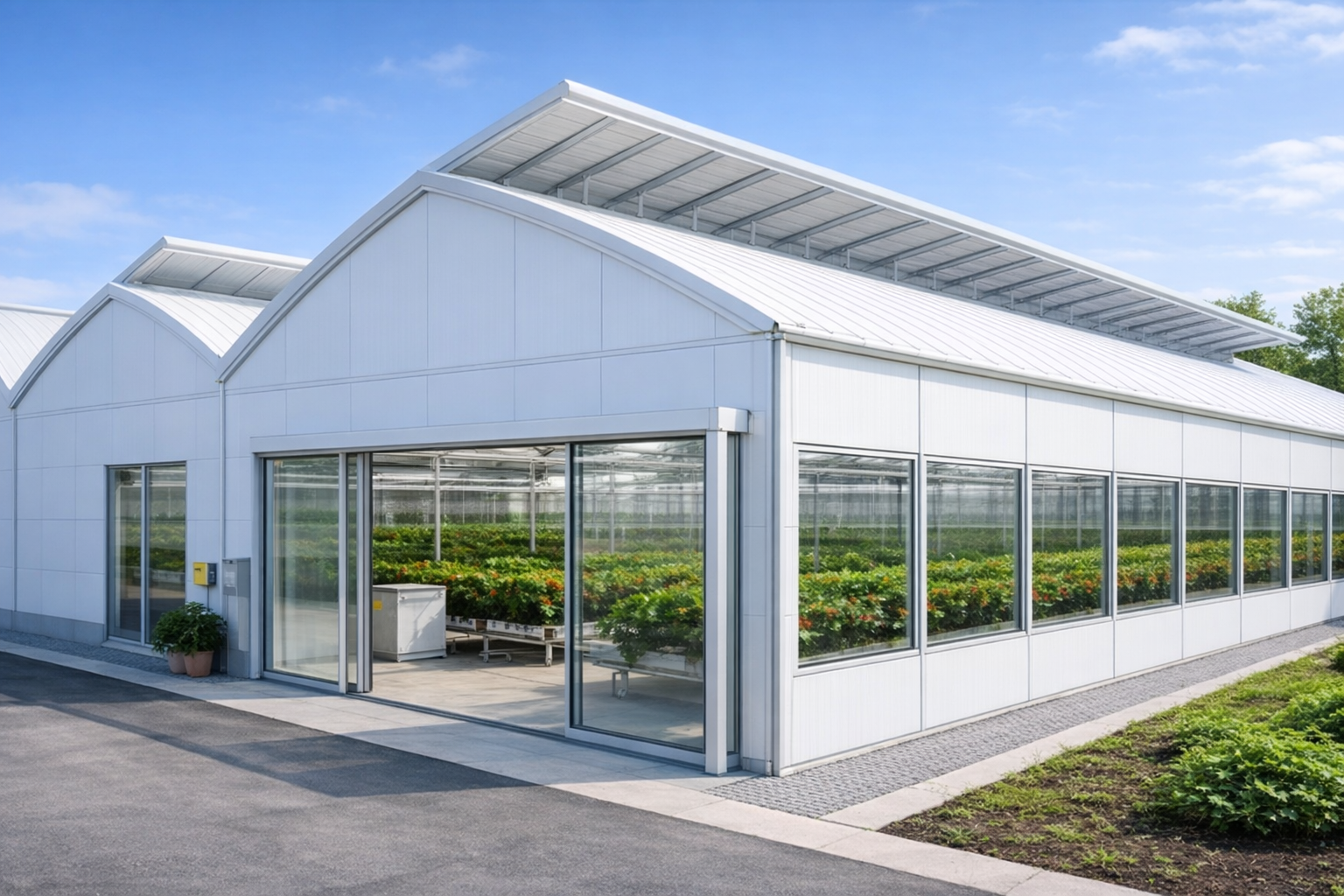
Greenhouses & Controlled Environment Structures
Ideal for factories, warehouses, and commercial units requiring thermal insulation and durability.
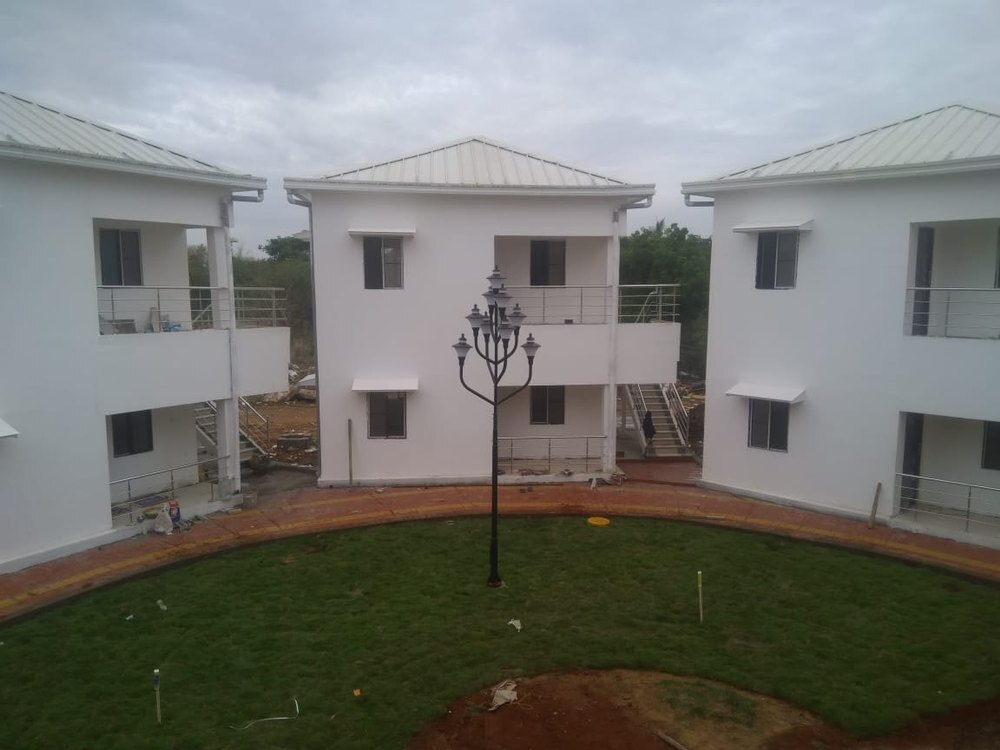
Resorts, Cottages & Guest Houses
Ideal for factories, warehouses, and commercial units requiring thermal insulation and durability.
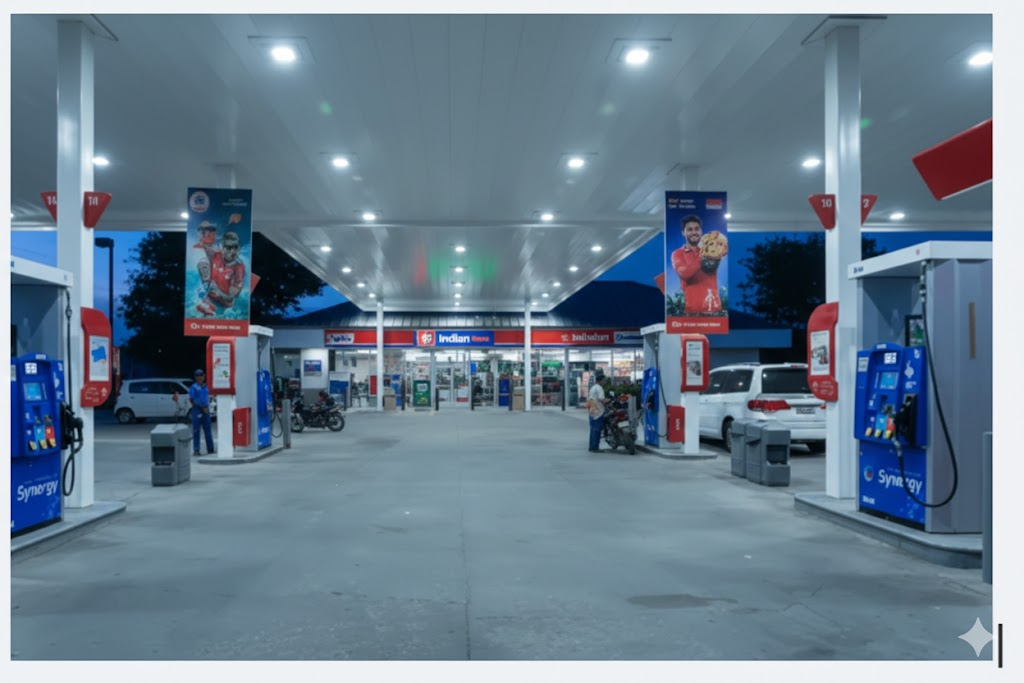
Petrol Stations & Service Centers
Ideal for factories, warehouses, and commercial units requiring thermal insulation and durability.
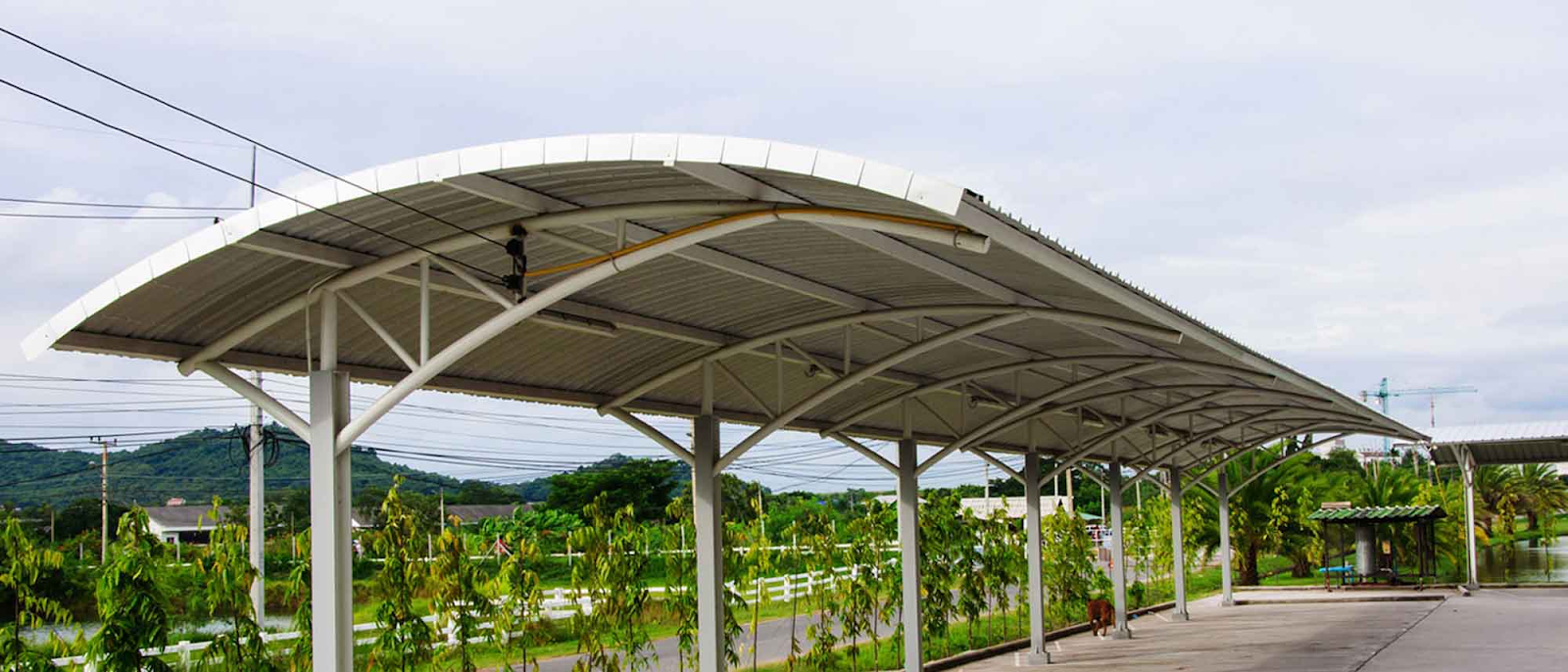
Bus Depots & Parking Sheds
Ideal for factories, warehouses, and commercial units requiring thermal insulation and durability.
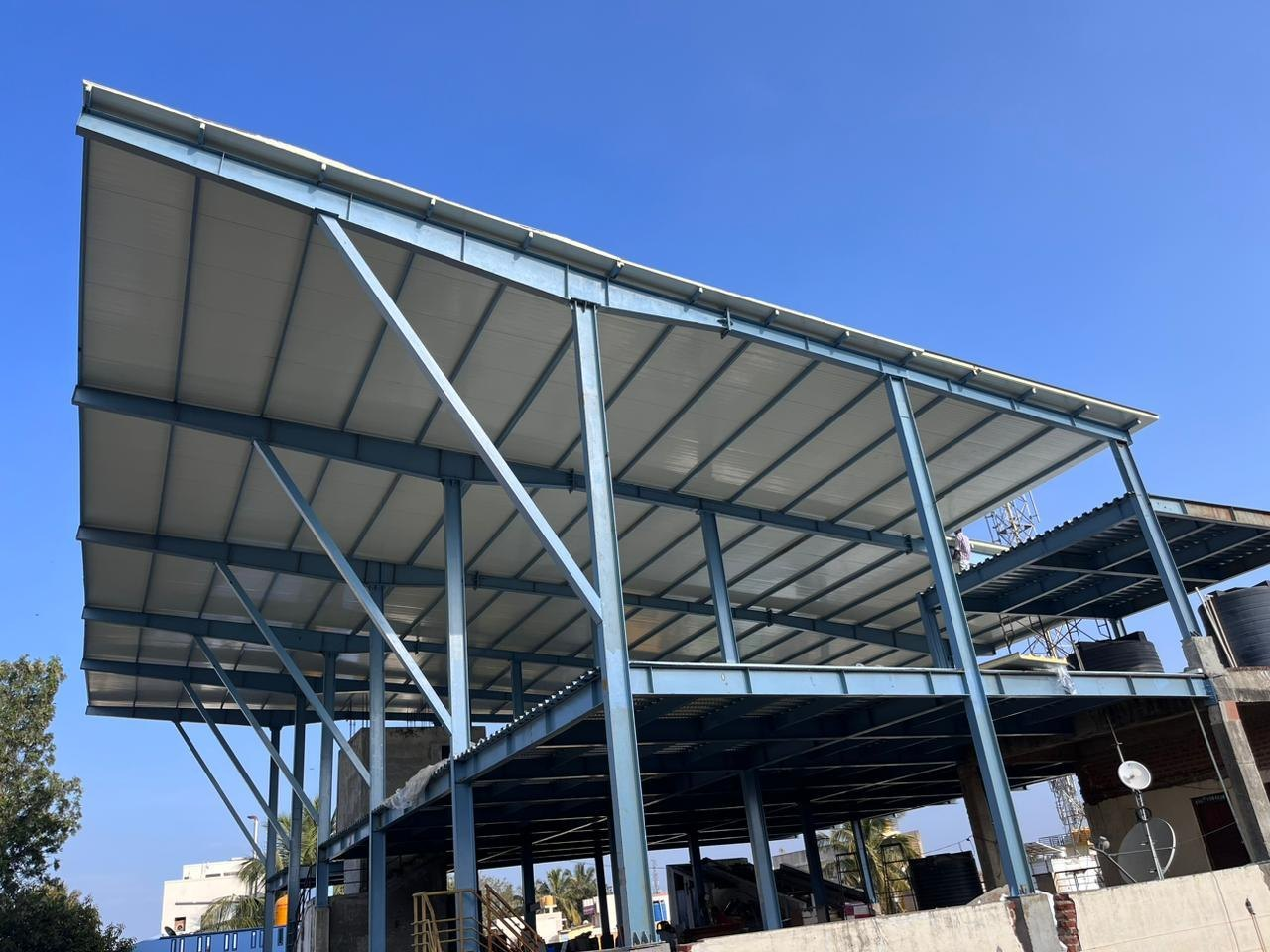
Roof Renovation & Retrofits
Ideal for factories, warehouses, and commercial units requiring thermal insulation and durability
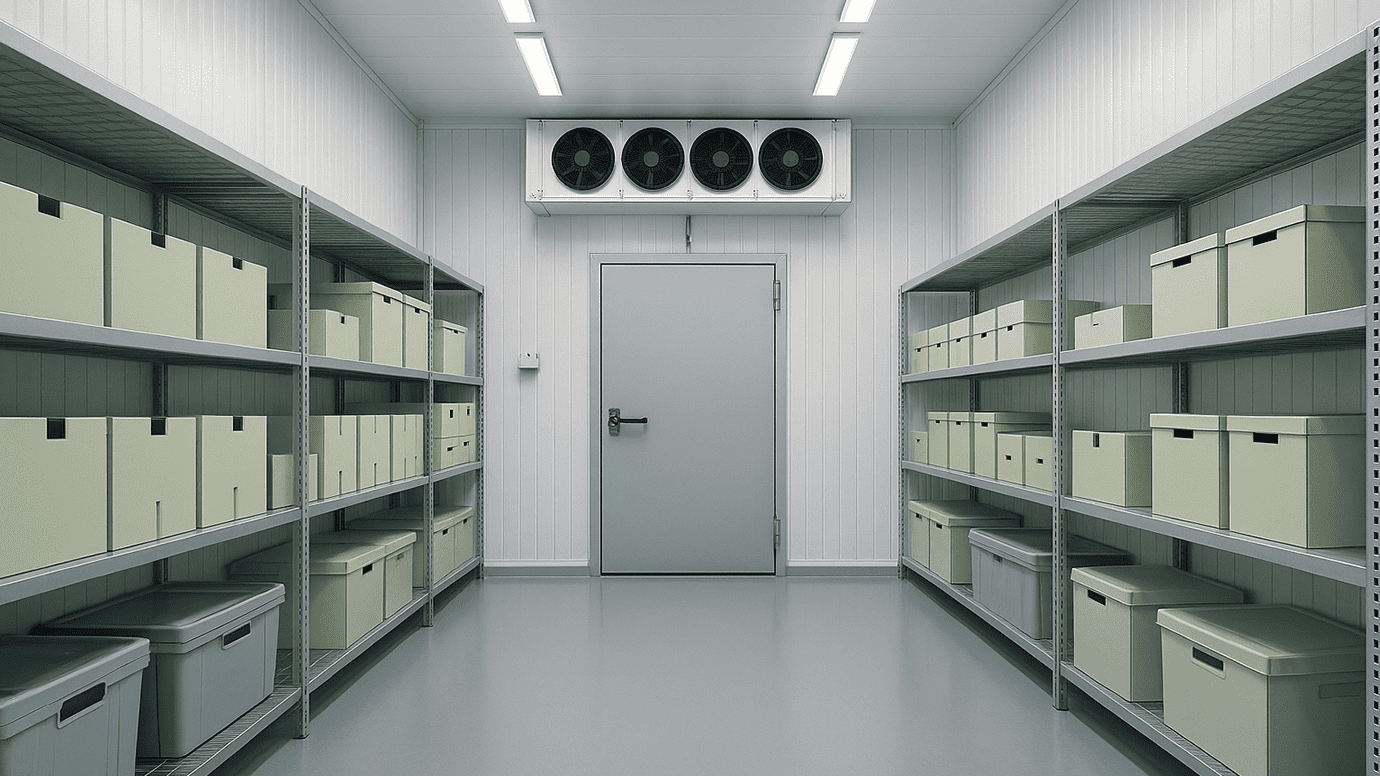
Cold Storage Roofing
Ideal for factories, warehouses, and commercial units requiring thermal insulation and durability.
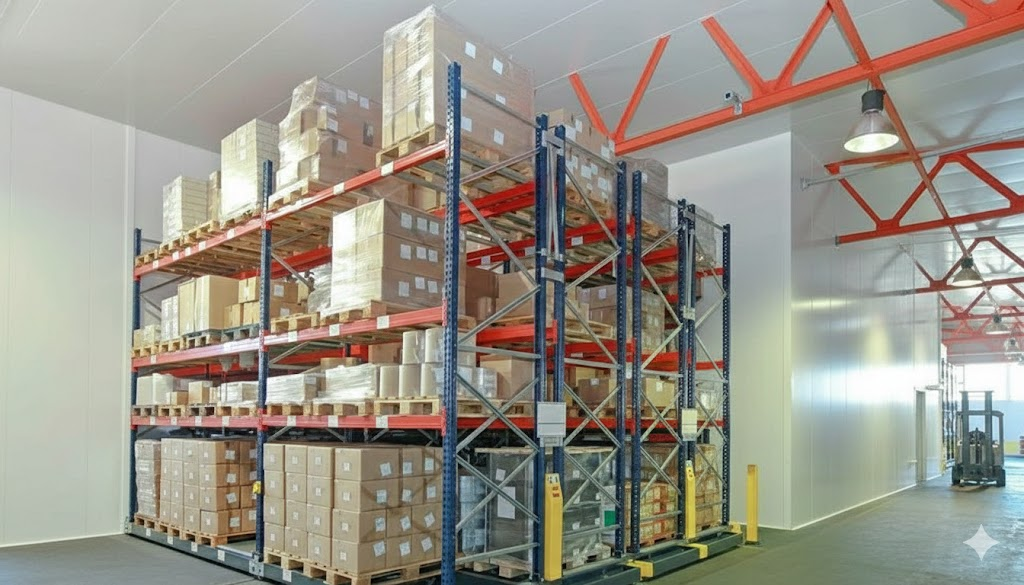
Warehouses & Distribution Centres
Ideal for bulk storage facilities needing wide column-free spaces.
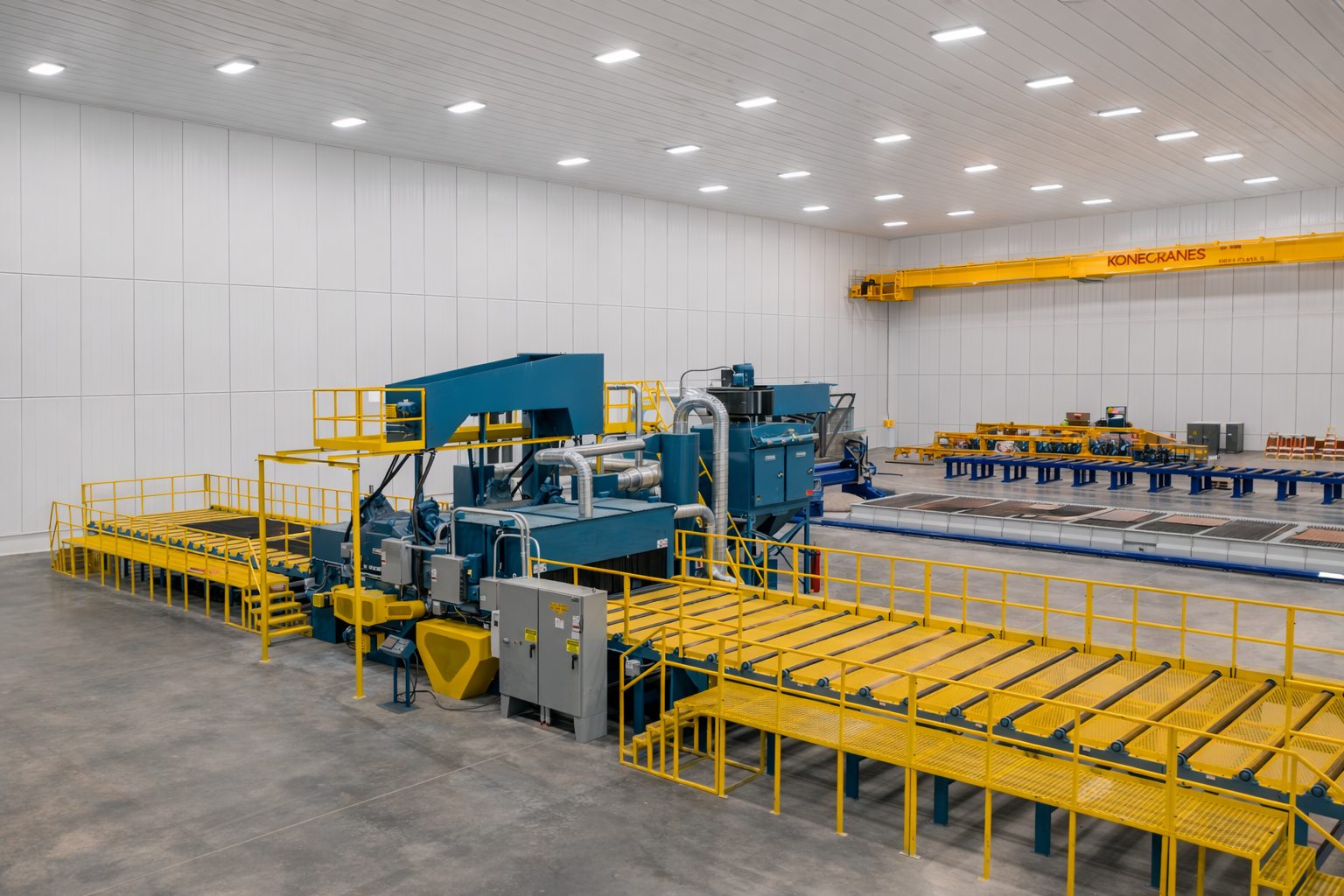
Industrial Manufacturing Plants
Suitable for large-span factory buildings requiring fast construction and structural efficiency.
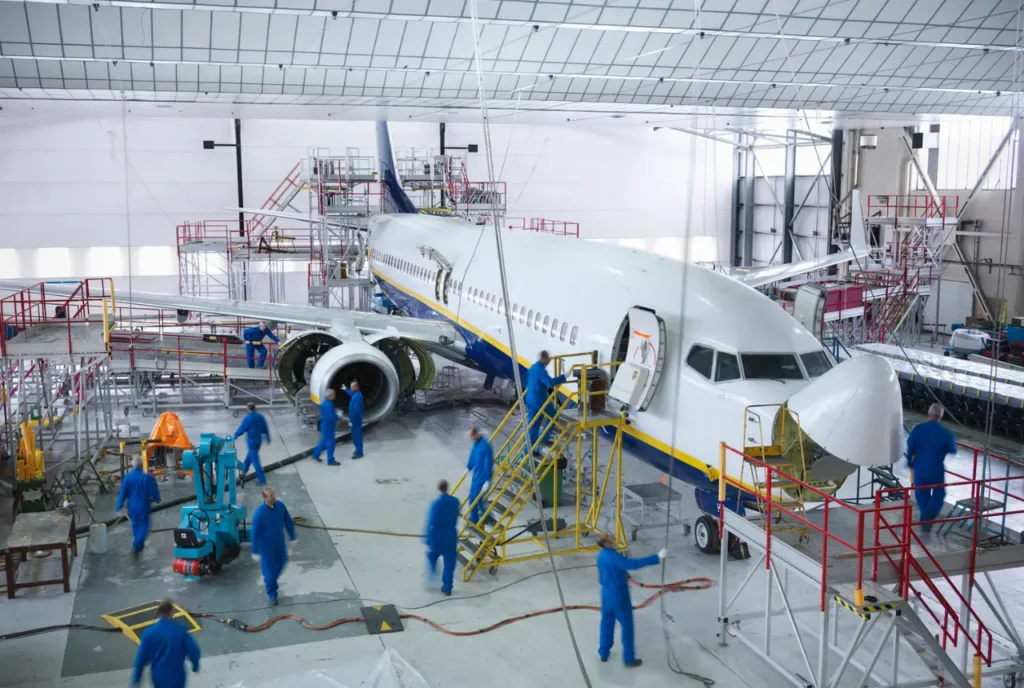
Aircraft Hangars
Used for large clear-span enclosures accommodating aircraft storage and maintenance.
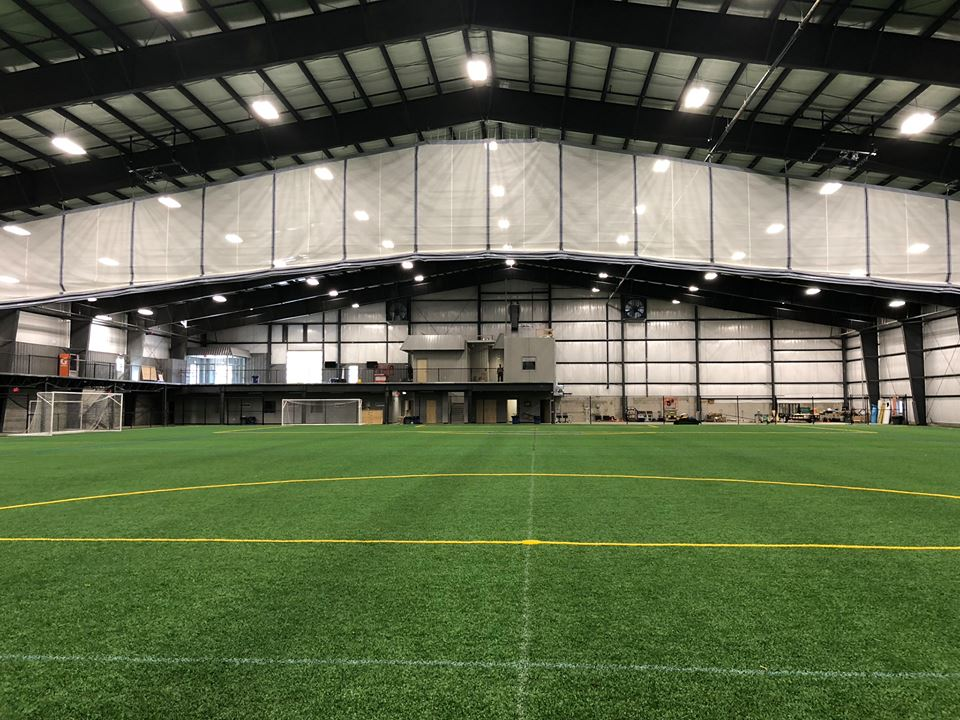
Sports Complexes & Indoor Stadiums
Suitable for wide-span structures such as indoor courts and training facilities.
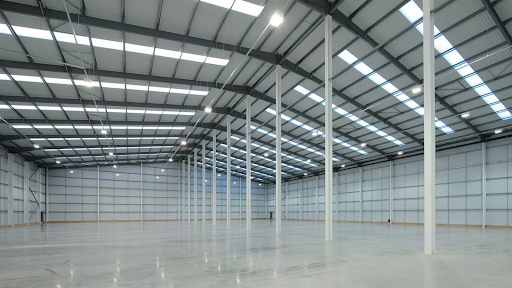
Exhibition Halls & Convention Centres
Provides large covered spaces for public events and trade shows.
Frequently asked Question
A PEB is a customized, factory-fabricated steel building system designed based on specific load, span, and functional requirements before being assembled on site.
In a PEB system, structural members are pre-designed and optimized through engineering software, then fabricated in controlled factory conditions, reducing material wastage and site work compared to conventional fabrication.
Design accounts for dead load, live load, wind load, seismic load, crane load (if applicable), and local code requirements before fabrication begins.
Primary members (columns and rafters), secondary members (purlins and girts), bracing systems, roof and wall cladding, and connection systems form the core structure.
All structural members are factory-fabricated and assembled on site using bolted connections, enabling faster and controlled erection.
Yes, PEB systems are typically designed to allow lengthwise or bay-wise expansion, subject to structural planning during the initial design stage.
Tapered built-up sections and optimized steel design reduce excess material usage while maintaining structural integrity.
Yes, when designed according to relevant codes, PEB structures can be engineered to meet seismic and wind load requirements.
Controlled manufacturing environments ensure dimensional accuracy, consistent welding quality, and adherence to design specifications.
Span requirements, load conditions, intended usage, expansion needs, local climate, and compliance with building codes should be assessed.