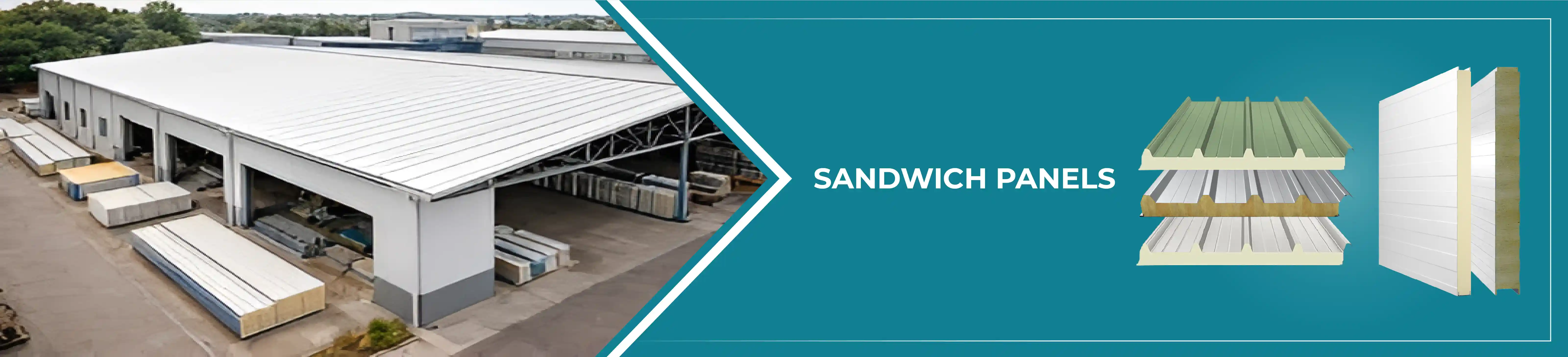
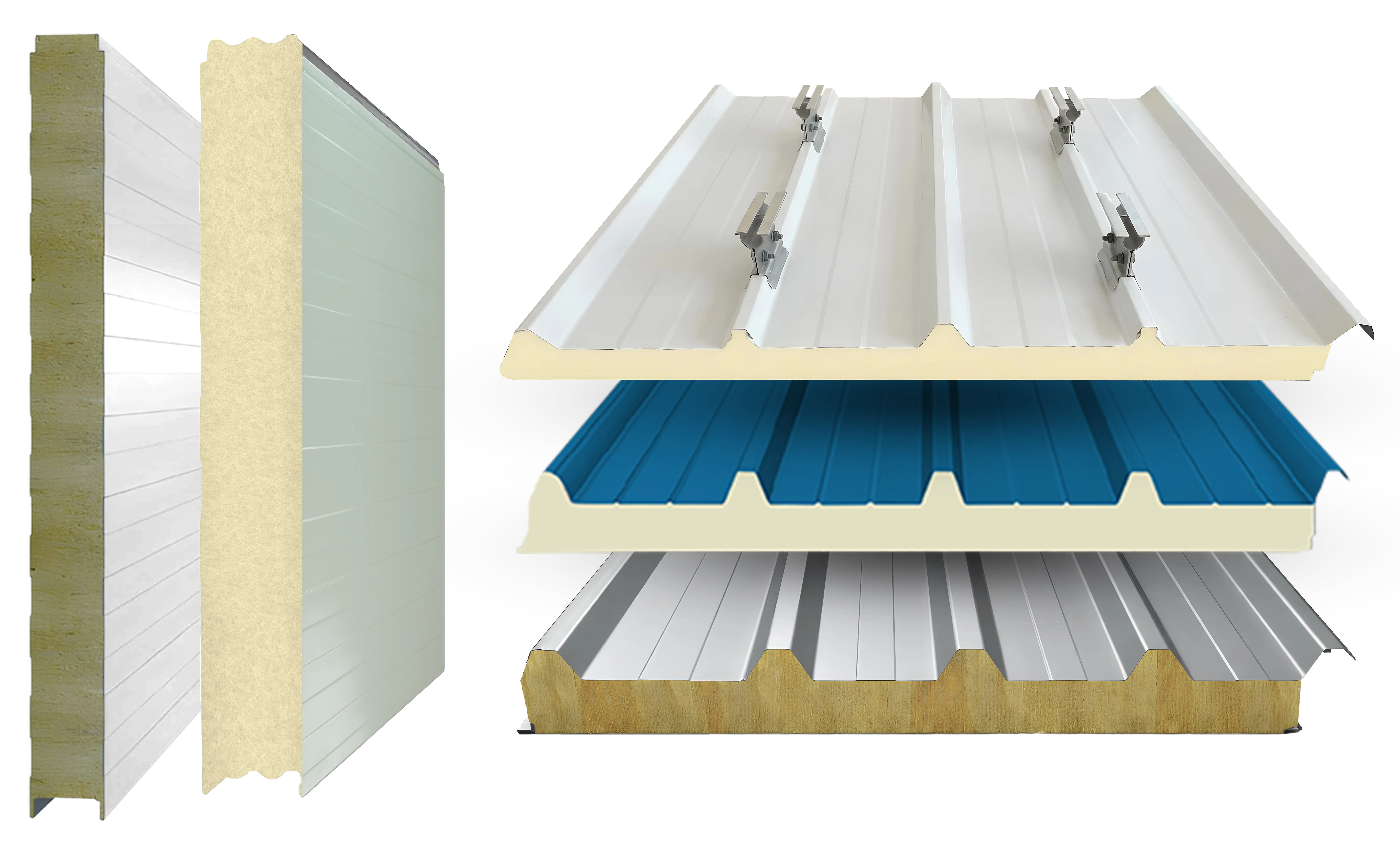
Sandwich panels are factory-manufactured composite building elements consisting of an insulation core [ Polyurethane (PUR) or Polyisocyanurate (PIR) or Rockwool ] bonded between two metal facings. The bonded assembly enables the panel to function as a structural enclosure component while providing thermal insulation and surface protection.
In industrial construction, sandwich panels are used to create integrated building envelopes for roofing, walling, and specialized controlled environments. As a structured sandwich panel manufacturer, Mount designs panel systems that serve both functional and performance-driven construction requirements.
System-Level Engineering Capability
Mount Sandwich Panels are designed as integrated envelope systems rather than standalone products.
System coordination includes:
Integration with Pre-Engineered Building (PEB) structures
Engineered jointing systems for enclosure continuity
Mechanical fastening compatibility
Air and vapor control considerations
Interface detailing with roofing, flooring, and service penetrations
The objective is to ensure that panel systems perform as part of a coordinated structural and enclosure strategy.
Core Technology Variants
| Core Technology | Insulation Material | Typical Use Context | Performance Focus |
|---|---|---|---|
| Polyurethane (PUF) | Rigid polyurethane foam | Industrial & warehouse buildings | Thermal insulation & lightweight construction |
| Polyisocyanurate (PIR) | Fire-retardant foam core | Industrial & commercial buildings | Improved fire behaviour & thermal stability |
| Mineral Wool (Rockwool) | Non-combustible mineral fiber | Fire-sensitive structures | Fire resistance & acoustic performance |
| Clean Room Configurations | PUR / PIR / Rockwool options | Controlled & hygiene-critical facilities | Enclosure integrity & airflow control |
| Cold Room Configurations | High-density PUR / PIR | Refrigerated & cold chain facilities | Temperature retention & vapor control |
Attributes

Thermal Insulation Efficiency
Insulated core reduces heat transfer across the building envelope, supporting controlled internal temperatures.

Integrated Structural Enclosure
Functions as both insulation and external cladding within a single composite panel system.

Lightweight Construction
Lower dead load compared to conventional masonry or concrete systems, improving structural efficiency.

Faster Installation
Factory-fabricated modular panels enable quicker site assembly compared to multi-layer construction methods.
Applications
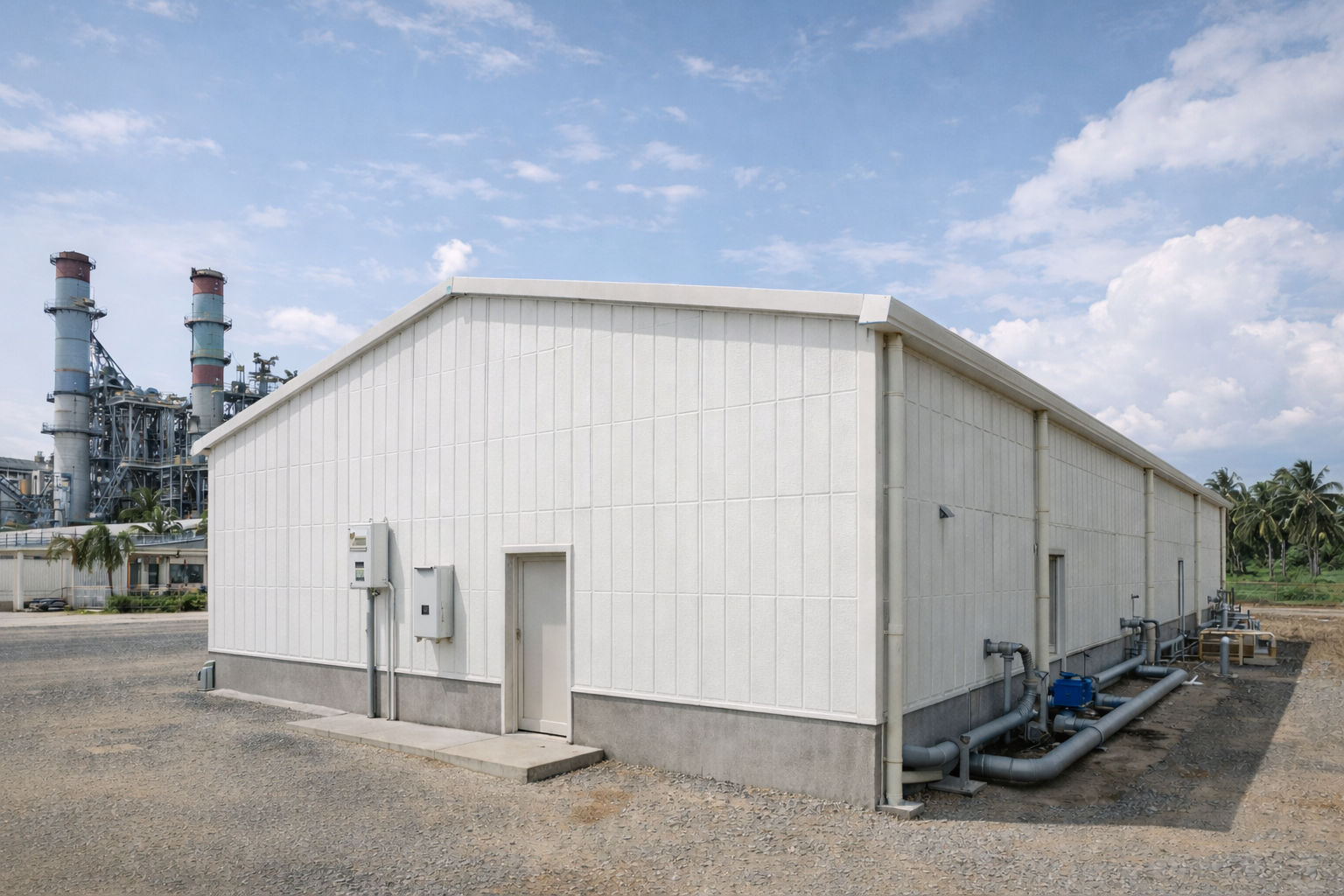
Power Plants
Reduces thermal loss, ensuring operational efficiency.
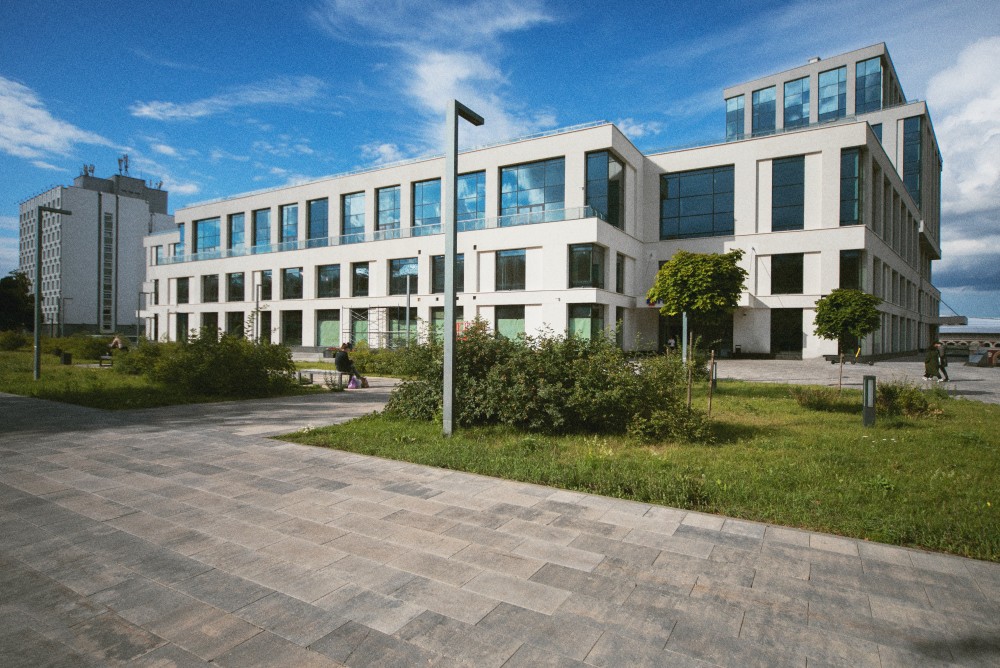
Educational Institutions
Reduces radiant heat across large-span academic buildings.
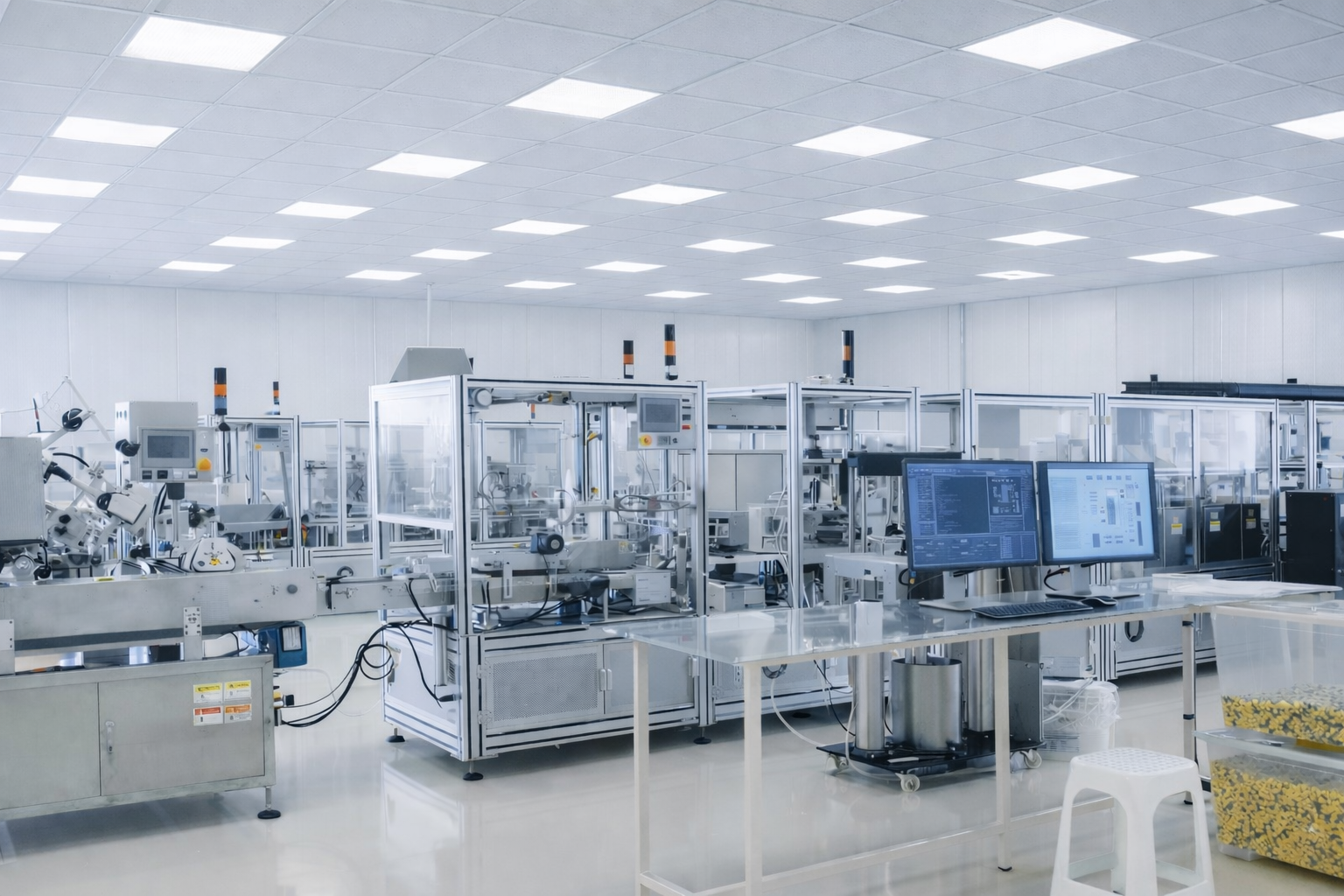
Pharma & Food Facilities
Limits condensation and supports temperature control.
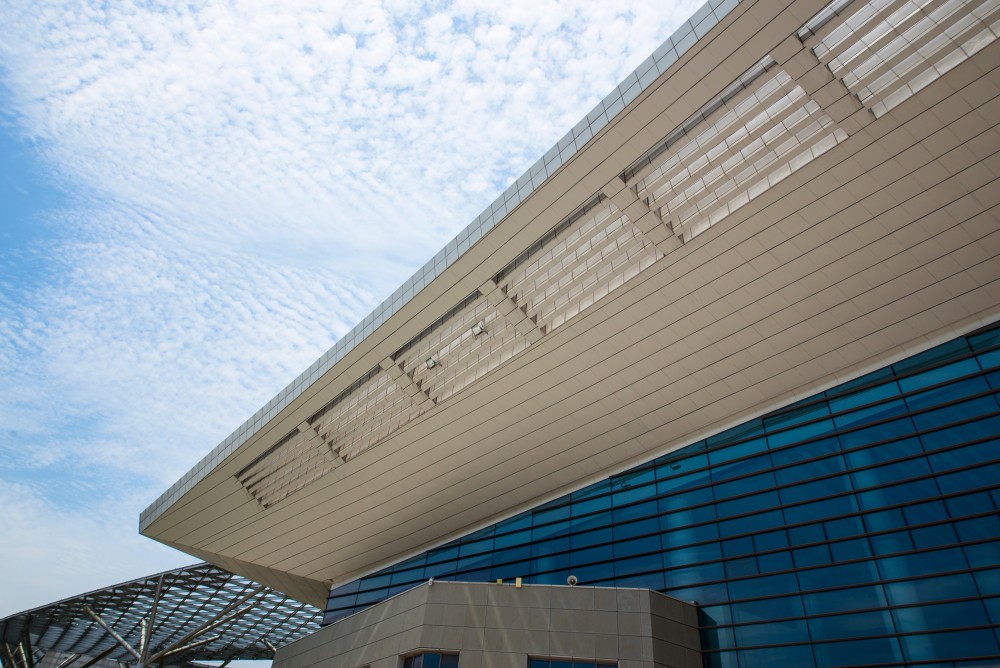
Low-Slope Commercial Roofs
Ensures drainage and long-term weather performance.
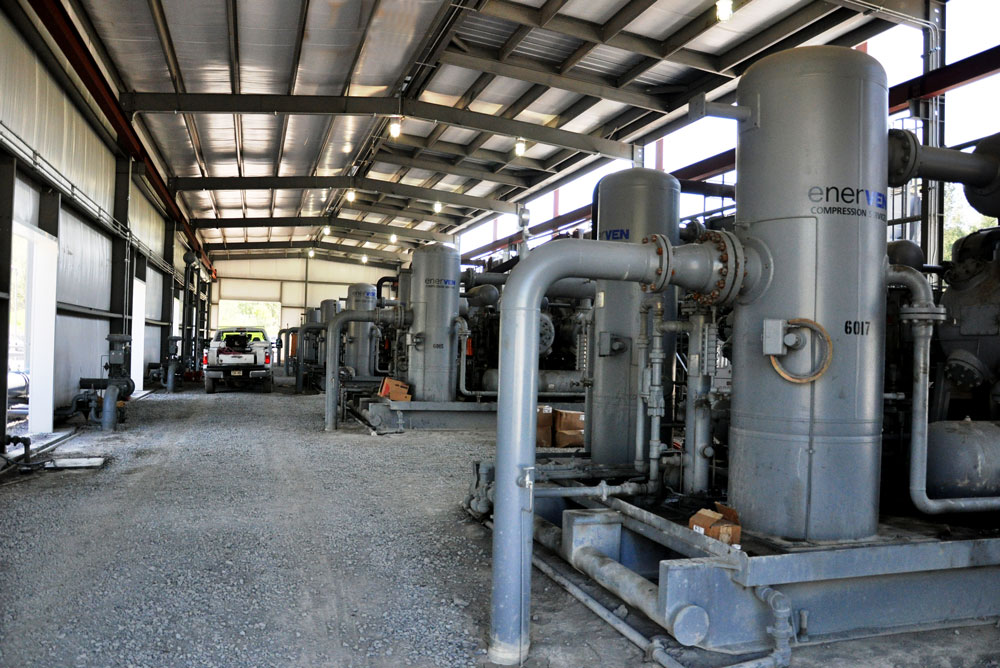
Oil and Gas Facilities
Ensures energy-efficient operation in extreme temperatures.
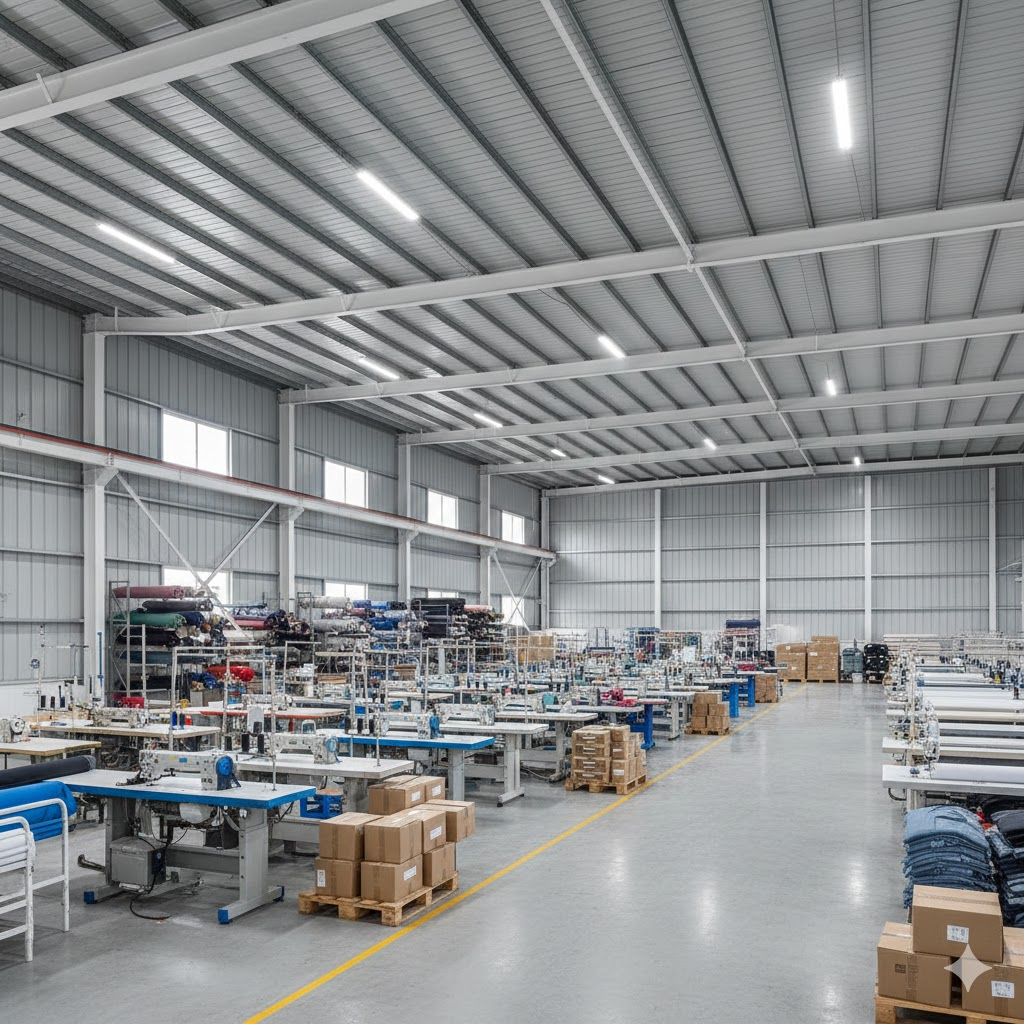
Textile Industry
Supports controlled temperatures for dyeing and weaving processes.
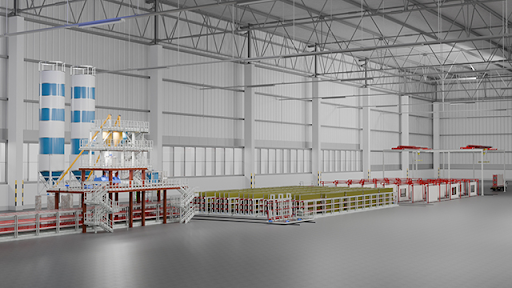
Large-Span Warehouses & DCs
Controls solar heat gain over wide roof spans.
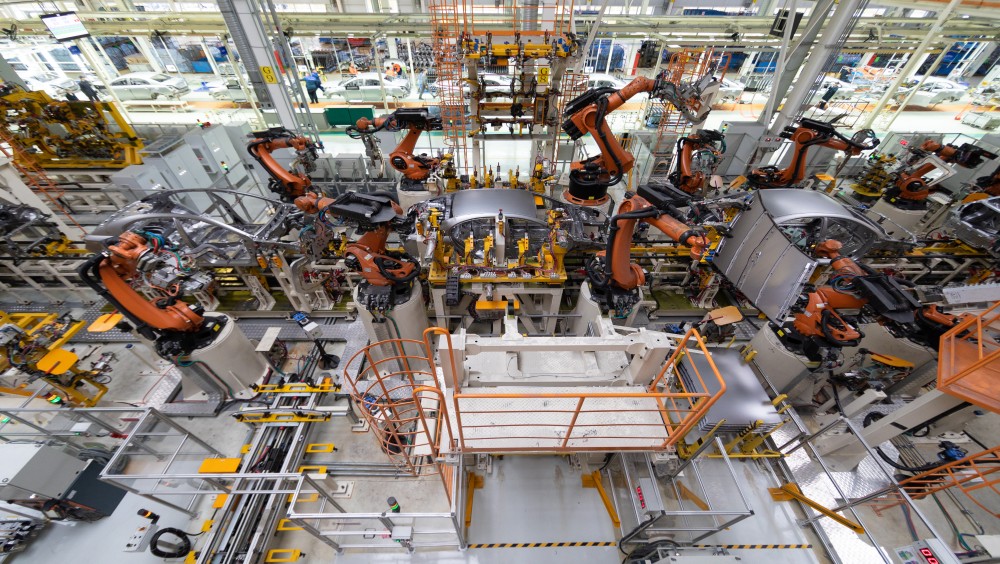
Manufacturing & Process Plants
Stabilizes internal temperatures under solar load.
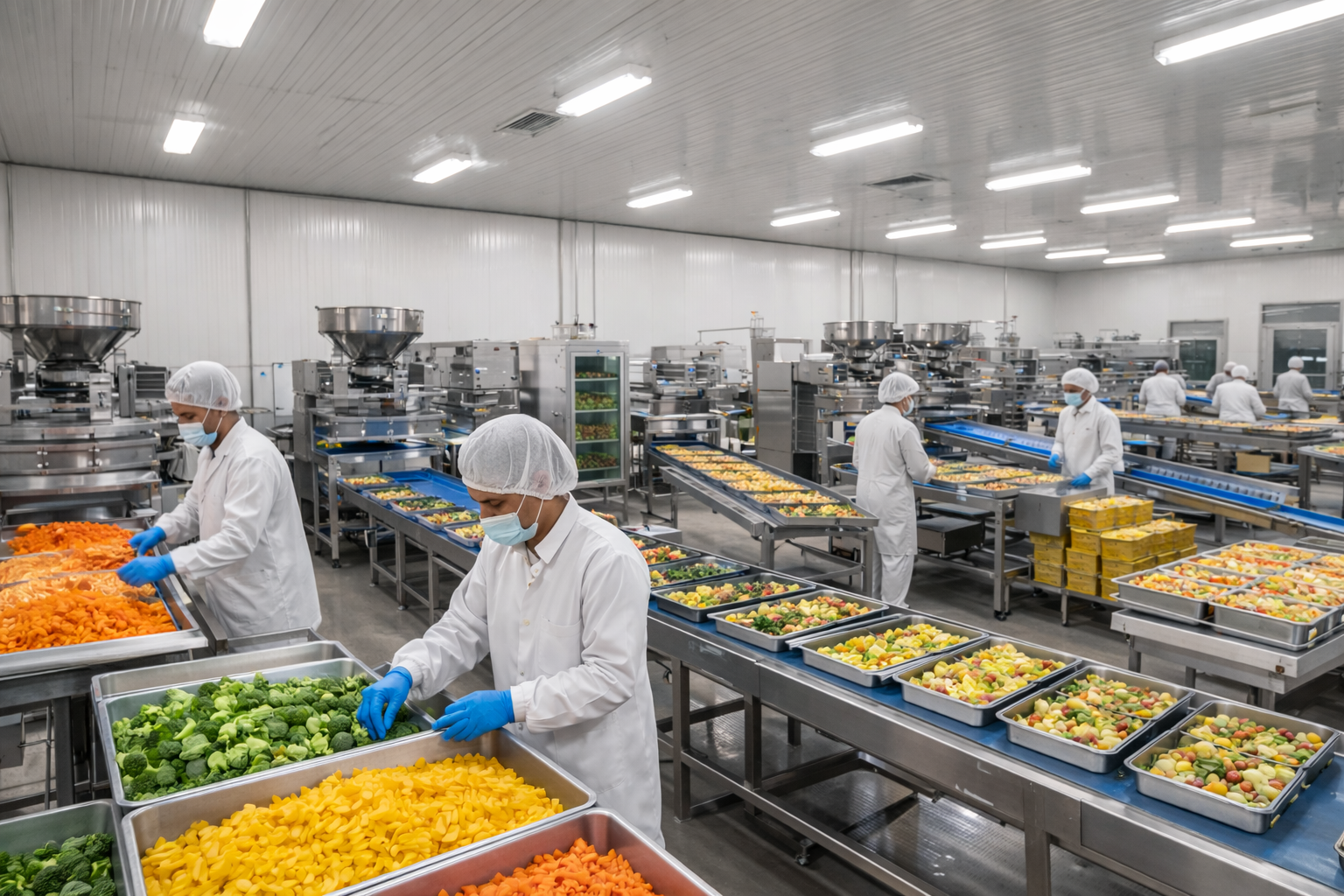
Food Processing & Packaging Zones
Metal-faced insulated panels assist in maintaining moderate temperature stability and surface hygiene.
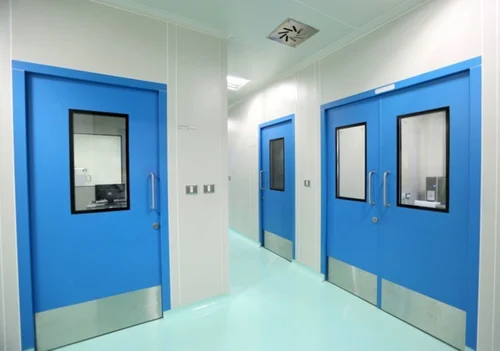
Clean Utility & Process Rooms
Support insulated enclosure systems in plant areas requiring controlled environmental conditions.
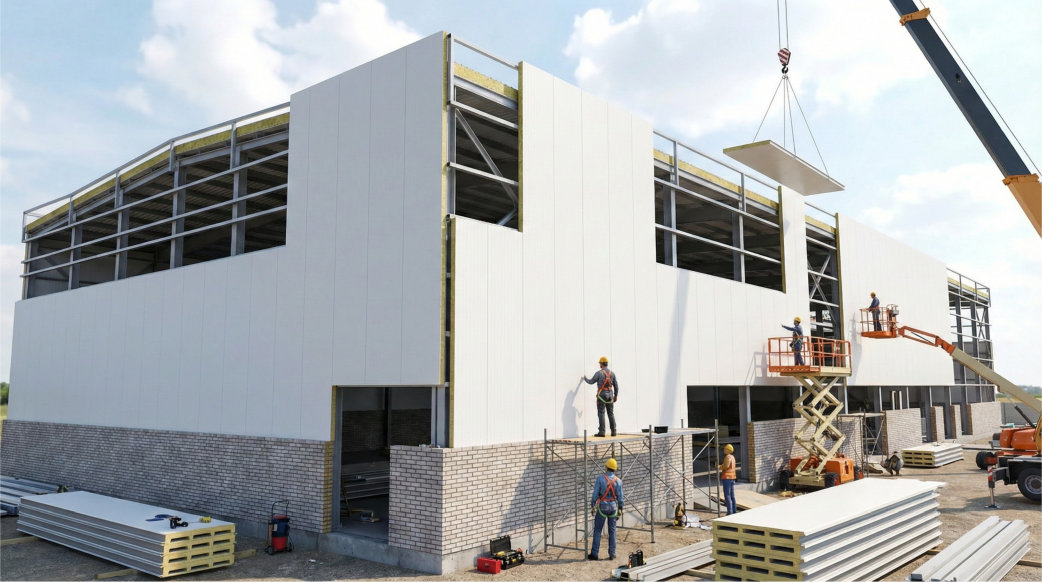
Commercial Sheds & Retail Warehousing
Offer a cost-efficient insulated building envelope for mid-scale commercial developments.
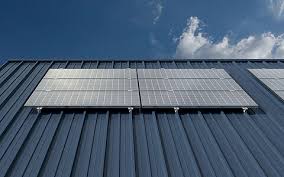
Solar-Integrated Industrial Buildings
Solar-compatible profiled variants enable photovoltaic integration while retaining insulation continuity.
Why choose Mount Sandwich Panels ?
Mount Sandwich Panels are manufactured using automated continuous production lines that ensure consistent core density, uniform bonding strength, and dimensional accuracy across large project volumes. Panel systems are specified based on performance criteria rather than generic configuration.
Mount’s approach focuses on engineered panel systems aligned with structural requirements, installation efficiency, and long-term enclosure performance at the project level to ensure suitability.
Frequently Asked Questions
Sandwich panels are factory-manufactured building panels made of an insulating core [Polyurethane (PUR) or Polyisocyanurate (PIR) or Rockwool] bonded between two metal sheets. The outer sheets provide strength and protection, while the core provides thermal insulation. They are commonly used for roofing and wall systems in industrial, commercial, cleanroom, and cold storage buildings because they combine structure and insulation in a single panel.
Yes, specialized sandwich panels for roofing are designed with profiled top sheets to support drainage, span capability, and structural performance in industrial buildings.
Yes, sandwich panels for walls are engineered for vertical enclosure systems, providing insulation, surface finish, and structural integration with steel framing.
PIR insulation results in improved reaction-to-fire performance and greater thermal stability at elevated temperatures compared to standard PUF. PIR typically forms a protective char layer under fire exposure, whereas conventional PUF may soften or degrade at lower temperatures.
Rockwool panels are typically chosen where non-combustible core materials are required for fire performance considerations.
Thickness is determined by insulation requirements, internal temperature targets, structural span, and project specifications.
Yes, they are designed to coordinate with Pre-Engineered Building (PEB) structural systems.
Yes, specialized cold room panel systems are engineered for temperature-controlled and refrigerated environments.
Core material type, panel thickness, joint detailing, and overall system configuration influence fire classification.
Yes. Sandwich panels are factory-manufactured building components that combine insulation and external cladding in a single pre-finished unit. Because they arrive on site ready for installation, they eliminate multiple traditional construction steps such as masonry walling, internal insulation layering, plastering, and surface finishing.