 Mar 7, 2026
Top 10 Applications of PUF Sandwich Wall Panels in Construction
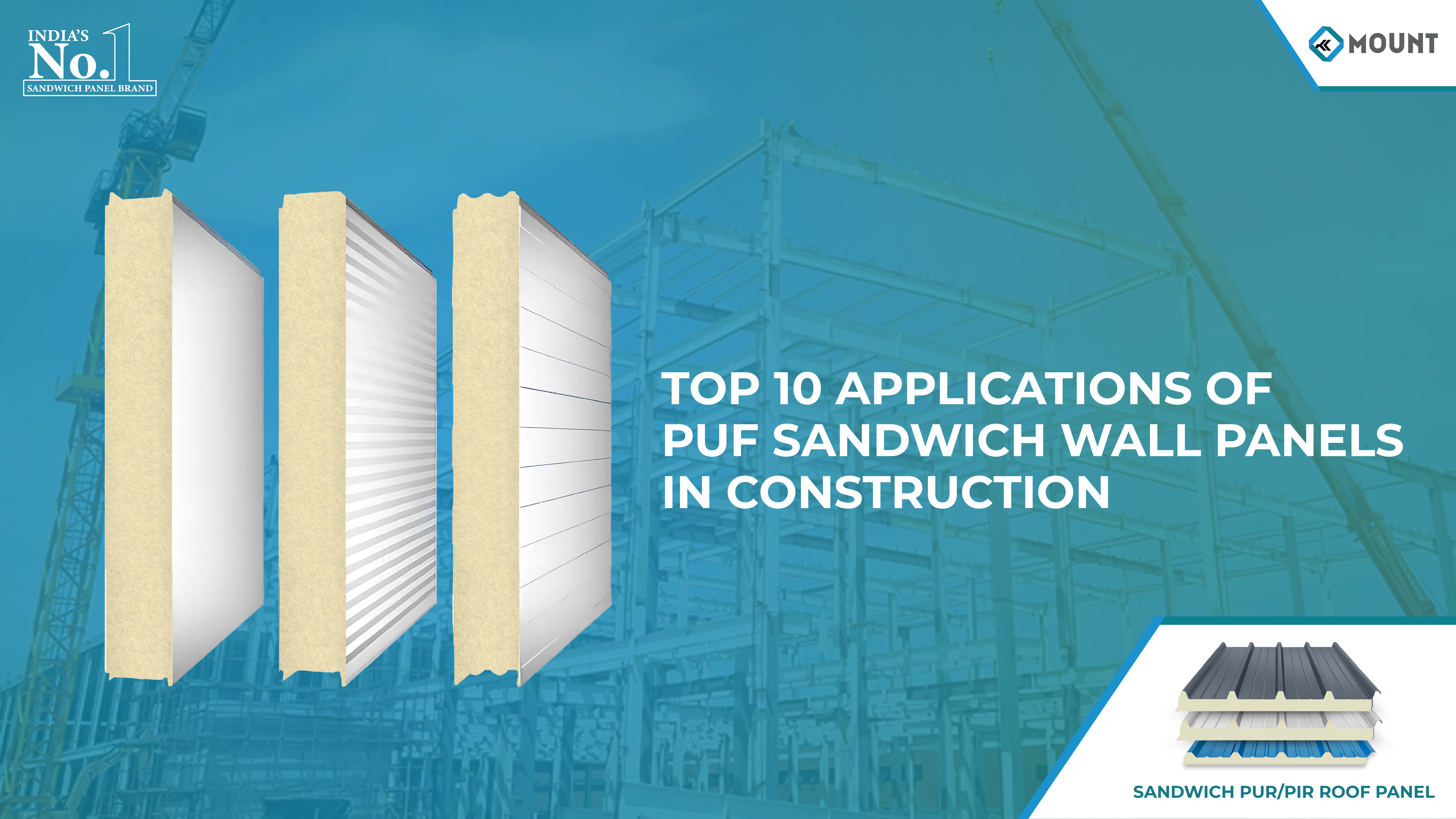
Performance metrics, thermal control, commissioning schedules, durability under operational stress, and lifecycle cost predictability are the main factors influencing construction today. Wall systems now have a direct impact on energy behavior, hygienic compliance, and structural efficiency; they are no longer passive components. In this environment, PUF Panels have moved beyond conventional cladding and become engineered envelope components across industrial and commercial projects.
Mount Roofing & Structures, recognized among the Top PUF Panels Manufacturer And Suppliers In India, approaches insulated wall systems as precision-built assemblies. The following applications are organized by functional requirement, highlighting where these systems create tangible technical value.
1. Cold Storage and Temperature-Sensitive Facilities
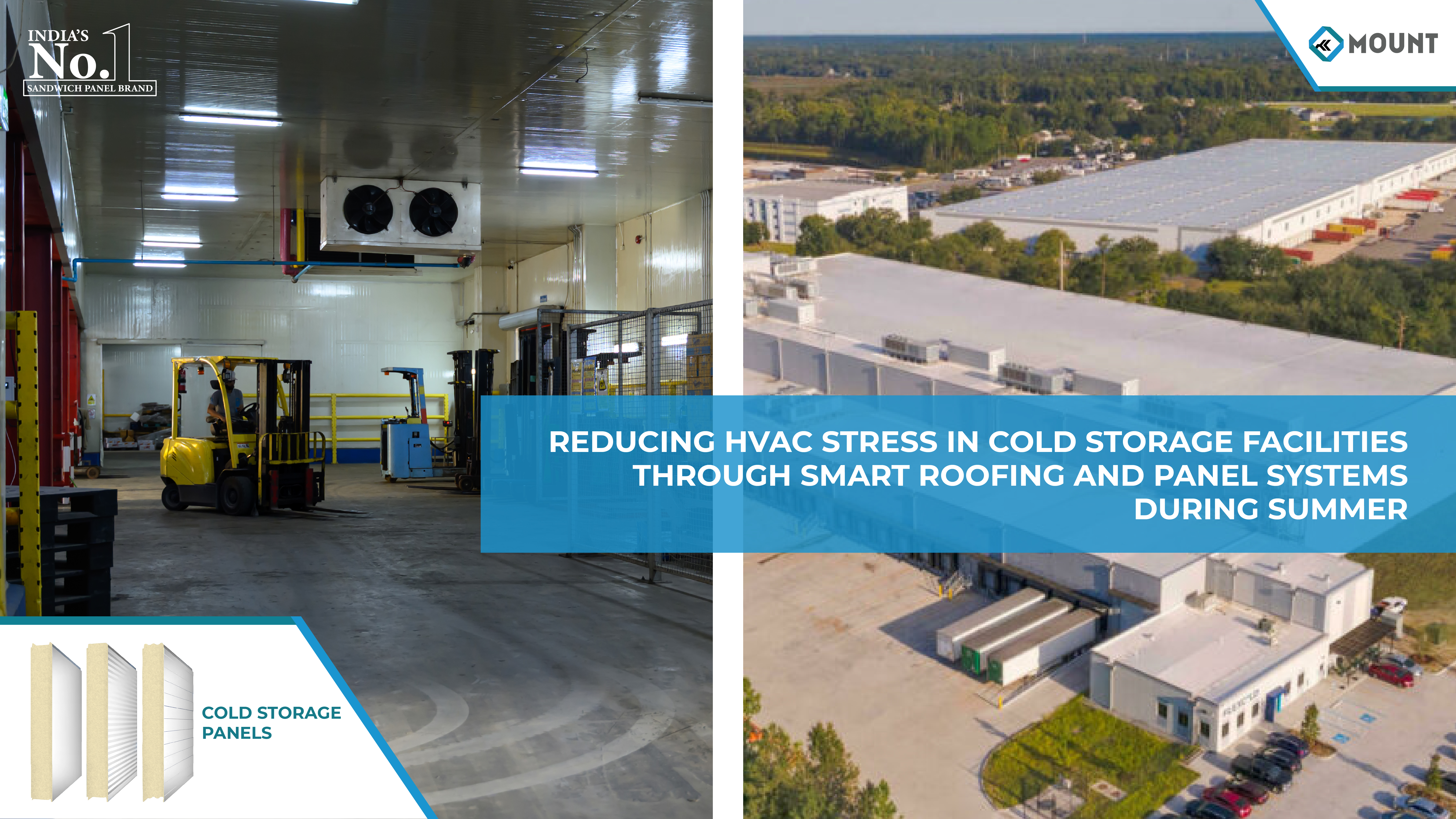
Cold chain infrastructure depends on envelope stability. Even minor inconsistencies in joint alignment or insulation continuity can affect internal environmental control.
sandwich panels for cold storage are specifically suited for such facilities due to their insulated core and tight interlocking profiles. They minimize external heat intrusion and reduce condensation risks along wall junctions. For pharmaceutical warehouses and food preservation units, this translates into operational reliability.
2. Logistics Warehouses and Distribution Centers
Fast enclosure is necessary for large-span warehousing without sacrificing structural coordination. Warehouse sandwich panels make it possible to install walls quickly, which lowers the amount of labor required on-site and speeds up commissioning times.
Surface quality and dimensional consistency are consistent across high elevations because the panels are factory-finished when they arrive. For logistics operators operating under tight deadlines, this facilitates quicker handover.
3. Data Centers and Controlled IT Infrastructure
Environmental stability is critical in data processing facilities. sandwich panels for data centers help create thermally regulated enclosures that support consistent cooling strategies and controlled airflow planning.
When manufactured with precision core density and tight joint tolerances, insulated wall systems contribute to predictable envelope behavior, an essential requirement for mission-critical infrastructure.
4. Food Processing and Clean Manufacturing Environments
Food-grade environments require smooth internal surfaces, resistance to moisture exposure, and structural integrity over repeated wash cycles. PUF Panels are well suited to these settings because their non-porous surfaces facilitate cleaning while maintaining insulation performance.
Mount’s focus on core uniformity and joint sealing enhances wall alignment, minimizing micro-gaps that could compromise hygiene compliance.
5. Poultry and Agri-Industrial Structures
Livestock productivity is directly impacted by environmental regulations in poultry sheds. Applications for sandwich panel poultry sheds profit from thermal moderation, which shields internal conditions from outside weather variations.
Furthermore, in humid rural environments, corrosion-resistant finishes increase longevity and lower the need for ongoing maintenance.
6. Manufacturing Plants and Production Units
Industrial facilities often operate under thermal stress due to machinery heat generation. sandwich panels for manufacturing plants assist in maintaining interior balance while enabling quick construction of large production enclosures.
As an experienced sandwich panel manufacturer, Mount aligns panel specifications with structural grids and service penetrations to ensure seamless integration across industrial campuses.
7. Automobile and Heavy Engineering Facilities
Automobile plants demand expansive, thermally stable enclosures to support assembly lines and paint operations. sandwich panels for automobile plants contribute to energy-efficient environments while maintaining structural continuity across tall elevations.
Their predictable performance makes them suitable for facilities requiring phased expansion and coordinated engineering planning.
8. Modular Site Offices and Institutional Buildings
Temporary offices, training centers, and institutional blocks benefit from rapid deployment. Insulated wall panels allow quick enclosure compared to conventional brick construction.
Mount’s execution planning ensures panel alignment, accurate fitment, and minimal on-site rework, particularly valuable in fast-moving infrastructure projects.
9. Commercial and Retail Infrastructure
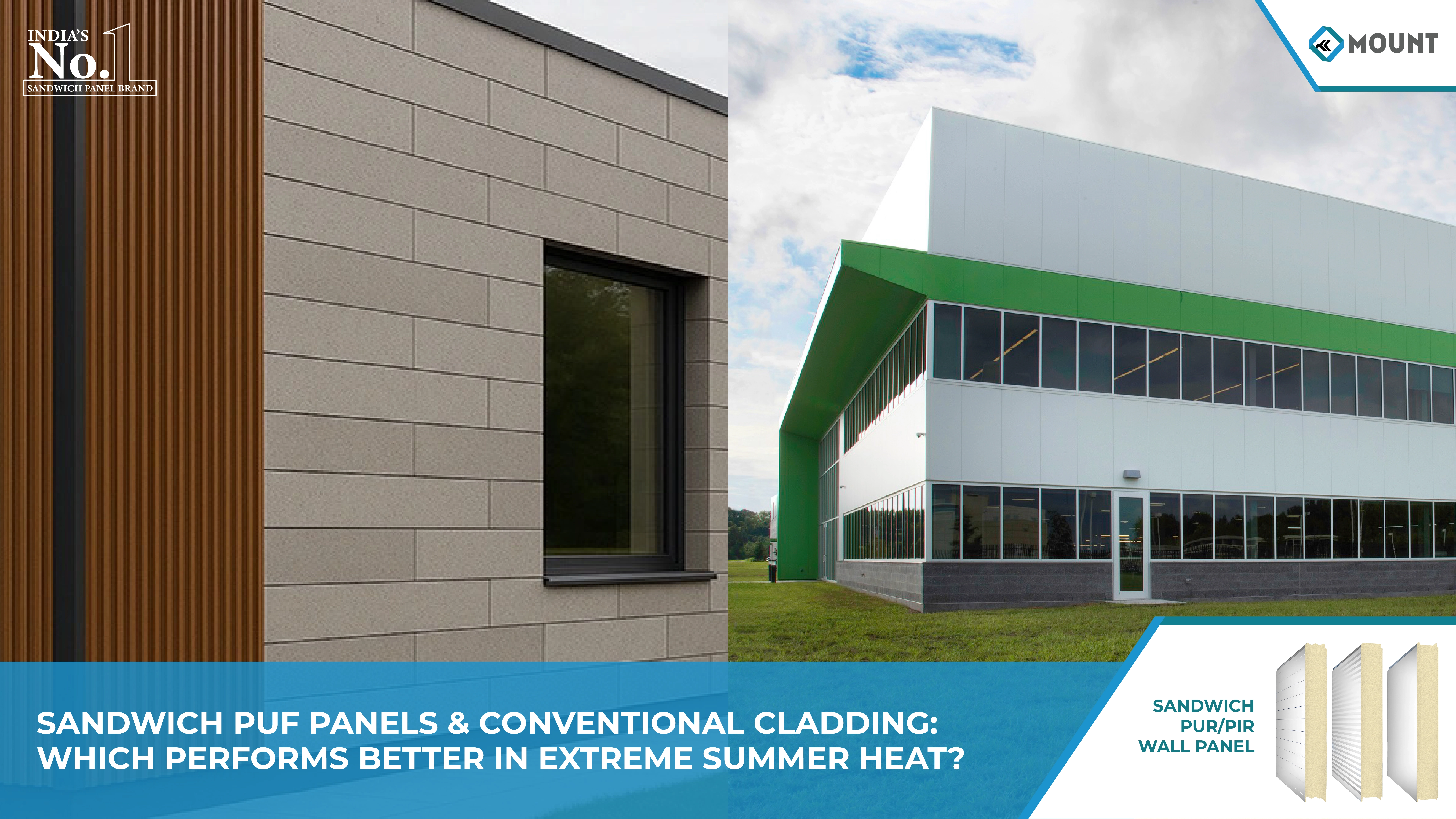
Retail buildings require façade uniformity along with energy stability for tenant comfort. Insulated wall systems provide clean architectural lines while contributing to reduced internal temperature fluctuation.
For multi-occupancy commercial spaces, this improves HVAC efficiency and enhances lifecycle cost control.
10. Integrated Wall and Roofing Systems
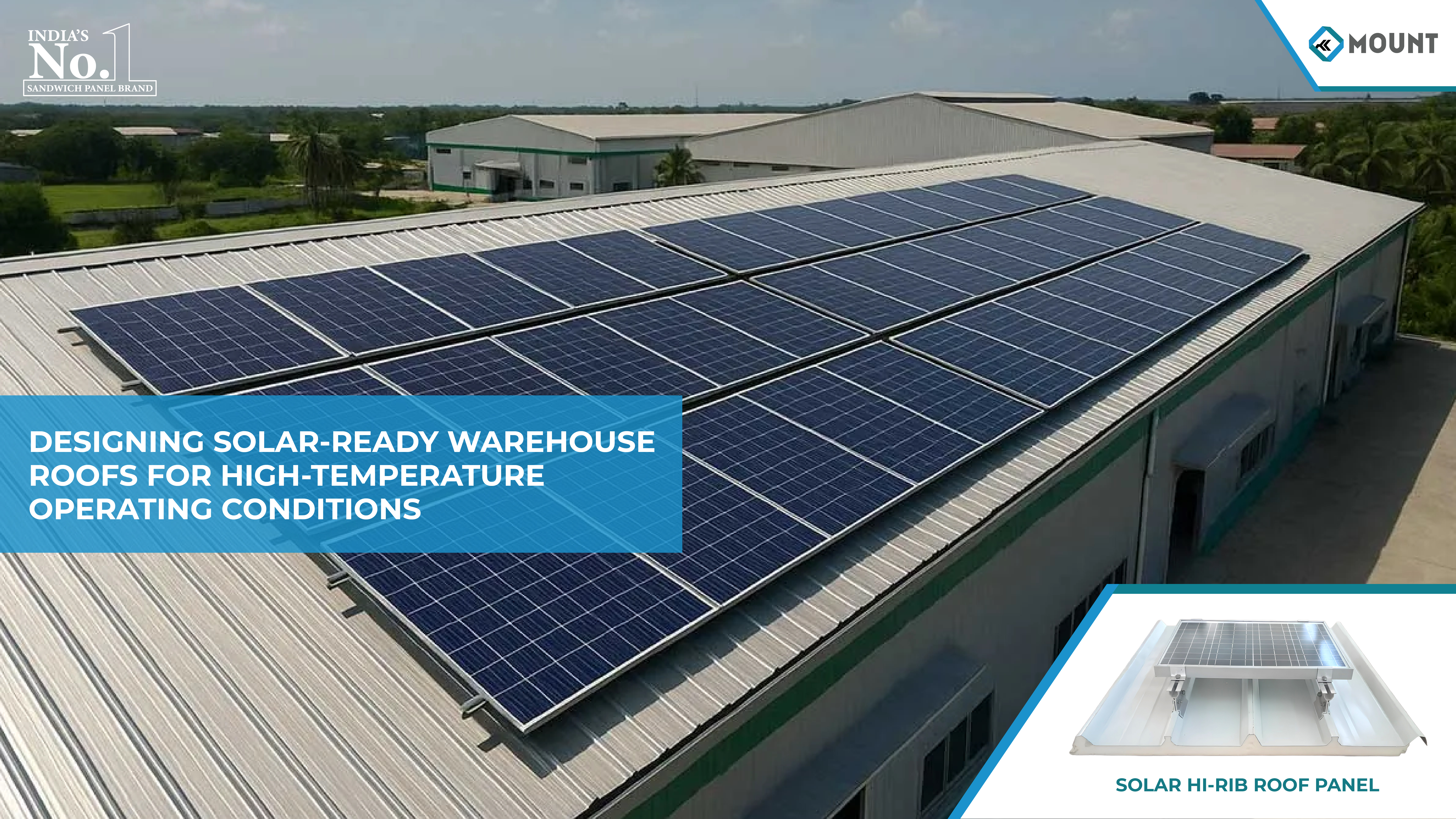
Wall performance is closely linked to roof design. As a Puf Sandwich Roofing Panel Supplier In India, Mount integrates vertical and horizontal envelope systems to maintain insulation continuity and structural compatibility.
This integrated engineering approach minimizes interface gaps and ensures consistent envelope behavior across large industrial developments.
Why Developers and Consultants Engage Mount
Mount Roofing & Structures provides engineered envelope systems supported by controlled bonding procedures, precision manufacturing, and the capacity to carry out large-scale projects.
Instead of selling catalog items, the company works with project managers and structural consultants to match panel configurations to operational goals, occupancy type, and environmental exposure.
Early engagement with Mount guarantees that insulated wall systems are designed, not improvised, into the building envelope for projects where thermal control, durability, and installation efficiency directly impact return on investment.
Technical FAQs
Q : How do PUF sandwich wall panels improve lifecycle energy efficiency in industrial buildings?
A : Insulated wall systems reduce external heat transfer and maintain stable internal conditions, lowering reliance on mechanical cooling. Over time, this contributes to controlled operational expenditure and improved energy predictability, especially in temperature-sensitive facilities such as cold storage and data centers.
Q : Are sandwich panels structurally suitable for large-span warehouse elevations?
A : Yes. When designed in coordination with steel frameworks, insulated panels distribute wind loads effectively and maintain alignment across tall vertical spans. Proper fastening systems and profile geometry are critical to ensure structural stability.
Q : How do insulated wall systems support phased expansion projects?
A : Modular panel construction enables incremental extension of industrial facilities. Panels can be integrated with existing structural grids without extensive demolition, making them suitable for manufacturing and automotive campuses anticipating growth.
Q : Why are PUF panels suitable for environments that are hygienic?
A : Their factory-finished, smooth surfaces make cleaning easier and prevent moisture absorption. Within controlled production zones, precision interlocking joints further lower the possibility of contamination or air leakage.
Q : What sets Mount apart from other producers of sandwich panels?
A : Mount integrates precision manufacturing, engineering consultation, and on-site execution planning. Beyond just providing panels, the emphasis is on providing coordinated envelope solutions that are in line with each project’s operational, environmental, and structural requirements.
Similar Events