 Dec 19, 2025
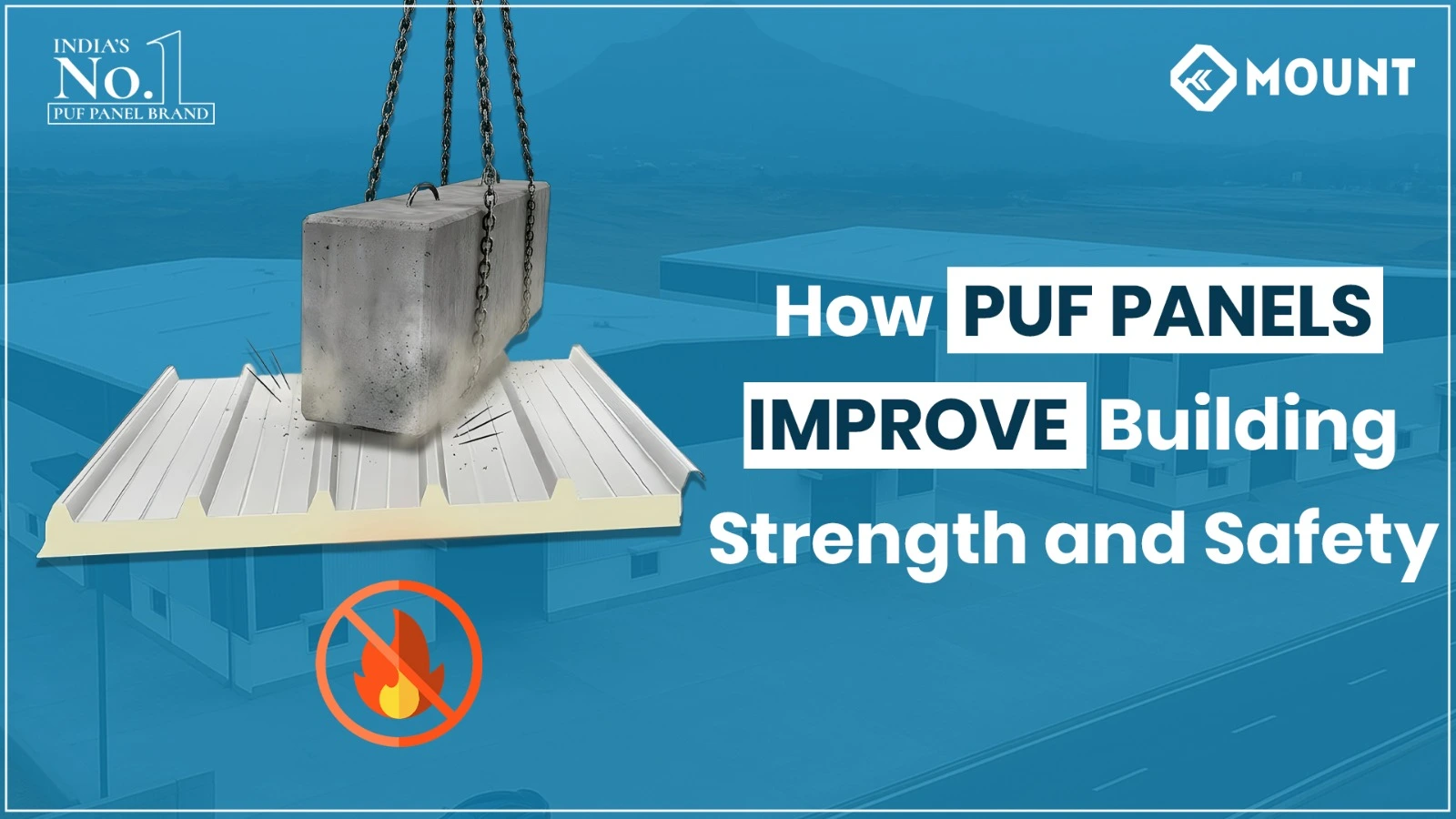
How PUF Panels Improve Building Strength and Safety
When it comes to constructing durable industrial and commercial buildings, the choice of materials can make all the difference. PUF panels have emerged as a game-changing solution for builders and architects seeking to enhance structural integrity while maintaining cost-effectiveness. These innovative building components combine strength, safety, and energy efficiency in ways traditional materials simply cannot match. At Mount, we understand that modern construction demands materials that deliver on multiple fronts – whether that’s withstanding harsh weather conditions, meeting fire safety codes, or reducing overall operational costs. This technology represents a significant advancement in building performance, offering solutions that protect both your investment and the people who occupy the space.
Understanding Composite Building Materials and Their Structural Benefits
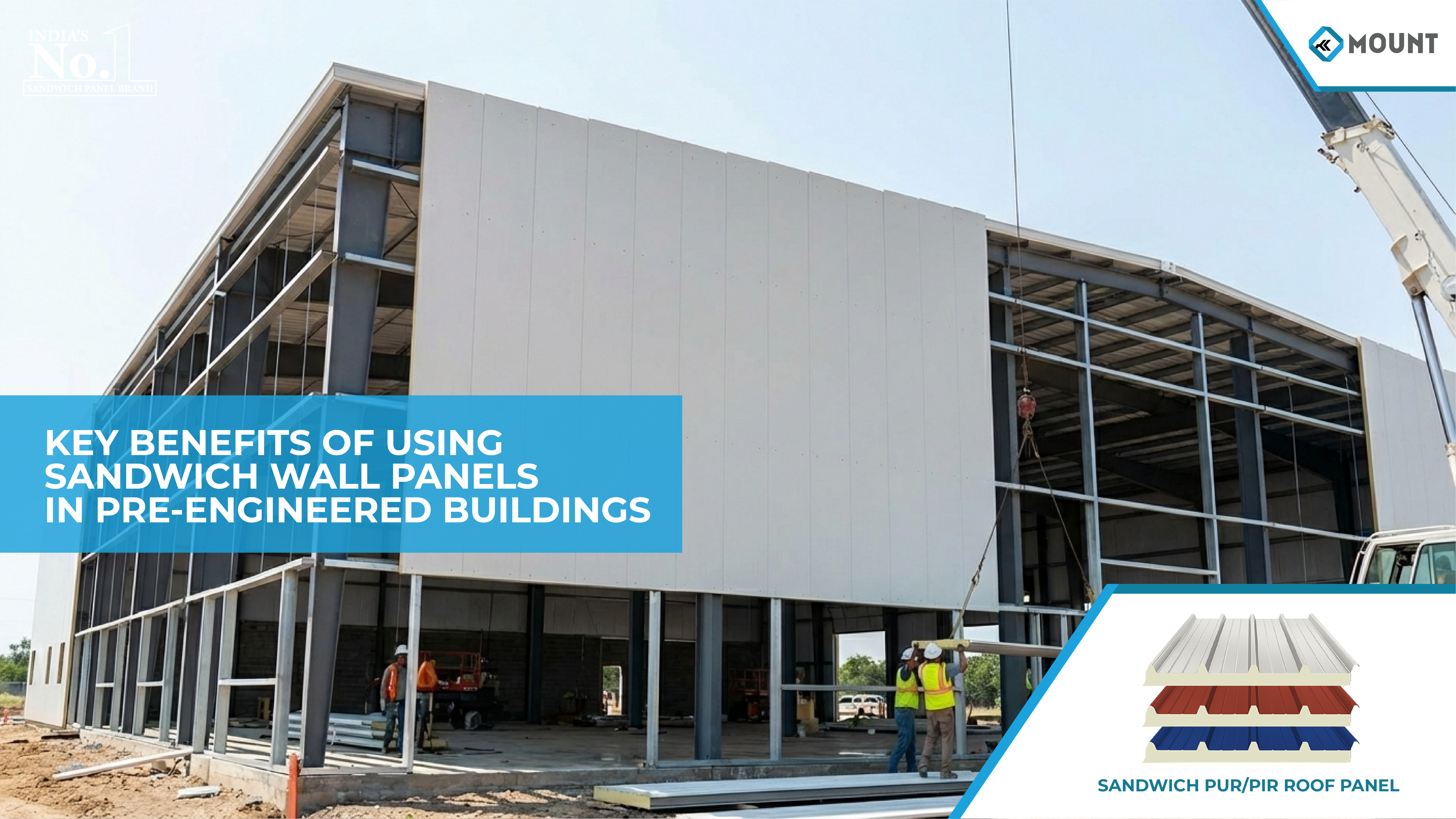
These composite materials consist of polyurethane foam cores sandwiched between two rigid outer layers, typically made of steel or aluminium. This construction creates an exceptionally lightweight yet remarkably rigid system that provides superior structural performance compared to conventional materials. The foam core acts as both an insulator and a structural element, distributing loads evenly across the surface. Wall PUF panels specifically have revolutionised how commercial spaces handle external pressures and environmental stresses. The combination of materials creates a product that resists deformation under stress, maintaining building integrity even when exposed to extreme conditions. Mount has observed that builders who integrate these solutions experience significantly reduced installation time and labour costs, while achieving superior structural outcomes that last for decades.
Fire Resistance and Safety Compliance
One of the most critical advantages of these building solutions is their exceptional fire-resistant properties. Modern building codes increasingly demand materials that can withstand high temperatures and slow the spread of flames, protecting occupants and valuable assets. PUF panel manufacturer standards ensure that these products meet international fire safety regulations, with many options achieving the highest fire-rating classifications. The polyurethane foam core is specially formulated to resist ignition and limit flame propagation, while the outer layers provide additional protection. For industrial facilities storing flammable materials or commercial buildings housing large numbers of people, this fire resistance becomes invaluable insurance against catastrophic losses. Sandwich PUF panels manufactured to these specifications offer peace of mind that your building meets contemporary safety requirements while protecting your workforce and operations.
Wind Load Capacity and Weather Resistance
Industrial and commercial buildings face constant pressure from wind, rain, and temperature fluctuations. Wall sandwich panels are engineered to withstand significant wind loads without compromising structural integrity or developing leaks. The rigid foam core provides exceptional strength-to-weight ratios, meaning the materials can resist powerful forces while remaining light enough to reduce foundational stress on the building itself. This is particularly valuable in regions prone to hurricanes, tornadoes, or sustained high winds. Additionally, PUF panel thickness options allow builders to customise resistance levels based on specific environmental conditions and local building codes. The sealed construction of these systems prevents water infiltration, eliminating the moisture problems that plague traditional roofing and wall systems. Mount recognises that choosing appropriate specifications directly impacts long-term building performance and maintenance requirements.
Energy Efficiency and Operational Savings
Beyond structural advantages, these building components deliver substantial energy savings through superior insulation properties. The polyurethane foam core provides consistent thermal resistance, reducing heating and cooling demands throughout the year. This translates directly into lower utility bills and reduced environmental impact for facility operators. PUF panel pricing should be viewed in the context of the long-term operational savings it delivers. The upfront investment quickly pays for itself through reduced energy consumption. Agricultural buildings, warehouse facilities, and manufacturing plants particularly benefit from this efficiency advantage. The insulation properties remain stable across decades of use, ensuring long-term performance without degradation. Additionally, these materials reduce soundproofing challenges, creating quieter work environments that improve productivity and worker satisfaction.
Durability and Low Maintenance Requirements
The construction of modern composite solutions creates a system that resists corrosion, moisture damage, and physical deterioration far better than conventional materials. The outer protective layers shield the foam core from environmental damage, while the sealed design prevents internal degradation. Unlike metal roofs that rust or wooden structures that rot, these installations maintain their structural properties indefinitely when properly maintained. This durability dramatically reduces maintenance costs and extends the building’s operational lifespan. For industrial facilities where downtime equals lost revenue, the reliability of these systems represents significant financial protection. Mount’s commitment to quality ensures that your investment delivers lasting value and consistent performance, protecting both workers and stored goods.
Frequently Asked Questions
Q: What factors should I consider when evaluating sandwich panels?
A: Consider total cost of ownership, including installation, energy savings, maintenance, and longevity. Quality materials from reputable suppliers provide better value despite potentially higher initial costs than alternatives.
Q: How do I determine the right thickness specifications for my building?
A: Thickness depends on climate conditions, wind load requirements, insulation needs, and local building codes. Consult with Mount’s engineering experts to determine the most suitable thickness for your building requirements.
Q: What makes a reliable manufacturer trustworthy and credible?
A: Look for certifications, quality control standards, warranty offerings, fire-rating certifications, and customer references from completed projects in your region.
Q: Can these composite materials be used for both roof and wall applications?
A: Yes, these versatile solutions work for roofing and wall systems, though specifications may vary based on application requirements and environmental conditions.
Similar Events