 Jan 8, 2026
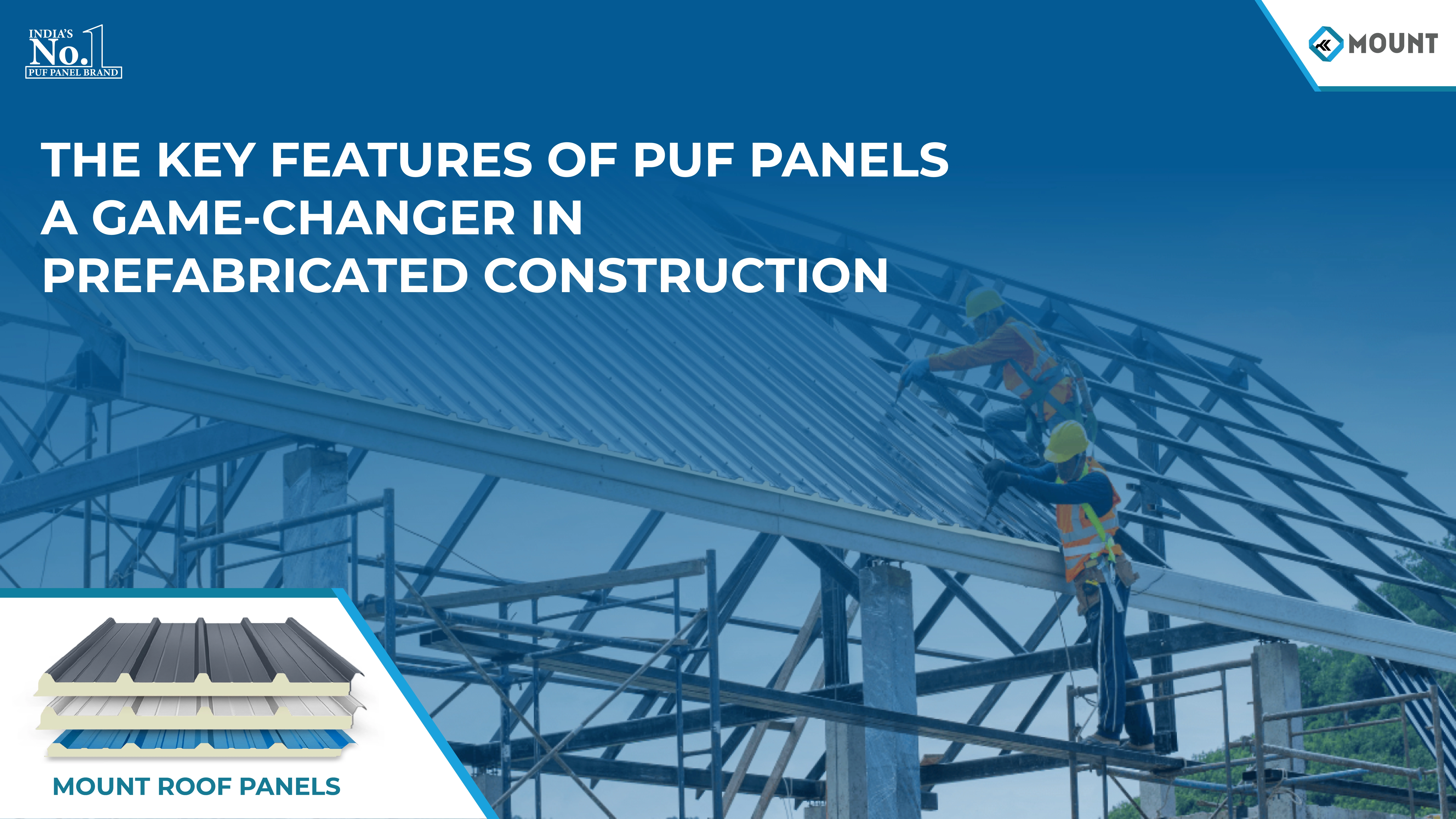
The Key Features of PUF Panels: A Game-Changer in Prefabricated Construction
Modern construction demands materials that combine efficiency, durability, and cost-effectiveness. PUF Panels have emerged as a revolutionary solution in the prefabricated building industry, transforming how architects and builders approach industrial and commercial projects. These innovative panels integrate polyurethane foam cores with metal facings, creating a lightweight yet robust building material. From warehouses to cold storage facilities, the adoption of these panels has skyrocketed due to their exceptional thermal performance and rapid installation capabilities. Mount specialises in delivering superior quality solutions that meet the evolving needs of modern construction, ensuring projects are completed on time and within budget while maintaining the highest standards of performance.
Superior Thermal Insulation Performance
One of the most compelling advantages of PUF Roofing systems is their outstanding insulation properties. The polyurethane foam core possesses an extremely low thermal conductivity coefficient, typically ranging between 0.022 to 0.028 W/mK. This exceptional insulation capability significantly reduces heat transfer, maintaining consistent internal temperatures regardless of external weather conditions. Industries operating cold storage facilities, pharmaceutical manufacturing units, or food processing plants benefit tremendously from this feature. Energy consumption for heating and cooling can be reduced by up to 40% compared to traditional construction methods. The closed-cell structure of the foam prevents moisture infiltration, ensuring long-term insulation effectiveness without degradation over time.
Lightweight Yet Structurally Strong
Sandwich Panels constructed with polyurethane foam core offer an impressive strength-to-weight ratio that traditional building materials struggle to match. A standard panel can support substantial loads while reducing the overall structural burden on foundations and support systems. This lightweight characteristic translates into lower transportation costs, easier handling during installation, and reduced labour requirements. The composite action between the metal facings and foam core creates exceptional structural rigidity, enabling wider spans without intermediate supports. Mount ensures that every panel manufactured meets stringent quality standards, providing builders with reliable materials that enhance structural integrity while minimising construction complexities.
Rapid Installation and Construction Efficiency
Pre-Engineered Building components featuring polyurethane-insulated panels dramatically accelerate project timelines. Installation speed increases by 50-70% compared to conventional construction methods because panels arrive at the site pre-cut and ready to install. The interlocking joint systems eliminate the need for additional insulation layers, waterproofing membranes, or extensive finishing work. A typical 1,00,000 square foot warehouse roof can be completed in just days with a small installation crew. This rapid deployment reduces labour costs, site supervision expenses, and project financing charges. Weather delays become less problematic since the installation process is less dependent on ideal conditions, allowing construction to proceed even during challenging seasons.
Fire Resistance and Safety Standards
Modern Sandwich PUF Panels incorporate fire-retardant additives that significantly enhance their safety profile. These panels achieve fire ratings ranging from Class 1 to Class 0, depending on the specific formulation and facing materials used. The metal skins provide an additional barrier against flame spread, while the modified polyurethane core resists ignition and self-extinguishes when the flame source is removed. In industrial environments where fire safety is paramount, these panels offer peace of mind without compromising other performance characteristics. Mount prioritizes safety in every product, ensuring compliance with international fire safety regulations and providing documentation that satisfies building code requirements across different jurisdictions.
Moisture and Corrosion Protection
The closed-cell structure of polyurethane foam provides inherent resistance to water absorption, maintaining less than 2% moisture uptake even under prolonged exposure. This characteristic prevents common problems like mould growth, structural degradation, and insulation performance loss that plague traditional materials. The metal facings receive protective coatings that resist corrosion, extending the service life of PUF Panels Manufacturer products beyond 25-30 years with minimal maintenance. Coastal regions, high-humidity environments, and facilities handling wet processes particularly benefit from this durability. Regular inspections and basic cleaning are typically sufficient to maintain optimal performance throughout the panel’s lifespan.
Versatility in Applications and Customisation
PUF Panel Thickness options ranging from 20mm to 200mm allow designers to optimise thermal performance for specific climate zones and operational requirements. Panels adapt seamlessly to various applications, including wall cladding, roofing systems, ceiling installations, and partition walls. Colour options, surface finishes, and facing materials can be customised to match architectural visions while maintaining functional excellence. Whether constructing an industrial shed, a pharmaceutical cleanroom, or a commercial showroom, these panels deliver consistent performance. Mount offers comprehensive customisation services, working closely with architects and contractors to develop solutions that address unique project challenges while maintaining cost efficiency.
Sustainable Construction and Energy Efficiency
Top Peb Structure Manufacturer companies recognise that sustainability has become a critical consideration in modern construction. Polyurethane insulated panels contribute to green building certifications through their energy-saving properties and recyclable components. The reduced energy consumption for climate control directly lowers carbon footprints and operational costs over the building’s lifetime. Manufacturing processes have evolved to use more environmentally responsible blowing agents, further reducing environmental impact. The extended service life of these panels means fewer replacement cycles, reducing construction waste and resource consumption. Mount commits to sustainable practices throughout the production chain, ensuring that environmental responsibility aligns with exceptional product performance and customer satisfaction.
Frequently Asked Questions
Q: What is the typical lifespan of polyurethane-insulated panels in industrial applications?
A: With proper installation and minimal maintenance, quality panels typically last 25-30 years or longer. The metal facings resist corrosion while the foam core maintains insulation properties without significant degradation, making them a long-term investment.
Q: How do these panels perform in extreme temperature environments?
A: The closed-cell polyurethane foam maintains excellent insulation properties across a wide temperature range, from -40°C to +80°C. This makes them suitable for both cold storage facilities and high-temperature industrial processes without performance compromise.
Q: Can existing buildings be retrofitted with these panel systems?
A: Yes, retrofit applications are common and often more cost-effective than complete reconstruction. The lightweight nature allows installation over existing structures without requiring significant structural reinforcement, reducing renovation costs and disruption.
Q: What factors influence the pricing of these construction materials?
A: Several elements affect cost including thickness specifications, facing material quality, fire rating requirements, panel dimensions, order quantity, and delivery location. Custom colors or special coatings may also impact the final price per square meter.
Similar Events