 Jul 17, 2026
Why Do Chemical Plant Roofs Corrode So Quickly? Mount UPVC Roofing Has the Answer
Speak to maintenance teams in chemical plants, and you’ll hear a familiar complaint. The roof looked perfectly fine during the first few years. Then small signs started appearing.
Discolouration around fasteners. Rust formation near joints. Surface deterioration in areas exposed to process emissions. Eventually, repair work became a regular part of the maintenance schedule.
What’s frustrating is that many of these roofs were not particularly old. The issue wasn’t necessarily poor installation; the issue was the environment. Chemical processing facilities operate under conditions that most conventional roofing systems were never designed to face continuously. The combination of chemical vapours, corrosive fumes, humidity, temperature fluctuations, and outdoor exposure creates a challenging environment for any roofing material.
Some roofing systems cope with it better than others.
The Corrosion Problem Usually Starts in the Air
When people think about corrosion, they often picture chemicals being directly spilled onto a roof surface.
In reality, the damage often begins long before that. Many manufacturing processes release airborne contaminants that gradually settle across roofing systems. Acidic vapors, alkali-rich emissions, process fumes, and industrial pollutants can interact with the moisture present in the atmosphere.
The result is a corrosive environment that exists every day, even when the weather appears normal. Over time, these conditions begin attacking exposed metal surfaces. The process can be slow initially, but it accelerates.
Facilities located near coastal regions face an even more aggressive combination of salt-laden air and industrial emissions.
Why Traditional Metal Roofing Struggles in Chemical Facilities
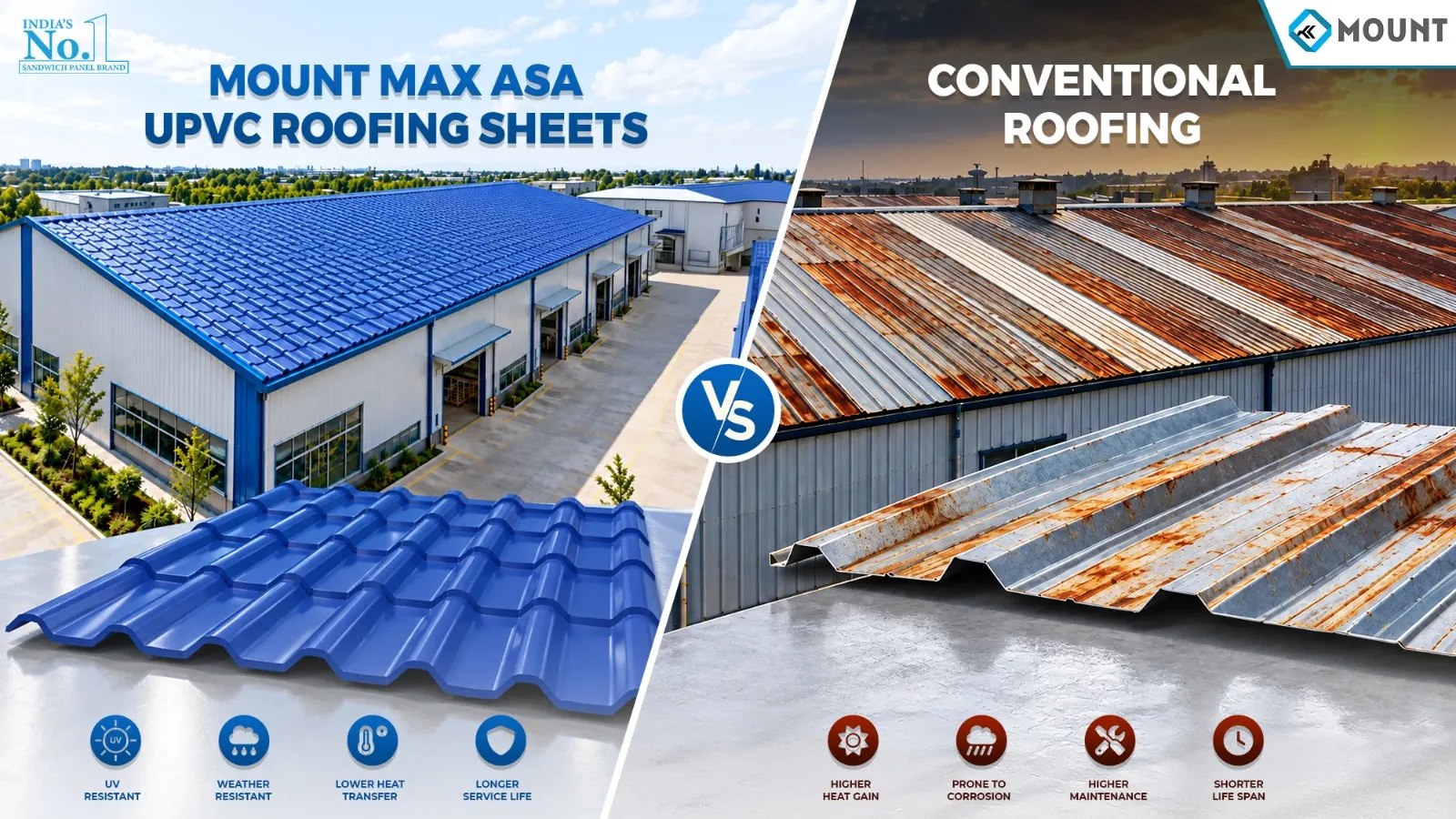
Metal roofing remains a practical solution in many industrial applications. Chemical plants are a different discussion. The challenge isn’t structural capability. The challenge is chemical exposure. Protective coatings can help delay deterioration, but once those coatings become compromised, the underlying metal becomes vulnerable. Corrosion rarely remains isolated to one location. It often spreads gradually through exposed sections, joints, cut edges, and fastening points.
The financial impact extends beyond roof repairs. Unexpected maintenance shutdowns, safety concerns, operational interruptions, and replacement costs can all become part of the equation. For plant operators focused on long-term asset performance, the roofing material itself becomes a strategic decision rather than a procurement exercise.
Small Corrosion Problems Rarely Stay Small
One of the reasons roof corrosion becomes expensive is that it develops gradually.
The first signs are easy to overlook.
A patch of surface deterioration here.
A leak during the monsoon season there.
A maintenance repair that seems relatively minor.
The challenge is that roofing systems function as a complete assembly. Once deterioration begins affecting critical areas, secondary problems often follow.
Water ingress can affect insulation systems. Moisture can create issues around structural elements. Repeated repair work increases maintenance expenditure year after year. Many facility owners discover that the real cost of corrosion is not the roof itself. It’s everything that happens because the roof starts failing.
Chemical Resistance Has Become a Design Requirement
The industrial roofing conversation has changed significantly over the last decade. Previously, many facilities selected roofing systems based primarily on weather protection and structural requirements.
Today, chemical compatibility receives far greater attention. Plant owners are asking more specific questions. How will the roofing system perform around acidic emissions?
What happens in facilities handling alkalis? Will the material remain stable when exposed to industrial pollutants over long periods?
These questions have driven growing adoption of heat resistant uPVC roofing sheets across chemical processing facilities where corrosion resistance plays a critical role in long-term performance.
The focus has shifted from short-term installation costs to long-term operational reliability.
Why UPVC Roofing Is Gaining Ground in Chemical Industries
One reason UPVC roofing continues gaining acceptance is that it approaches the corrosion problem differently.
Unlike conventional metal roofing systems, UPVC does not rely on metallic surfaces that can oxidize when exposed to corrosive environments.
That distinction becomes particularly important in facilities where airborne chemical exposure is a daily operating reality.
As a result, many project consultants now evaluate roofing systems from an environmental compatibility perspective before finalizing specifications.
Working with an experienced uPVC roofing manufacturer allows facility owners to select roofing systems specifically suited to chemically aggressive operating environments rather than adapting solutions designed for less demanding applications.
The Benefits Extend Beyond Corrosion Resistance
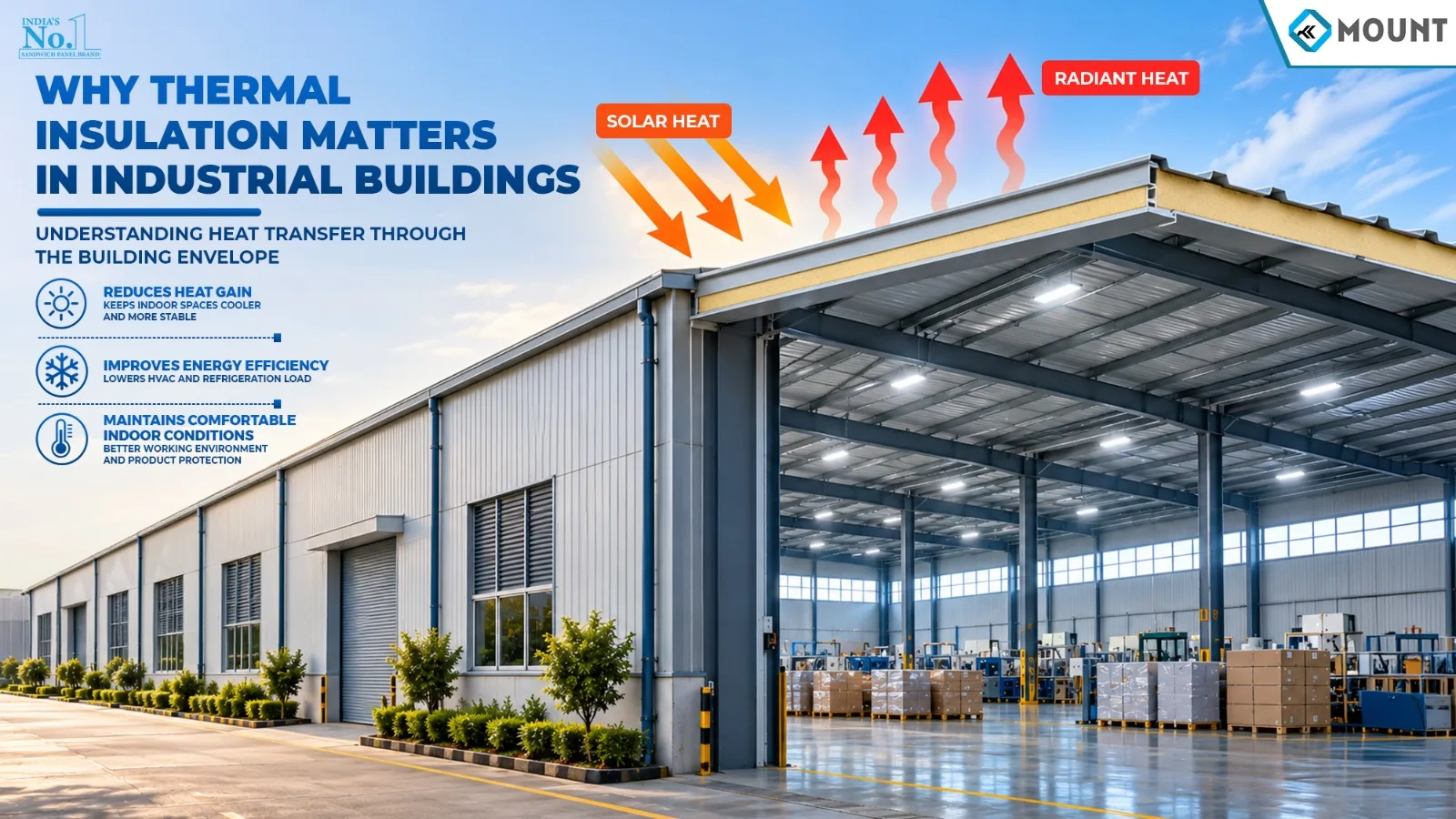
Corrosion protection is often the primary reason facilities consider UPVC roofing.It rarely remains the only reason.Many chemical plants also face heat management challenges. Roof surfaces are continuously exposed to solar radiation, which influences indoor working conditions and thermal loads within the facility.
This has increased interest in cooling roof sheets and heat reduction roofing sheets capable of supporting more comfortable operating environments while helping reduce heat gain through the roof envelope.
Noise management can also become important in certain industrial facilities. During heavy rainfall, roofing materials influence the acoustic conditions experienced within production spaces. This explains why some facility operators also evaluate soundproof roofing sheets when assessing long-term roofing performance.
Reliability Matters More Than Appearance
In many industrial facilities, roofing systems are rarely noticed when they’re working properly.That’s exactly the point.Plant managers don’t want roofs that require constant attention. They want roofing systems that continue performing year after year with minimal intervention.
The growing demand for weatherproof roof panels reflects this mindset. Industrial operators are prioritizing durability, maintenance predictability, and lifecycle performance over cosmetic considerations.For chemical plants, reliability often becomes the most valuable feature a roofing system can offer.
Why Chemical Facilities Are Choosing Mount UPVC Roofing
Every industrial environment presents different challenges.Chemical processing facilities happen to be among the most demanding.
Mount Roofing & Structures has developed roofing solutions specifically for industries where conventional materials face continuous exposure to corrosive conditions. As an established uPVC sheets manufacturer, Mount combines manufacturing expertise with a deep understanding of industrial operating environments.
Its UPVC roofing systems are engineered to resist chemical attack from acids, alkalis, industrial pollutants, and moisture-laden conditions while delivering long service life and reduced maintenance requirements.
For facility owners evaluating the best uPVC roofing sheets for chemical plants, the objective is straightforward: invest in a roofing system that performs reliably under the conditions the facility faces every day.
Because in chemical processing environments, the roof isn’t simply protecting the building.It’s protecting the continuity of operations beneath it.
FAQs
1. Why do chemical plant roofs corrode faster than standard industrial roofs?
Chemical plants often generate corrosive fumes, acidic vapors, alkali emissions, moisture, and industrial pollutants that accelerate the deterioration of conventional roofing materials.
2. How does UPVC roofing resist corrosion?
UPVC roofing does not rely on exposed metallic surfaces that are vulnerable to oxidation, making it suitable for chemically aggressive environments.
3. Can UPVC roofing be used in facilities handling acids and alkalis?
Yes. UPVC roofing is widely selected for industrial applications where resistance to corrosive chemicals is an important requirement.
4. Does UPVC roofing help reduce heat inside industrial buildings?
Many UPVC roofing systems are designed to limit heat absorption, contributing to improved thermal comfort and reduced heat gain through the roof.
5. What should chemical plant operators consider when selecting a roofing system?
Factors such as chemical resistance, weather durability, thermal performance, maintenance requirements, service life, and manufacturer expertise should all be evaluated during specification.
Similar Events
 23 October, 2026