 Jul 20, 2026
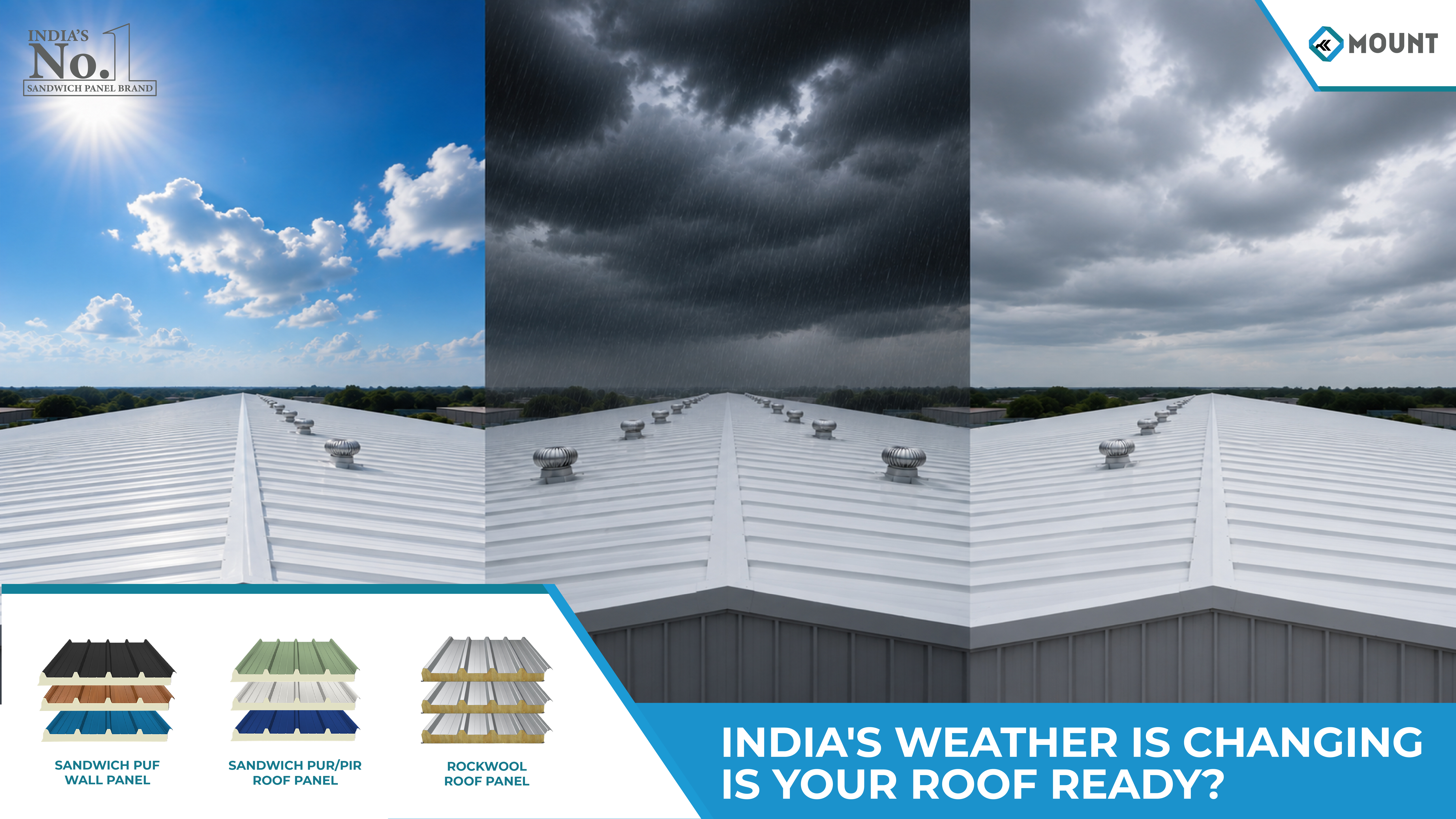
India’s Weather Is Changing. Is Your Roof Ready?
There was a time when designing an industrial roof was relatively straightforward. Engineers would look at rainfall patterns, local temperatures, and structural requirements before finalizing a roofing system. Those assumptions often remained valid for decades. That approach is becoming harder to rely on.
Across India, businesses are dealing with weather conditions that appear increasingly unpredictable. Heat waves are lasting longer. Rainfall events are becoming more intense. Cyclonic activity is affecting larger regions. UV exposure continues to place constant stress on building envelopes throughout the year.
For facility owners, this raises an important question.Will the roof installed today still perform as expected ten or fifteen years from now?Increasingly, that answer depends on selecting roofing systems based on operating conditions rather than treating every project the same.
A Roof Is No Longer Just a Protective Cover
When weather patterns become more aggressive, the roof starts influencing much more than weather protection. It affects indoor temperatures, influences energy consumption & plays a role in maintenance planning.
In some industries, it can even impact product quality and operational continuity. A warehouse operating in central India faces different environmental pressures than a coastal manufacturing facility. A pharmaceutical plant has different requirements than a logistics hub. A food processing unit experiences challenges that may not exist in a commercial building.
This is why roofing decisions are becoming increasingly application-specific. The focus is shifting from simply covering a structure to managing long-term building performance.
Heat Gain Is Becoming a Major Operational Concern
Summer temperatures across many regions of India regularly place significant stress on industrial facilities.
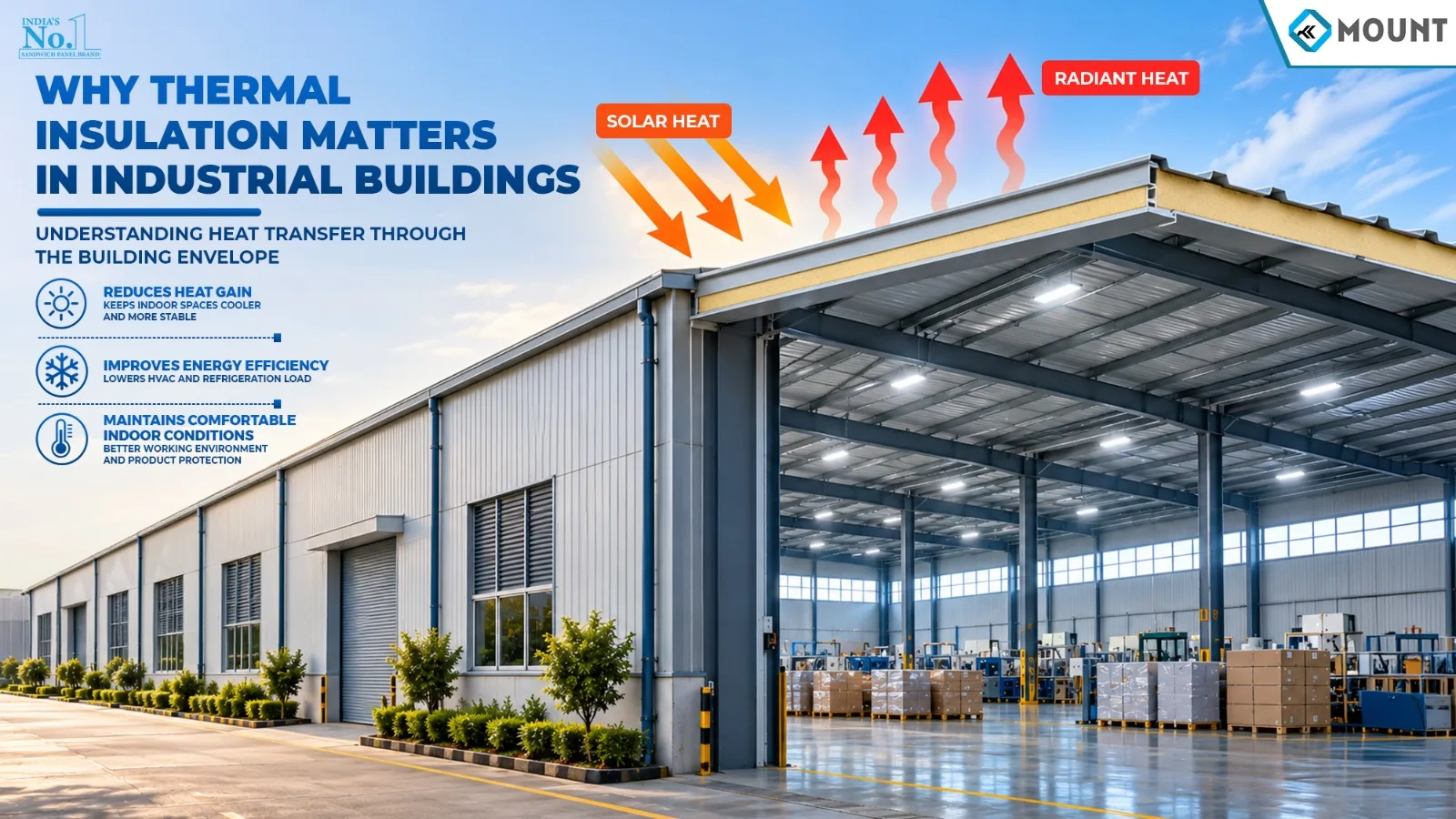
The impact extends beyond employee comfort. Excessive heat entering through the roof increases cooling loads, affects indoor working conditions, and can influence operating efficiency in temperature-sensitive environments.
Many developers are therefore placing greater emphasis on insulated roofing systems during the planning stage.
Products such as Polyurethane Panels are commonly specified in facilities where thermal control is an important operational requirement. Their insulated core helps limit heat transfer through the building envelope, allowing internal environments to remain more stable despite challenging external conditions.
The objective is not simply to reduce temperature. It’s reducing the burden placed on mechanical cooling systems over the life of the facility.
Rainfall Patterns Are Testing Building Envelopes
Rain itself is not the problem. The intensity of rainfall events often is. Many industrial facilities are experiencing periods where large volumes of water fall within relatively short durations. Under these conditions, roof detailing, drainage design, and material performance become critically important.
Water ingress can affect equipment, inventory, production areas, insulation systems, and operational continuity. This is one reason roofing systems designed for moisture protection are receiving greater attention across industrial and infrastructure projects.
Proper design becomes just as important as material selection. Even the most capable roofing system must be integrated correctly to perform effectively during severe weather events.
Different Industries Face Different Risks
A chemical processing facility may be more concerned about corrosion.
A cold storage operator may prioritize thermal performance.
A logistics warehouse may focus on long-term maintenance efficiency.
The reality is that no single roofing solution addresses every challenge equally.
This is why developers increasingly evaluate roofing systems based on facility requirements rather than attempting to apply one specification across multiple project types.
The roofing industry has evolved considerably because building performance expectations have evolved as well.
Where PUF Roof Systems Fit Into Modern Facilities
Temperature-sensitive industries continue to place significant importance on insulation performance.
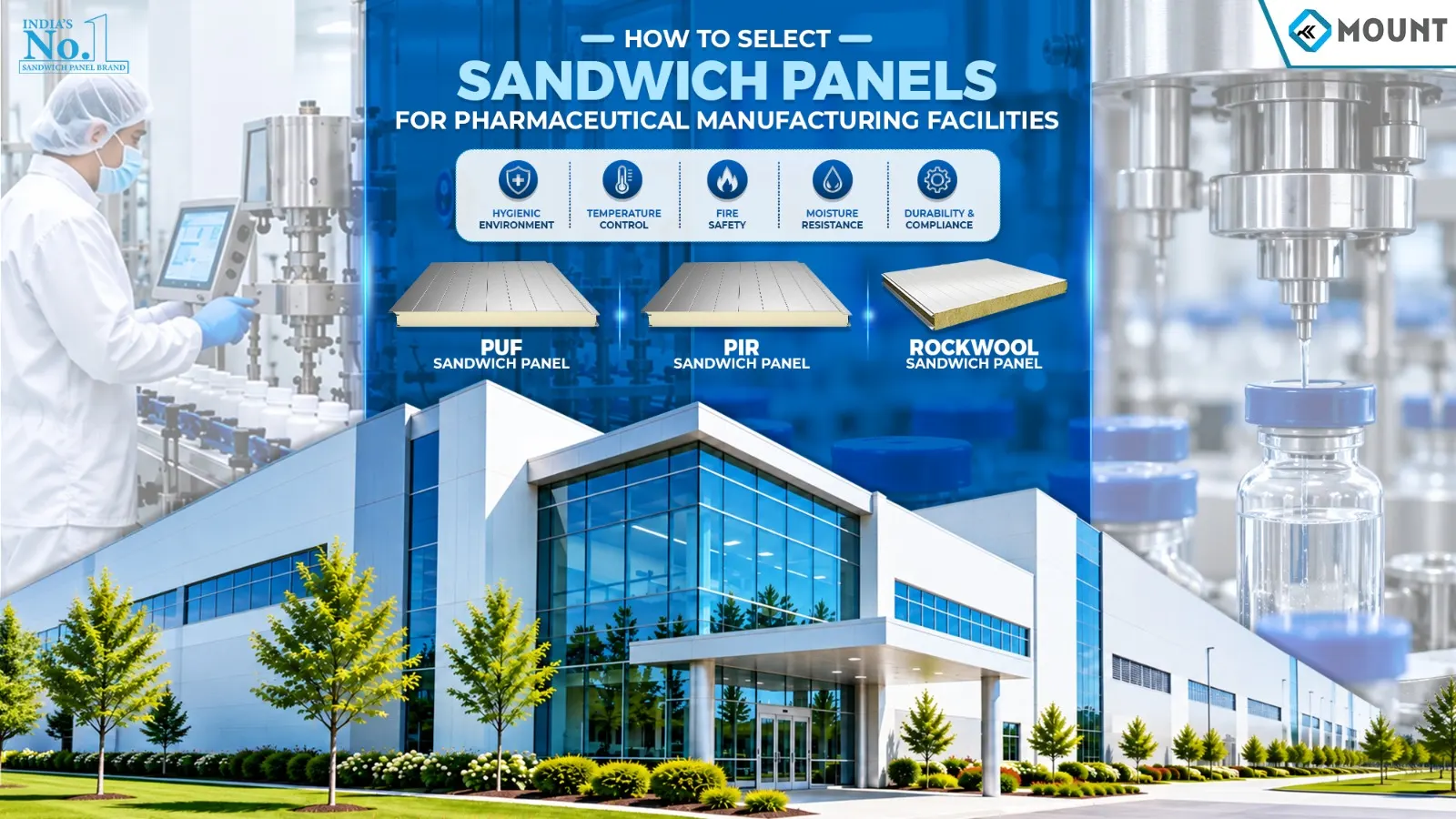
Facilities involved in food processing, pharmaceuticals, cold chain logistics, and industrial manufacturing frequently use Polyurethane Insulated Panels because they provide an effective insulated building envelope while supporting operational efficiency objectives.
As energy costs continue to influence business decisions, insulated roof systems are becoming an important part of long-term facility planning rather than an optional upgrade.
The focus is increasingly shifting toward lifecycle performance rather than construction-stage considerations alone.
Fire Performance Is Part of the Conversation Too
While weather resilience remains a priority, many industries also evaluate roofing systems based on fire-related requirements.
This has increased the adoption of PIR Sandwich Panels and PIR Thermal Insulation Panels across projects where thermal efficiency and fire performance are both important considerations.
The decision is rarely based on a single factor.
Project consultants, architects, and developers are looking at how roofing systems contribute to broader operational and safety objectives throughout the facility lifecycle.
As building codes evolve and infrastructure projects become more sophisticated, these considerations are becoming increasingly integrated into specification decisions.
Why Rockwool Solutions Continue to Find Their Place
Certain environments require a different approach altogether.
Facilities prioritizing enhanced fire resistance, acoustic performance, and insulation characteristics often evaluate Rockwool insulated sandwich panels as part of their roofing strategy.
Applications vary widely, from industrial buildings and manufacturing facilities to specialized infrastructure projects.
The key point is that roofing requirements differ significantly from one industry to another. Material selection becomes most effective when it aligns with the operational realities of the facility rather than following a standardized approach.
Corrosion Is Another Climate Challenge Businesses Cannot Ignore
Weather affects more than temperature and rainfall.
In coastal regions and industrial environments, corrosion remains a persistent concern.
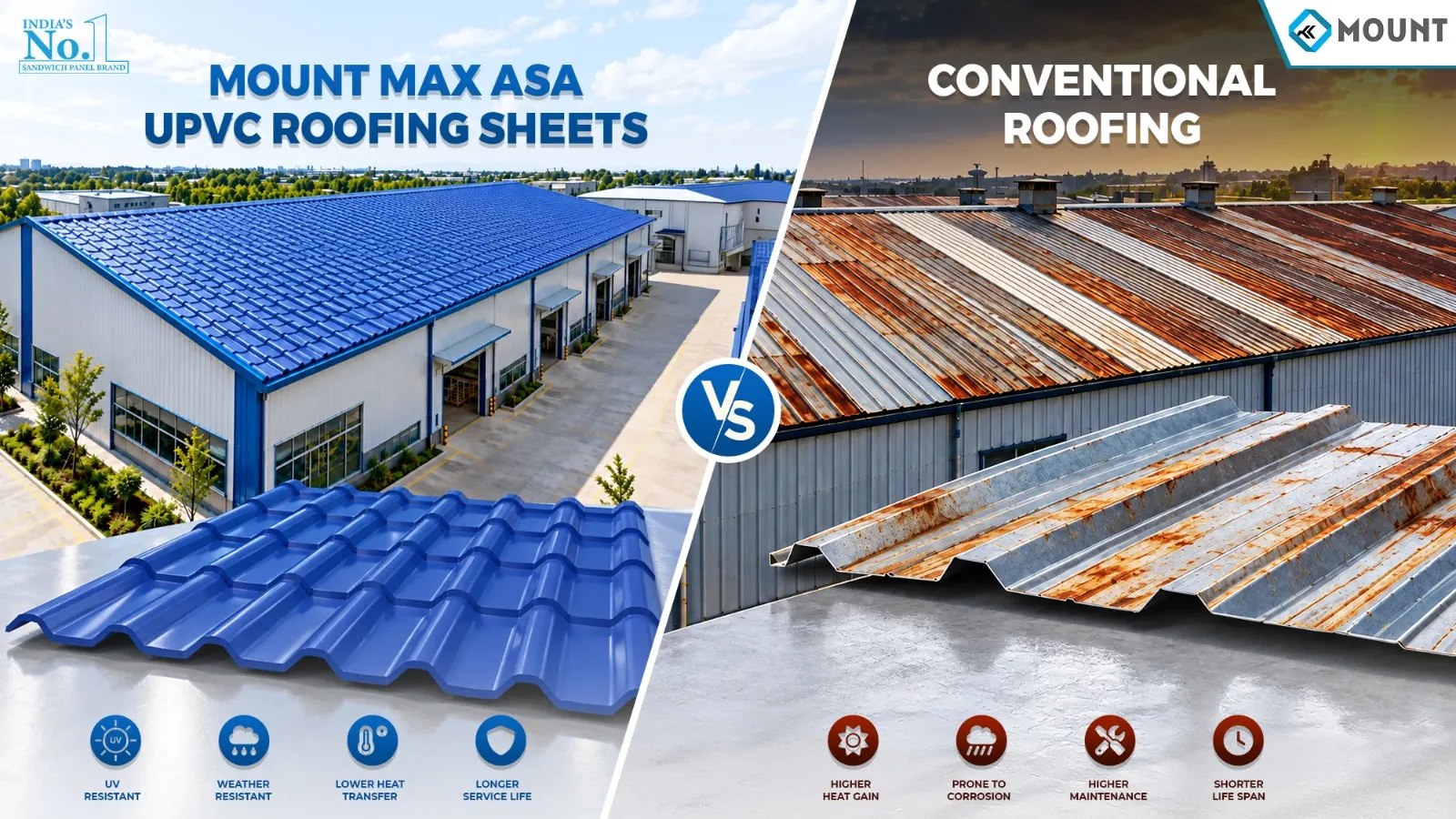
Exposure to moisture, pollutants, salt-laden air, and industrial emissions can accelerate material degradation over time. This has contributed to growing interest in uPVC roofing sheets across facilities where corrosion resistance plays a major role in long-term roofing performance.
Unlike many conventional roofing materials, UPVC roofing systems are often selected specifically for environments where chemical exposure and moisture are ongoing considerations.
The conversation is no longer simply about weather resistance.
It is about durability under actual operating conditions.
Why Roofing Selection Is Becoming More Strategic
One trend is becoming increasingly clear across industrial construction.
Roofing is no longer treated as a finishing component.
Developers are evaluating roofs in terms of energy performance, maintenance requirements, durability, environmental exposure, and operational efficiency. The selection process has become more technical because the expectations placed on buildings have become more demanding.
Even something as straightforward as uPVC roof installation now forms part of a broader discussion around long-term asset performance and lifecycle costs.
The roof is expected to do much more than it did a decade ago.
Why Businesses Partner With Mount Roofing & Structures
Every facility faces a different combination of environmental challenges.
Some require thermal insulation.
Others prioritize fire performance.
Certain industries demand corrosion resistance, while others focus on long-term operational efficiency.
Mount Roofing & Structures supports this diversity through a comprehensive portfolio of roofing solutions engineered for specific applications. From insulated sandwich roofing systems and advanced PIR solutions to rockwool-insulated assemblies and UPVC roofing products, Mount provides developers with roofing systems aligned to real-world operating conditions.
As an established Rockwool sandwich panel manufacturer and integrated roofing solutions provider, Mount helps businesses navigate changing environmental conditions with roofing systems designed for durability, reliability, and long-term performance.
Because when weather patterns continue changing, the question is no longer whether your building needs a roof.
It’s whether that roof was designed for the conditions it will actually face.
FAQs
1. Why are roofing decisions becoming more important in industrial construction?
Changing weather patterns, rising energy costs, and increased performance expectations mean roofing systems now influence operational efficiency, maintenance requirements, and building durability.
2. How do insulated roof panels help during extreme heat conditions?
Insulated roof panels reduce heat transfer through the building envelope, helping maintain more stable indoor conditions and reducing cooling loads.
3. When are PIR-insulated roofing systems commonly used?
PIR-based systems are often selected for projects where thermal insulation and fire-related performance requirements are both important considerations.
4. Why are UPVC roofing systems gaining popularity in industrial facilities?
UPVC roofing is widely used in environments where corrosion resistance, weather durability, and low maintenance requirements are important operational priorities.
5. How should businesses select the right roofing system?
The selection should be based on facility type, environmental exposure, thermal requirements, fire-related considerations, maintenance expectations, and long-term operational objectives.
Similar Events
 23 October, 2026